6 min read
I know it looks like 3YD but it’s actually BYD it stands for Build Your Dreams
6 min read

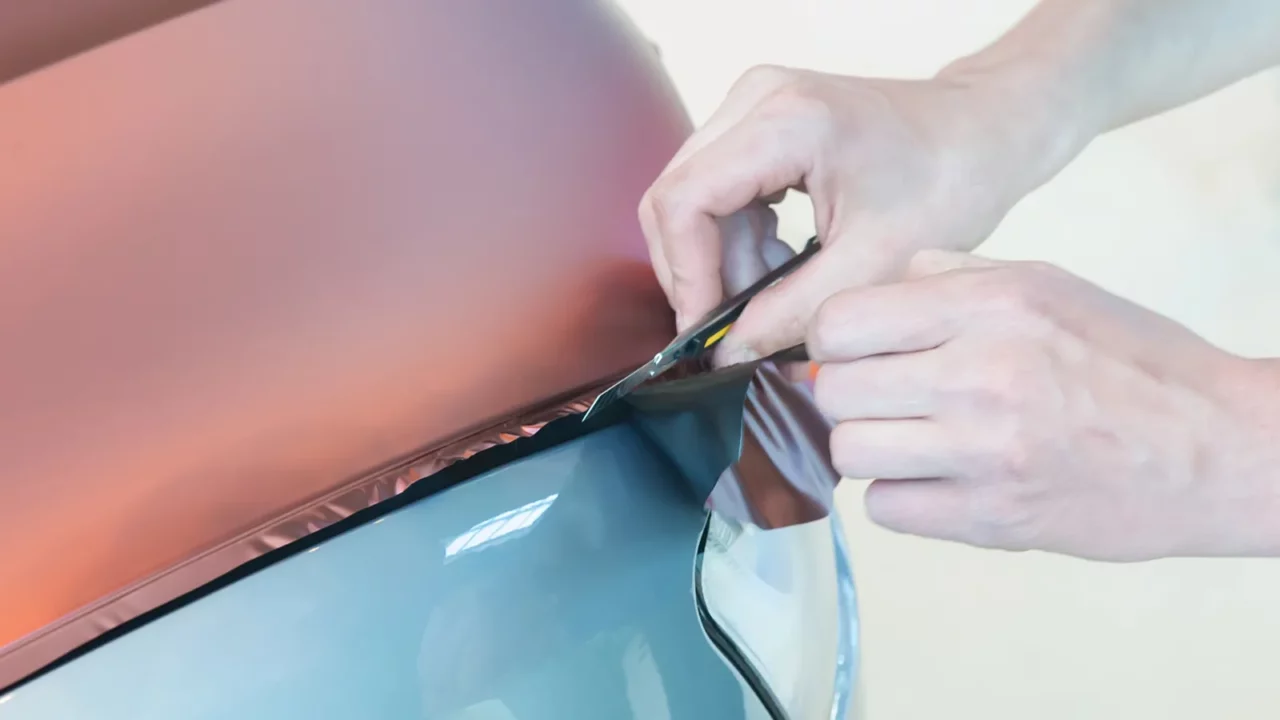
Car wraps have become a popular way to update a car’s look without committing to a new paint job, giving drivers the freedom to change styles as trends shift. Many people enjoy wraps because they can experiment with bold colors or finishes without worrying about permanent results.
Wraps add light protection from minor abrasions and UV exposure, but for rock-chip resistance, you’ll need paint-protection film (PPF). It freshens the car’s appearance while keeping the original paint underneath safe and well-preserved.

Flexibility is one of the biggest reasons drivers choose wraps, because it allows them to switch colors or finishes whenever they feel like a change. This freedom makes wraps appealing to people who enjoy customizing their vehicles without long-term commitment.
They also work well for drivers who lease cars and need modifications that won’t affect the value or violate the terms of their agreement. A wrap gives them a custom look while keeping everything easily reversible when the lease ends.

For most vehicles, a professionally installed full wrap costs approximately $3,000–$6,000, depending on size, design complexity, and film quality; chrome/specialty finishes can reach $6,000–$ 8,000 or more. Smaller cars fall on the cheaper end, while larger SUVs or trucks push the price upward.
Vehicles with complex curves or body lines require longer wrapping times, which increases labor time and raises costs. Higher-quality vinyl films add even more value because they last longer, hold color better, and resemble a true painted finish more closely.

Gloss wraps are usually the most affordable option because they’re easy to apply and don’t require extra techniques. Matte, satin, and color-shift films require more care, placing them at a moderate price point for most owners.
Chrome, brushed, and other textured vinyls cost the most because technicians need advanced skills and more application time. These premium finishes can increase the cost of a full wrap to over $8,000 due to the additional labor and specialty materials involved.

Cars with smooth, flat panels are quicker to wrap, which reduces labor time and keeps the final price lower for the owner. Small sedans and hatchbacks usually fall into this category and are easier for installers.
Vehicles with deep grooves, sharp curves, or angled bumpers demand more precision and stretching. Because these areas require slower work and extra vinyl, the overall labor cost climbs as the vehicle becomes more complex.

Some drivers choose partial wraps when they want a simple accent or contrast rather than a full transformation. Wrapping just the hood, roof, mirrors, or trunk allows them to create a unique look at a lower cost.
As a guide, hoods/roofs cost around $200–$600, side panels $500–$1,000, and mirrors approximately $100, varying with the type of film and complexity. It’s a budget-friendly way to add style while preserving most of the car’s original finish.

Most vinyl wraps last three to seven years if they are properly cared for and protected from harsh elements. The exact lifespan depends on exposure and care; expect an average lifespan of around five years, with up to seven years in favorable conditions.
Cars parked all day outdoors tend to fade and age more quickly, especially in hot climates. Vehicles stored in garages or shaded areas tend to keep their color longer and maintain their smooth finish over the years.

Wraps don’t damage factory paint when the surface underneath is smooth, clean, and in good condition. In many cases, they actually act as a barrier that prevents chips, fading, and light scratches.
Problems arise only when the paint is already peeling, weak, or poorly repaired before installation. In such cases, the vinyl may pull up damaged spots when removed, creating the impression that the wrap caused the issue.

Most removals cost between $500 and $1,000; older, baked-on films or low-quality vinyl can require more time and substantially increase the price. Older wraps require more heat and careful peeling, which increases labor time.
Cheap or low-quality vinyl sticks more firmly to the surface, making the removal process slower and more expensive. Newer premium films peel off in larger sections, which reduces service time and lowers the overall cost.

DIY wrapping looks cheaper because you only pay for the vinyl and basic tools, but beginners often underestimate the skill involved. A full car commonly needs roughly 200–260 square feet of film, depending on body style; small sedans can be near 200 sq ft, while SUVs and trucks run higher.
Misaligned panels, air bubbles, and stretched edges are common errors that require costly rework. Many people end up hiring a professional afterward, which makes the DIY route more expensive than it originally appeared.

Car wraps rarely increase a vehicle’s resale value because most buyers prefer to see the original paint before making a decision. Dealers also want to know whether the surface underneath has been well-maintained.
Even so, wraps protect the paint from UV damage, chips, and stains, helping the vehicle maintain a better overall condition. Some dealers remove wraps before resale and subtract the removal cost from the trade-in offer.

Wrapped cars benefit from handwashing because it prevents scratches, peeling edges, and vinyl tears. Automatic car washes can cause friction that damages the material or pulls it away from tight corners.
Bird droppings, tree sap, and fuel spills should be cleaned quickly to avoid staining or discoloration. Using vinyl-safe cleaning products helps the wrap stay bright, smooth, and easier to maintain over time.
Porsche drops in-house EV battery production as demand slows. This is interesting news for EV enthusiasts.

Cars in hot, sunny climates experience faster fading because UV exposure breaks down the top layer of the vinyl. Constant heat also reduces the film’s flexibility and weakens the adhesive over the years.
Cooler climates are easier on wraps, especially when cars spend more time indoors. Drivers in sunny areas can extend the wrap’s life by using UV protectants or ceramic coatings specifically designed for vinyl.
Toyota will begin building battery-electric SUVs at its Kentucky plant in 2026. Exciting news for EV fans.
Enjoyed this slideshow? Share your thoughts with us and let others know your perspective.
Read More From This Brand:
Don’t forget to follow us for more exclusive content right here on MSN
This slideshow was made with AI assistance and human editing.
We appreciate you taking the time to share your feedback about this page with us.
Whether it's praise for something good, or ideas to improve something that
isn't quite right, we're excited to hear from you.

Lucky you! This thread is empty,
which means you've got dibs on the first comment.
Go for it!