Was this helpful?
Thumbs UP Thumbs Down

Trump seals tariff deal with Japan as auto stocks soar

Tariffs newspaper headline on money.
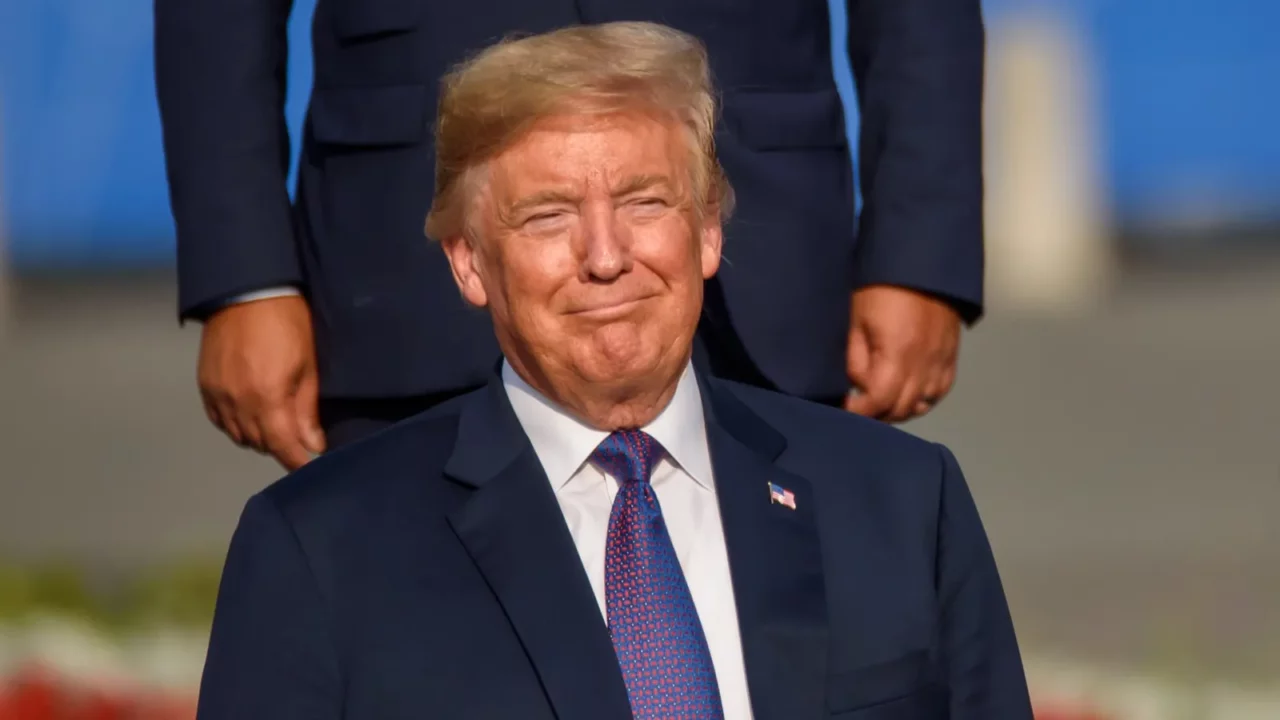
Donald Trump president of united states of America

A big trade deal shakes the market

President Trump finalized a major trade agreement with Japan, changing the way the two nations handle car imports. The deal reduced auto tariffs from a steep 25% to a more manageable 15%, which immediately caught the attention of global markets.

Investors reacted with optimism, viewing the deal as a powerful move to boost trade. This agreement is expected to impact jobs, manufacturing, and international trade flows.

Shot of stock market graph.

Japanese car stocks jump high

Japanese carmakers experienced a massive surge in stock prices following the announcement of the tariff cut. Toyota’s shares skyrocketed by over 15%, while Honda jumped more than 11% and Mazda climbed an impressive 17%.

The response demonstrates the significant weight investors place on fair trade terms. These gains reflect the newfound confidence in Japan’s auto industry following months of uncertainty.

Close-up shot of Hyundai logo on a car

Hyundai and Kia ride the wave too

Although the deal was made between the U.S. and Japan, South Korea’s Hyundai and Kia also saw benefits. Hyundai’s stock rose by 7%, and Kia wasn’t far behind with a 6.75% jump.

This suggests that global auto investors expect similar deals to follow. The ripple effect of Trump’s Japan deal spread far beyond its borders, lifting optimism in nearby markets.

Tariffs newspaper headline on money.

From 25% to 15%—a tariff shift

The once-feared 25% tariff on Japanese cars entering the U.S. has now been reduced to a total of 15%. This new structure includes a 12.5% reduction with an added 2.5% Most Favored Nation base tariff.

The adjustment makes exporting cars from Japan far more cost-effective. It also sends a strong message about Trump’s willingness to negotiate big economic changes.

Shot of US president Donald Trump waving.

Trump calls it “the largest deal ever”

President Trump took to Truth Social to share his excitement, calling this agreement with Japan “the largest Deal ever.” He claimed that the U.S. would benefit from 90% of the profits, showing how confident he is in the deal’s outcome.

Trump emphasized that Japan will pour $550 billion into U.S. industries. His messaging aimed to rally political support and stir economic excitement.

Flag of Japan

Japan to spend big in America

As part of the agreement, Japan committed to investing $550 billion into American infrastructure, manufacturing, and energy. This historic investment is expected to create jobs, support construction, and spark innovation in U.S. industries.

Japanese companies will be using this money to build stronger supply chains and partnerships. The goal is long-term growth that benefits both sides of the Pacific.

irving texas usa  march 20 2022 closeup of boeing

Defense spending gets a boost

Japan also agreed to buy 100 new Boeing airplanes, a big win for the U.S. aerospace sector. On top of that, Japan will raise its defense spending with U.S. firms from $14 billion to $17 billion a year.

This increase strengthens security ties and supports American defense contractors. The purchase adds more economic depth to the trade pact beyond automobiles.

profile of selfemployed man in straw hat holding rake

A lift for American farmers too

The trade deal includes a major win for U.S. agriculture, especially rice and crop farmers. Japan will increase its rice purchases by 75%, while also importing more American food products.

These gains will help rural economies in the U.S. that depend heavily on exports. The agricultural component of the deal ensures it touches many parts of American life.

Group of people waving Japanese flags.

Japanese exports took a hit before

Before the deal was signed, Japan’s car exports to the U.S. were falling sharply due to high tariffs. In June, Japanese auto shipments to the U.S. dropped 26.7%, following a 24.7% drop in May.

These back-to-back losses signaled trouble for Japan’s economy. The new agreement could turn that trend around quickly.

Q1 1st first quarter period stock market ticker words

Nikkei stock index hits year-high

Japan’s Nikkei stock index soared nearly 4% after the trade announcement, reaching its highest point in a year. The index was led by major gains in automakers, showing how the market quickly welcomed the news.

Investors saw the tariff cuts as a clear boost to earnings. This marks one of the most powerful market reactions to a trade deal in recent memory.

United States capitol building with waving American flag

U.S. stock market reacts with joy

Wall Street also opened strongly following Trump’s trade news, with the Dow Jones jumping over 158 points. The S&P 500 hit an all-time high, powered by optimism across the board.

Even though Nasdaq lagged slightly, the broader tone was positive. This momentum shows the deal’s wide-reaching effects on investor confidence.

Republican frontrunner Donald Trump addresses supporters

A new trade approach takes shape

President Trump made it clear that he’ll only lower tariffs if countries agree to open their markets to the U.S. Japan’s agreement to do so fits perfectly into this new trade strategy.

The approach gives America more leverage and forces balanced exchanges. This framework could now influence how future trade negotiations are handled worldwide.

CEO concept

Japan’s leader applauds the deal

Japanese Prime Minister Shigeru Ishiba called the new tariff rate “the lowest ever applied” to a trade-surplus nation. He emphasized that the deal protects Japan’s economy while also satisfying U.S. demands.

His remarks came as he denied stepping down after a tough election. The deal gave him a moment to stand tall on the global stage.

United States and Japan flags.

U.S.–Japan trade worth billions

Last year, trade between the U.S. and Japan reached nearly $230 billion, making them close partners. Japan held a $70 billion trade surplus, selling more than it bought from the U.S.

This deal seeks to level that balance by encouraging more American exports. It’s a bold attempt to reshape trade between the world’s biggest economies.

Close up of USA flag.

U.S. auto workers raise concerns

Not everyone in America thinks this deal is fair, especially U.S. car companies and workers. They argue it’s unfair that Japanese cars get a lower tariff than vehicles made in North America.

Some cars made in Canada and Mexico still face the full 25% tax. This part of the deal has caused some serious pushback from the auto industry.

Want to know more? Automakers hit the brakes on EV plans after Trump’s tax rollback.

Yokohama and mount Fuji in Japan

Japan drops extra car tests

To help U.S. carmakers, Japan will no longer require special safety tests on imported American vehicles. These extra checks used to slow down sales and make it harder to compete in Japan.

Dropping these rules removes a big hurdle for U.S. automakers. It’s one of several changes meant to level the playing field.

Curious which vehicles are affected? Discover the 15 car brands that will cost more due to Trump tariffs.

Want to stay updated on how global trade shifts are shaping your next car purchase? Tap into more stories that connect the dots between policy and the price tag.

Read More From This Brand:

Don’t forget to follow us for more exclusive content right here on MSN.

If you liked this article, you’ll LOVE our free email newsletter.

This slideshow was made with AI assistance and human editing.

Was this helpful?
Thumbs UP Thumbs Down
Prev Next
Share this post

Send feedback to evsmarts


    We appreciate you taking the time to share your feedback about this page with us.

    Whether it's praise for something good, or ideas to improve something that isn't quite right, we're excited to hear from you.