Was this helpful?
Thumbs UP Thumbs Down

Trump says Venezuela will lower gas prices, but drivers may wait years before the deal meaningfully boosts oil supply

Crude oil tanks
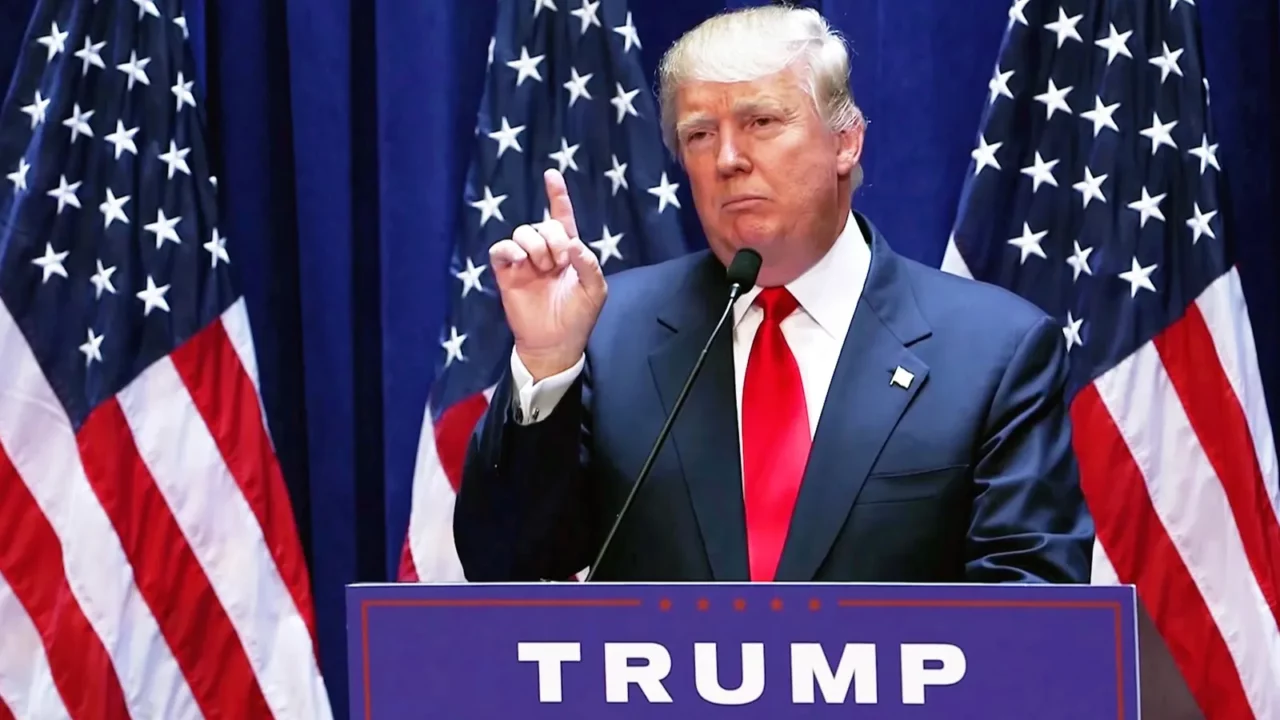
Donald Trump during a press conference

Trump’s Venezuela oil deal raises gas price questions

President Donald Trump says a major oil agreement with Venezuela will help lower gas prices for Americans, but energy experts say the impact may not be felt quickly.

The deal gives the U.S. access to billions of barrels of Venezuelan reserves, yet turning those reserves into usable fuel requires years of investment, repairs, and production growth. Analysts warn that large oil reserves alone do not guarantee cheaper gasoline at the pump.

Shot of the oil barrel.

Why billions of Venezuelan barrels may not cut costs

The Venezuela oil deal involves huge underground reserves, but experts say the oil cannot reach markets overnight. Many Venezuelan fields need new equipment, stronger infrastructure, and major financial investment before production can rise.

Industry analysts estimate that meaningful increases could take years, meaning drivers may not see immediate savings from the agreement. The challenge is producing and transporting the oil, not simply controlling access to underground reserves.

Shot of President of the United States Donald Trump.

Trump calls the agreement a historic energy breakthrough

Trump described the Venezuela agreement as a major energy initiative that could strengthen U.S. energy supplies and potentially reduce future fuel costs. The agreement involves access to 17 Venezuelan oil fields with estimated reserves of about 65 billion barrels.

Supporters argue that American involvement could attract investment and help rebuild Venezuela’s damaged oil industry. However, analysts say the project faces significant legal, financial, and infrastructure challenges that could affect its long-term impact.

Pumping oil in kern county california

The oil project depends on years of rebuilding work

Venezuela’s oil industry has suffered from years of underinvestment, economic problems, and declining infrastructure. Increasing production will require repairing equipment, attracting international companies, and improving operations across oil fields.

Experts say the country has enormous resources but lacks the capacity to extract large amounts of crude quickly. The project’s success depends on solving these practical challenges before additional oil can reach global markets.

Gas station

Oil analysts say gas relief could take many years

Energy analysts caution that American drivers should not expect immediate gasoline price reductions because expanding oil production requires time, investment, and infrastructure development. New Venezuelan output capable of affecting global supply could take years to develop.

While future supply growth may influence markets, current gasoline prices depend on global oil prices, refinery capacity, transportation costs, and worldwide demand.

Oil tanks

Venezuela’s oil reserves are large but difficult to access

Venezuela has some of the world’s largest proven oil reserves, but much of its crude is challenging to produce. The country’s heavy oil requires specialized processing and advanced infrastructure.

Experts say that extracting oil from the ground is only the first step, as companies must also transport, refine, and sell it. Large reserves do not automatically translate into cheaper energy for consumers.

Close-up of American dollars in one hundred banknotes.

The deal includes plans for major oil investments

The agreement is expected to encourage billions of dollars in investment into Venezuela’s energy sector. Officials have discussed plans involving up to $100 billion in new oil infrastructure to expand production and modernize operations.

Supporters believe new funding could revive Venezuela’s struggling oil industry and create economic benefits. However, investors must still consider political uncertainty, legal risks, and the difficulty of operating in the country.

Crude oil tanks

U.S. officials discuss using Venezuelan oil for future energy needs

A stated goal of the agreement is to expand access to Venezuelan oil supplies, which could support U.S. energy security efforts. Officials have discussed the possibility of using future production for strategic purposes, including rebuilding emergency reserves.

However, experts note that any contribution from Venezuela would depend on production growth, infrastructure improvements, and long-term project development.

Pumping oil in Kern County, California

Venezuela’s current production limits the deal’s impact

Despite its massive reserves, Venezuela currently produces far less oil than its potential. Increasing output requires expanding existing operations and bringing new fields online.

Officials have discussed production goals above 1.5 million barrels per day, but analysts say reaching those targets will require years of work. The difference between underground reserves and actual daily production is a key challenge for the agreement.

Chevron fuel pump.

Chevron’s expansion adds another layer to Venezuela plans

Chevron is among the companies expected to increase activity in Venezuela as part of broader efforts to restore oil production. The company’s involvement could bring technical knowledge and investment to the country’s energy sector.

Still, analysts say even expanded operations will not immediately transform global oil supply. Production growth depends on infrastructure, financing, and stable business conditions over time.

Businessman signing a contract agreement document, form, paperwork, deal, purchase, buy, lease

Questions remain about funding and future investors

The financial structure of the Venezuela oil agreement has raised questions among industry experts. Officials say no direct U.S. taxpayer money will fund the project, but details about financing remain limited.

Investors may need confidence that contracts will remain stable for decades before committing large amounts of money. Political changes could also affect long-term plans and business decisions.

Oil and gas industry oil refining and processing oil pumping

Critics warn the oil agreement carries major risks

Critics of the Venezuela deal question its legal structure, political impact, and long-term reliability. Some lawmakers and analysts argue that agreements involving national resources can create complicated challenges.

Supporters say the partnership could benefit both countries by increasing production and investment. The debate continues over whether the economic opportunities outweigh the risks involved in rebuilding Venezuela’s oil sector.

Differences in maintenance between EVs and gasoline cars explain another ownership difference drivers face as the vehicle fleet slowly shifts toward electric power.

Offshore oil rig drilling platform

The agreement may reshape Venezuela’s energy future

The oil deal could significantly change Venezuela’s role in global energy markets if production expands successfully. Supporters believe foreign investment may help restore an industry damaged by years of decline.

However, experts say the outcome depends on overcoming infrastructure problems, political uncertainty, and financial challenges. The agreement’s biggest effects may appear years after its announcement rather than immediately.

Trump-era policies put U.S. carmakers behind China in the EV race, showing how policy differences may shape the pace of EV adoption and fuel savings.

Trump says Venezuela’s oil deal could lower gas prices. How long are you willing to wait for cheaper fuel?

Don’t forget to follow us for more exclusive content right here on MSN

Read More From This Brand:

This slideshow was made with AI assistance and human editing.

Was this helpful?
Thumbs UP Thumbs Down
Prev Next
Share this post

Send feedback to evsmarts


    We appreciate you taking the time to share your feedback about this page with us.

    Whether it's praise for something good, or ideas to improve something that isn't quite right, we're excited to hear from you.