Was this helpful?
Thumbs UP Thumbs Down

Top tips for first-time drivers to stay safe on the roads

Shot of new driver attention warning sticker.
Cropped view of hands on steering wheel.

Getting confident behind the wheel

Learning to drive for the first time can feel both exciting and nerve‑racking. New drivers often worry about mistakes. But building safe habits early helps you feel confident and in control every trip on the road.

These tips help you grow safe driving skills step by step. Each idea builds toward better awareness, habits, and confidence. You’ll learn how to anticipate hazards, stay calm, avoid distractions, and follow traffic rules correctly.

Focused view of man pressing adaptive cruise button.

Know your car before driving

Before starting any drive, explore the car’s interior carefully. Learn where the signals, headlights, wipers, hazards, horn, and gear shifter reside. Adjust your seat and mirrors to see clearly and make controls feel easy.

Understanding warning lights, the fuel gauge, and dashboard symbols also adds confidence. Being familiar reduces fumbling during driving, which helps you maintain focus. It’s a smart first step toward safer driving from day one.

Shot of highway low traffic.

Practice in low‑traffic areas

Begin your driving lessons in quiet places like empty parking lots or low‑traffic neighborhoods. Practice turning, signaling, braking, parking, lane changes, and reversing without pressure. These safe settings help you build core control skills.

Once comfortable, advance to light rain, dusk, or mild traffic under supervision. As situations grow slightly challenging, you’ll learn to adapt and stay confident behind the wheel.

Cropped view of a businessman locking his seatbelt in a car.

Always wear your seatbelt

Putting on your seatbelt should be automatic before moving the car, even for short trips. It’s the simplest step to reduce injury risk. Teach passengers to buckle up first before the vehicle starts.

Laws in every state require seatbelt use. Skipping it can result in fines or worse. Wearing your belt protects everyone and sets the right safety habit from the start.

Car speed meter showing 60 km/h.

Stay calm and go slow

There’s no benefit in rushing your learning pace. It’s better to stay under the speed limit while you’re still getting comfortable. Moving slowly helps you focus on control and steering smoothly.

As you gain experience, gradually introduce more complex roads. But early on, avoiding heavy traffic and high-speed roads helps reduce anxiety and build your driving confidence safely.

Cropped view of man using mobile phone while driving.

Avoid distractions while driving

Keep your phone out of reach and silence notifications before driving. Texting or talking while driving makes you about 23 times more likely to crash. Even hands‑free calling can still hurt concentration.

Don’t eat, drink, change music, or chat with passengers while driving. If you need to do something else, pull over safely first. New drivers must learn to focus deeply from the first mile.

Shot of drunk man with automobile keys at bar.

Never drive after drinking

Driving under the influence of alcohol, drugs, or even strong medications is extremely dangerous and illegal. It slows reaction time, clouds judgment, and increases crash risk dramatically. Always plan ahead safely.

If you’re impaired, arrange a sober ride instead of driving. Use a rideshare, taxi, or public transport. Remember: no amount of alcohol or fatigue is worth risking your safety or your license.

Keep a safe following distance

Use the three‑second rule: pick a steady point like a road sign. When the car ahead passes it, count “one‑two‑three.” You should reach that point only after three seconds to maintain a safe gap.

In poor weather or heavy traffic, increase that buffer. That time allows for reaction if someone brakes suddenly. Leaving space helps you prevent rear‑end crashes and gives you more calm control.

Shot of red traffic light in the city.

Follow all traffic rules

Obey speed limits, stop signs, traffic lights, yield signs, and lane markings. Always use your turn signals before changing lanes or turning. Traffic laws are there to keep everyone safe.

Ignoring rules risks crashes and legal consequences, such as tickets or license suspension. As a beginner, mastering laws early helps you avoid mistakes and drive confidently under any road condition.

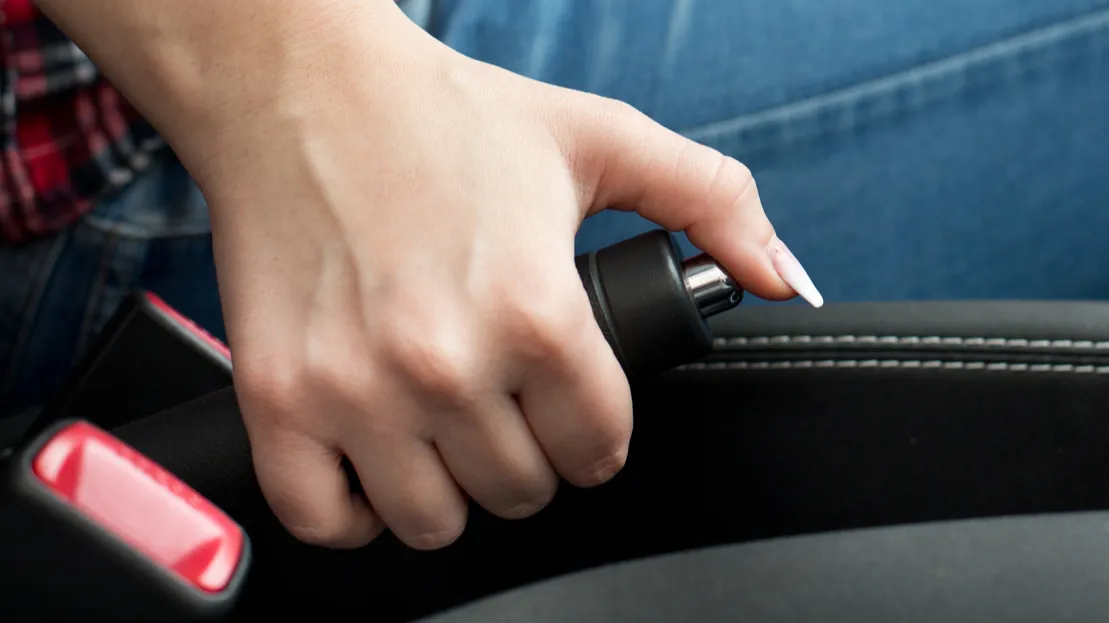
A woman is pulling the handbrake lever.

Drive defensively and stay alert

Defensive driving means expecting others might make errors. Scan the road ahead and check mirrors regularly, watching for bicycles, pedestrians, and sudden stops from vehicles ahead.

Always be prepared to react calmly if someone else drives poorly. Leave space, avoid tailgating, and assume other drivers may not see you. That mindset helps keep you safe even if others behave unpredictably.

Blind spot monitoring system warning light icon in side view.

Always check your blind spots

Even if your mirrors are adjusted properly, always glance over your shoulder before changing lanes. Blind spots hide vehicles or bikes that aren’t visible in mirrors. Checking ensures you don’t miss someone.

Practice this every time, right or left lane change, merging, or turning. Making it a habit early prevents risky surprises and helps build safer, more confident driving skills.

Cropped view of man sitting in a car and adjusting rearview.

Look carefully at intersections

Before pulling away at intersections, look left, right, then left again. Also, check your mirrors and blind spots. Many learner mistakes happen from missing a vehicle or a pedestrian while moving off.

Practicing frequent observation and visual scanning builds awareness. This helps avoid failing maneuvers and promotes safer decisions on the road, especially in busy or unpredictable environments.

Partial view of worker holding tools and wrenches in hand.

Be ready for road emergencies

Keep your car stocked with essential items like water, a flashlight, jumper cables, a first‑aid kit, and tire repair tools. Also, keep key documents: license, registration, and insurance card.

If your car breaks down or you have an unexpected delay, being prepared helps manage stress safely. This basic readiness helps new drivers manage roadside surprises confidently.

Man tired from long drive.

Don’t overestimate your ability

As you first drive, you might feel capable, but multitasking increases risk. A Virginia Tech study found that new drivers begin multitasking after a year, matching experienced drivers in distraction and rising accident risk.

Stay focused and avoid overconfidence. Even small distractions, like reaching for items or checking directions, make you vulnerable. Keep eyes on the road until solid experience builds.

Driving a car in the rain rain and bad weather.

Adjust your driving in bad weather

Drive slower when roads are wet, icy, foggy, or glare is strong. Weather affects traction and visibility. Turn on headlights early and increase your following distance.

Well‑tuned tires, brakes, and wipers help manage challenging conditions. If visibility or road grip feels unsafe, consider delaying the trip until conditions improve. Driving smart is driving safe.

Love classic rides with room to spare? Check out these timeless American cars that left their mark.

Shot of new driver attention warning sticker.

Learning doesn’t stop after the test

Passing your driving test is a milestone, not the finish line. Continue practicing, asking for feedback, and reviewing traffic laws occasionally to reinforce smart habits. Good drivers never stop learning.

Look into advanced driving or defensive driving courses once you’re comfortable. Staying curious, alert, and humble behind the wheel keeps you safe and confident for years to come.

Curious what this one Kia can handle? See how it holds up when the power goes out.

What’s one driving tip you wish you knew when you first started? Share your thoughts in the comments!

Read More From This Brand:

Don’t forget to follow us for more exclusive content right here on MSN.

If you liked this article, you’ll LOVE our free email newsletter.

This slideshow was made with AI assistance and human editing.

Was this helpful?
Thumbs UP Thumbs Down
Prev Next
Share this post

Send feedback to evsmarts


    We appreciate you taking the time to share your feedback about this page with us.

    Whether it's praise for something good, or ideas to improve something that isn't quite right, we're excited to hear from you.