6 min read
I know it looks like 3YD but it’s actually BYD it stands for Build Your Dreams
6 min read

The 2025 Toyota Prius continues to impress with exceptional fuel efficiency, delivering up to 57 MPG in the city and 56 on the highway. Its sleek redesign adds modern appeal, while advanced safety features like adaptive cruise control and lane assist provide peace of mind.
The Prius remains a trusted choice for eco-conscious drivers who want proven reliability and substantial value in one package.

Hyundai’s Elantra Hybrid stands out with a combined fuel economy rating of up to 54 MPG. This sedan offers a stylish, aerodynamic design and a surprisingly spacious interior with tech features like wireless Apple CarPlay and Android Auto.
Its affordability and smooth, quiet ride make the Elantra Hybrid a smart pick for budget-minded drivers seeking eco-friendly performance.

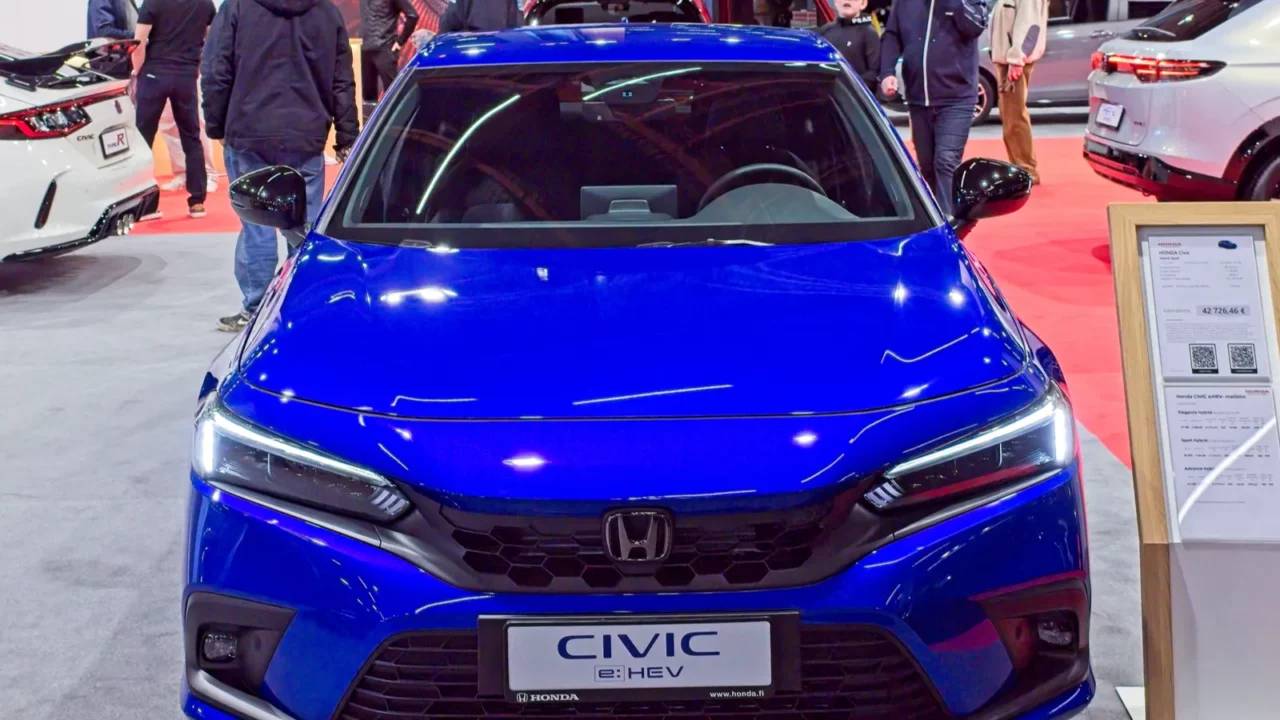
The 2025 Honda Civic Hybrid blends sporty handling with solid fuel economy, achieving an EPA-estimated 48 MPG combined. Inside, it offers a refined cabin with upgraded materials and a suite of safety technologies, including collision mitigation braking.
Its balanced performance appeals to drivers who don’t want to sacrifice fun for efficiency, making it a compelling option in the growing hybrid market.

Known for affordability and dependability, the Toyota Corolla Hybrid delivers up to 53 MPG combined, making it one of the most efficient cars in its class. It provides a comfortable ride with an intuitive infotainment system and Toyota’s Safety Sense suite.
This model’s value is enhanced by its low ownership costs and excellent resale value, making it ideal for practical buyers focused on savings and reliability.

The Hyundai Sonata Hybrid offers an EPA-estimated 52 MPG combined and impresses with its roomy interior and modern styling. It boasts many standard tech features, including a large touchscreen and advanced driver-assistance systems.
The smooth ride quality and spacious rear seats make it an excellent choice for families wanting fuel savings without sacrificing comfort or amenities.

The Kia Niro EV delivers a practical and eco-friendly driving experience with an estimated 253 miles of range per charge. This compact SUV offers a well-appointed interior, cargo space, and user-friendly tech features like a large touchscreen and smartphone integration.
Its range, utility, and competitive pricing make it a standout choice for drivers moving to all-electric vehicles.

With an EPA-estimated range of 261 miles, the Hyundai Kona Electric balances affordability and usability. Its comfortable cabin and straightforward infotainment system provide daily convenience, while the responsive electric motor offers quick acceleration.
The Kona’s compact size makes it ideal for urban driving, and it remains a solid option for buyers prioritizing practicality and eco-friendliness.

The Nissan Leaf S continues to serve as one of the most affordable electric vehicles available, offering an EPA-estimated range of up to 212 miles suitable for most urban and suburban drivers. It has a comfortable interior and basic tech features that meet everyday needs.
The Leaf’s long-standing presence in the EV market adds to its appeal as a reliable and accessible entry point to electric driving.

The Kia Sportage Hybrid provides up to 42 MPG combined while delivering the versatility of a compact SUV. It boasts a spacious and well-designed cabin, ample cargo room, and modern infotainment options, making it an excellent choice for families.
The hybrid powertrain balances performance with fuel savings, catering to those who want an eco-friendly vehicle without compromising on space or comfort.

The Ford Escape Hybrid offers a roomy interior and up to 44 MPG in city driving, making it a practical choice in the hybrid SUV segment. Equipped with the latest driver-assist features and an intuitive infotainment system, it suits families and commuters alike.
The Escape Hybrid blends efficiency with everyday usability, appealing to drivers with a comfortable, spacious vehicle with reduced fuel costs.

The 2025 automotive market is seeing rapid hybrid and electric vehicle technology advances. Consumers now benefit from better battery performance, longer ranges, and more affordable prices.
Automakers focus on balancing cost, efficiency, and features to meet increasing environmental regulations. These trends are expanding options for drivers looking to reduce emissions and save money on fuel without sacrificing style or comfort.

As gas prices fluctuate and environmental concerns rise, value is critical for car buyers. Hybrid and electric vehicles provide a compelling mix of low operating costs, government incentives, and reduced emissions.
Models offering high fuel efficiency, affordable pricing, and substantial resale value give drivers the best financial sense in today’s market, making them wise investments for the future.

Safety technology continues to improve across hybrids and EVs, with many 2025 models offering standard features like automatic emergency braking, blind-spot monitoring, and lane-keeping assist. These systems enhance driver confidence and reduce accident risk.
The vehicles highlighted all meet or exceed federal safety standards, ensuring peace of mind without compromising the efficiency or tech features that buyers expect.

Range anxiety remains a key concern for electric vehicle buyers, but infrastructure improvements ease fears. Fast chargers are becoming more common, and battery tech is advancing, offering longer ranges on affordable models.
Cars like the Kia Niro EV, which has over 250 miles per charge, make electric driving practical for most daily and even longer trips, broadening EV appeal.

Beyond fuel economy, hybrids and EVs contribute to lower greenhouse gas emissions and reduced fossil fuel dependence. Many manufacturers invest in sustainable battery production and recycling programs to minimize environmental impact.
Choosing a hybrid or electric vehicle supports broader efforts to combat climate change and promotes cleaner air, aligning with growing consumer demand for greener transportation options.
Wondering how we can fix the EV charging problem? Check out the full story on America’s charging gap.

Assessing personal driving habits, budget, and available incentives is essential for drivers considering a hybrid or electric vehicle. Federal and state rebates, tax credits, and reduced operating costs make the transition more affordable.
Researching charging options and understanding maintenance differences can ease the switch, allowing consumers to confidently embrace greener technology without sacrificing convenience or performance.
Curious how companies are finding a more innovative way forward? See how Rivian’s doing it.
What’s your take on the EVs vs Hybrid vehicles? Drop your thoughts in the comments, like if you’re rooting for more clean cars.
Read More From This Brand:
Don’t forget to follow us for more exclusive content right here on MSN.
If you liked this article, you’ll LOVE our free email newsletter.
This slideshow was made with AI assistance and human editing.
We appreciate you taking the time to share your feedback about this page with us.
Whether it's praise for something good, or ideas to improve something that
isn't quite right, we're excited to hear from you.