5 min read
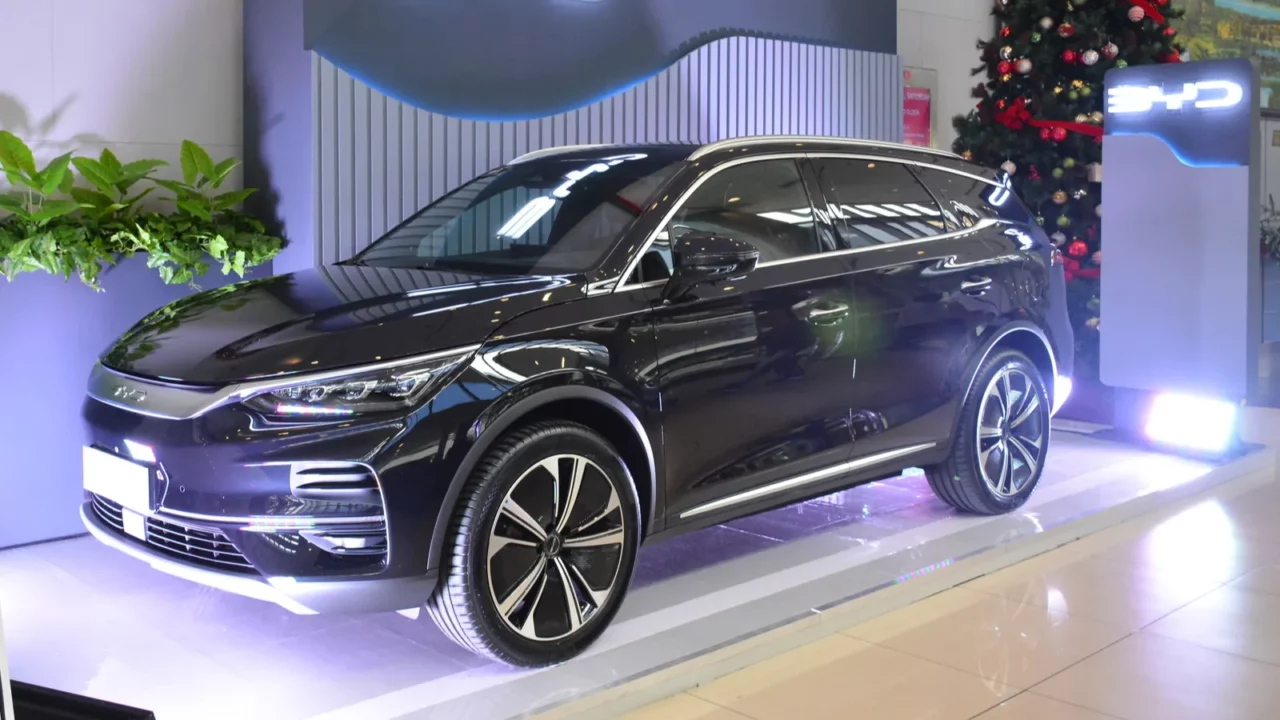
I know it looks like 3YD but it’s actually BYD it stands for Build Your Dreams
5 min read

BYD has organized its passenger car lineups into three major categories. Additionally, cars with different features fall into each of these categories.
The lineup is categorized under three intriguing names:
Furthermore, the cars are arranged in the sequence of their launches and progress within an evolutionary framework.

BYD began producing batteries as early as September 1994 and was officially established as a battery manufacturer in February 1995.
For a decade, the company focused exclusively on producing rechargeable batteries. From 1995 to 2005, BYD did not venture into car production. After completing the tenure, BYD stepped into launching its first vehicle.

Several dynasties mark Chinese history, each contributing to the country’s rich culture and fascinating rituals. The Chinese people keep their historical values high.
The name “Dynasty Series” was inspired by these historical dynasties. Furthermore, the cars in this category are named after notable Chinese dynasties, such as the Qin, Han, and Tang families.

According to the company, BYD’s Dynasty Series is projected to sell approximately 2 million units this year. From January to October, sales exceeded expectations, reaching 1.58 million units.
These sales accounted for nearly half of BYD’s total brand sales. These are undoubtedly impressive figures, as highlighted by Lu, the general manager of BYD’s sales division for the Dynasty Series.

The highest sales for fuel vehicles were reported in 2017, attributed to the SAIC-Volkswagen collaboration. This joint venture between companies generated significant profits and set a remarkable record.
BYD is determined to surpass that record this year and is steadily approaching its goal. The year 2024 might be proven lucky for the BYD.

BYD is determined to break the record sales set by SAIC-Volkswagen. The sales reports reveal awe-inspiring numbers. The numbers speak for themselves, as these are not stated in mere inspirational speeches.
BYD sold 502,575 vehicles categorized as New Energy Vehicles (NEVs) by October 2024. These figures surpass the company’s previous records, highlighting significant progress toward its goals.

The cars under the New Energy Vehicles (NEVs) category are sold with different brandings, such as BYD, Denza, Yangwang, and Fang Cheng Bao.
However, the three lineups are under the BYD logo, as the company plans to go global. The global recognition of BYD needed to be streamlined to make these names less complicated.

BYD launched the Dragon Series to elevate the company to a new level. This lineup consists of family vans and SUVs designed with futuristic aesthetics.
The headlights of the Dragon Series resemble the shape of a fierce dragon, a nod to Chinese traditions. Dragons are significant in Chinese rituals and culture, which inspired the series’ name.

2024 coincided with the Chinese Lunar New Year, the Year of the Dragon. In Chinese culture, the dragon symbolizes power and prosperity and is revered as godlike.
The most prominent cars in BYD’s Dragon Series are the BYD Qin L and the top-selling BYD Tang Max. This year proved lucky for BYD when we saw their sales.

The dynasty models of BYD are designed in more of Longyan design. We can see a sharp edging difference compared to the upper-ranked Dragon series.
The Dragon series features cars with front end featuring sharp edges. More of a fierce front shape, showing their belief in the power that resides in their Dragon.

The powerful face of a dragon with fierce-looking headlights and a massive front grille inspires this SUV. The chrome lining travels from the front bumper to the sides and from the sides to the rear bumper.
Thanks to the spacious seven-seater design, the enormous doors and futuristic design ensure that all the passengers travel safely and in style. The crystal headlights talk about their dragon series claim.

These variants of previously launched models have been re-designed to a greater extent. The uplifts make their shape much more aesthetic and futuristic.
The facelifts were done from the inner to outer edges. The Interior is re-designed, and so is the exterior. Instead of launching newer models, they use a strategy of displaying improvement in their work.

The third lineup, the Ocean series, is majorly re-constructed from inside to outer body shape. These models are based on EVs and do not include hybrid or fuel models.
The claim by these series is that they are concerned about global warming. The slogan used is “Cool the earth by one degree.”

The Ocean series is launched to make the BYD globally recognizable. They used one vast lineup of freshly launched models under this category.
The approach works as there are no complications in understanding the different lineups. Moreover, the other two lineups were designed based on Chinese history, and the world may differ.
Explore our post, Is BYD Seal AWD – A New Benchmark in Electric Cars, to learn more about this groundbreaking vehicle and its impact on the electric car market.

The approach of the Ocean series makes it more recognizable. The company covered leaps of success after the launch. The BYD was not much heard of outside China before the launch of the Ocean series.
The major milestone achieved after this series is the competition they are giving to the world’s top manufacturers of EVs, none other than the Tesla.
Check out our post, Is the BYD Seal AWD the Tesla Model 3 Killer? to explore how it stacks up against the competition.
We appreciate you taking the time to share your feedback about this page with us.
Whether it's praise for something good, or ideas to improve something that
isn't quite right, we're excited to hear from you.