7 min read
I know it looks like 3YD but it’s actually BYD it stands for Build Your Dreams
7 min read

A Washington family has filed a lawsuit against Tesla after alleging that their Model X suddenly accelerated through an intersection while they were stopped at a red light.
The case raises new questions about driver-assistance technology, vehicle data, and how investigators determine whether a crash was caused by software, human input, or another factor.
According to the lawsuit, Linh Nguyen was driving a 2023 Tesla Model X in Kirkland, Washington, on June 29, 2023, with his 14-year-old daughter inside. The complaint claims the SUV unexpectedly moved forward into the intersection before striking a curb.

The lawsuit alleges that the Model X failed to remain stopped, accelerated without Nguyen pressing the accelerator, and prevented him from regaining control through braking or steering. The family argues that Tesla’s driver-assistance technology played a role in the incident.
Nguyen says he purchased advanced Tesla technology for approximately $15,000, raising questions about which specific system was involved. Tesla offers various driver-assistance features, including Autopilot and Full Self-Driving (Supervised), each with distinct capabilities.
The exact technology active at the time of the crash remains an important part of the case. Vehicle records, including system logs and driver inputs, could help determine what happened during those critical seconds.

This is not the first time Tesla’s driver-assistance systems have faced legal and regulatory scrutiny. Previous crashes involving Autopilot have prompted investigations into whether the technology functioned as intended and whether drivers properly understood its limitations.
In a 2018 fatal Model X crash in California, the National Transportation Safety Board concluded that Autopilot contributed to the vehicle steering into a highway area and cited the driver’s failure to respond.
However, the circumstances of that crash were different from the Washington lawsuit. A vehicle leaving a highway lane is not the same scenario as an allegation of sudden acceleration from a stopped position.

Modern vehicles collect large amounts of information about driving conditions, system activity, and driver actions. In this case, data from the Tesla could provide evidence about whether the vehicle accelerated independently or whether another factor contributed.
Important information may include accelerator position, brake application, steering input, vehicle speed, and the status of Tesla’s assistance systems at the moment of impact.
Without access to that information, outside observers cannot independently determine exactly what caused the crash. The lawsuit will likely depend heavily on technical evidence rather than on witness descriptions.

Reports of unintended acceleration have appeared across the automotive industry for decades, and investigators typically examine whether the cause was mechanical failure, software behavior, driver input, or another factor.
In earlier Tesla acceleration complaint investigations, the National Highway Traffic Safety Administration reviewed available crash data and found that cases with event data available involved accelerator pedal application rather than confirmed vehicle defects.
However, every crash requires its own investigation. A prior finding in another incident does not automatically determine the outcome of a new lawsuit involving a different vehicle, driver, and set of circumstances.

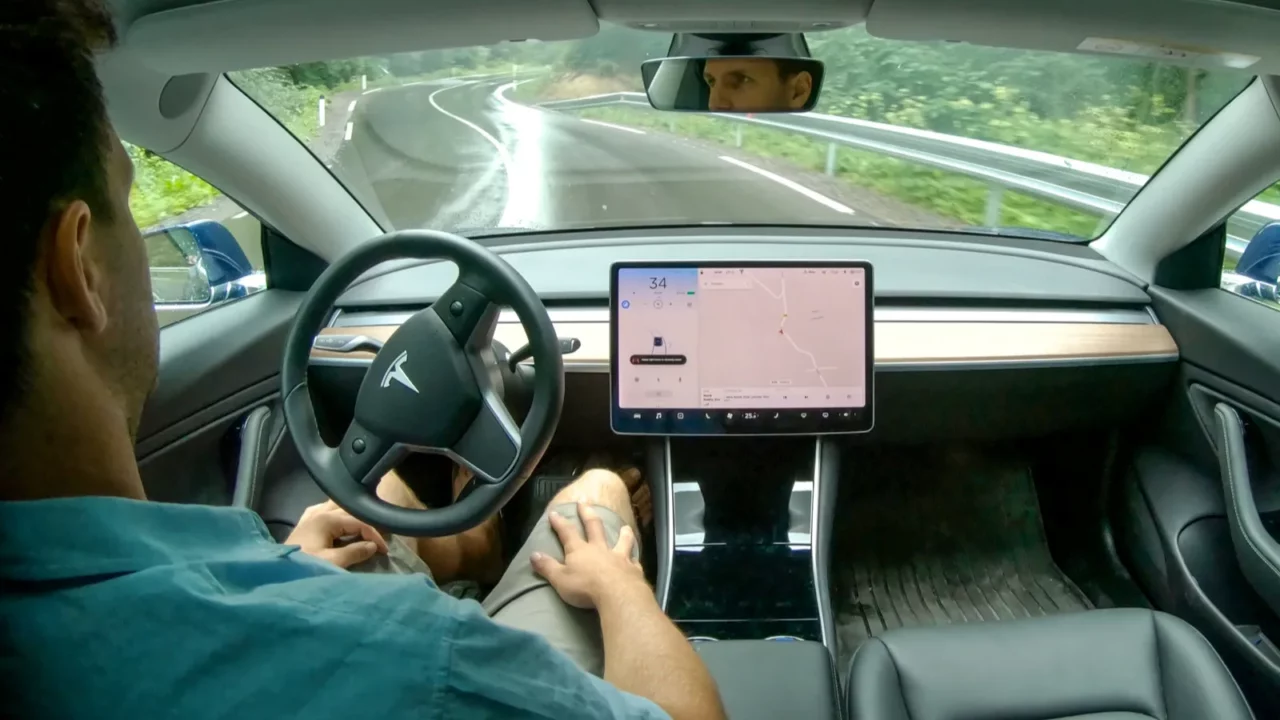
Tesla’s Autopilot and Full Self-Driving systems are designed as driver-assistance technologies, not fully autonomous driving systems. Tesla states that drivers must remain attentive and ready to take control when using these features.
The company has repeatedly emphasized that these systems require active supervision. The technology can assist with steering, braking, acceleration, and traffic-related functions, but it does not replace a human driver.
The lawsuit highlights a continuing challenge in the automotive industry: ensuring that customers understand what advanced driving systems can and cannot do.

Traditional crash investigations relied mainly on physical evidence, witness accounts, and vehicle inspections. Today, connected vehicles provide another source of information through electronic records.
A vehicle’s internal systems can record details about speed, braking, steering, and assistance features. These records can become important evidence in disputes involving automated technology.
As vehicles become more software-driven, access to reliable technical data is becoming increasingly important for courts, regulators, manufacturers, and vehicle owners.

Tesla has faced multiple investigations and lawsuits involving Autopilot and Full Self-Driving claims. Regulators have examined whether drivers properly understand the technology and whether the systems perform safely in different situations.
Some cases focus on system limitations, while others involve questions about driver behavior and responsibility. Determining responsibility often requires analyzing both the technology and the actions of the person behind the wheel.
The Washington lawsuit adds another example to the broader debate over how advanced driver-assistance systems should be tested, explained, and regulated.

Driver-assistance technology promises to improve safety by helping humans avoid mistakes, but it also creates new challenges. Drivers may misunderstand what a system can do or assume it is more capable than it actually is.
Manufacturers face pressure to develop advanced features while clearly communicating their limitations. Regulators are also working to determine how these technologies should be evaluated.
The goal is not only to create smarter vehicles but also to ensure that drivers understand their relationship with those systems.

Legal cases involving advanced vehicles often become important sources of information about how technology performs in real-world situations.
When crashes happen, courts may examine engineering data, software behavior, company warnings, and user instructions. These investigations can influence future vehicle designs and safety standards.
For manufacturers, lawsuits also create pressure to improve transparency around complex systems that many consumers may not fully understand.

Tesla has built much of its identity around software updates and advanced vehicle technology. Unlike traditional cars, Tesla vehicles can receive new features and improvements through software changes.
However, software-based vehicles also create new responsibilities. Companies must ensure that updates, driver interfaces, and safety systems work reliably across different driving conditions.
The Model X lawsuit reflects a broader shift in the auto industry, where vehicle safety increasingly depends on both mechanical engineering and software development.

Self-driving and driver-assistance technologies are expected to become more common in future vehicles. However, widespread adoption depends on public confidence.
Drivers need accurate information about what systems can do, while regulators need reliable methods for evaluating safety performance.
Cases like the Washington Model X lawsuit demonstrate why transparency, technical evidence, and clear communication will remain central as automated driving continues to develop.
Tesla has reached 75,000 Supercharger stalls across its global network. See how this expansion improves charging access and supports EV growth.

The Tesla Model X lawsuit is still based on allegations, and the outcome will depend on the evidence presented during the legal process. The vehicle’s internal data may become one of the most important pieces of information in determining what happened.
As cars become increasingly connected and software-controlled, crash investigations will rely more on digital records alongside traditional evidence.
The future of automotive safety will not only depend on building smarter vehicles but also on creating systems that are understandable, accountable, and trusted by the people who use them.
Jay Leno tested a Tesla Semi built with a battery designed to last up to 1 million miles. Understand how this long-life battery could impact trucking durability and operating costs.
Should Tesla be held responsible for the alleged sudden acceleration, or should vehicle data determine what caused the crash? Please let us know in the comments!
Don’t forget to follow us for more exclusive content right here on MSN
If you liked this, you might also like:
This slideshow was made with AI assistance and human editing.
We appreciate you taking the time to share your feedback about this page with us.
Whether it's praise for something good, or ideas to improve something that
isn't quite right, we're excited to hear from you.

Lucky you! This thread is empty,
which means you've got dibs on the first comment.
Go for it!