Was this helpful?
Thumbs UP Thumbs Down

Tesla Debuts Fully Autonomous Cybercab Robotaxi In Paris

Tesla vehicle electric key cards
Tesla Cybercab RoboTaxi displayed at a show

Remember Your First Ride?

For many Americans, getting their first car wasn’t just exciting; it felt like growing up in real time. That first solo drive meant freedom, independence, and the start of a life you controlled. Now, a new kind of vehicle is entering the picture, one that drives itself.

Instead of gripping the wheel, you just hop in and go. It’s not just a new way to travel, it’s a big shift in what driving even means. And like that first car ride, it could change everything about how we move through the world.

Tesla Cybercab RoboTaxi displayed at a show.

What Is A Robotaxi?

A robotaxi is a taxi without a driver. You order it with your phone, it picks you up, and takes you where you want to go, no steering wheel, no pedals, no driver’s seat at all. Inside, you’ll find comfortable seating, screens, and space to stretch out.

Some look sleek and futuristic, others more like tiny lounges on wheels. It’s transportation built around passengers, not drivers. Companies are betting big that robotaxis will become part of daily life. And for people tired of traffic and parking, the idea can sound pretty appealing.

Tesla vehicle electric key cards

Tesla’s Cybercab Steps Into The Spotlight

Tesla unveiled its fully autonomous Cybercab at the VivaTech 2025 conference in Paris. This two-seater, featuring butterfly doors and no steering wheel, is designed exclusively for robotaxi use, with mass production expected to begin in 2026.

While many companies are testing robotaxis, Tesla wants to make them stylish and fun, something you’d want to be seen in. The Cybercab isn’t just about getting somewhere. It’s designed to turn heads and spark curiosity about the future of travel.

Texas flag

Robotaxi Testing Hits The Streets In Texas

Tesla has started testing its robotaxis in Austin, Texas. A small group of modified Model Y cars is running loops in a geofenced area of the city to check safety and performance. This is how most big tech shifts begin, quietly, with careful tests in controlled spaces.

Austin has become a testing ground for many companies, and the data collected there will shape what happens next. For now, only a few cars are running, but each mile they drive gets us closer to driverless cars on every street.

Waymo logo displayed on a phone.

Waymo Vs Tesla, Two Paths To Autonomy

Waymo, a company from Google, is already running a robotaxi service in several cities. It uses lasers and radar to help its cars understand the road. Tesla takes a different route, relying only on cameras. Elon Musk believes this makes the system cheaper and ultimately smarter.

It’s a big difference in approach, like using eyes versus a full set of senses. Both want to win the race to a future where cars drive themselves, but they’re taking very different roads to get there.

Traffic jam on road

How Safe Are Robotaxis?

Safety is the number one question people ask about robotaxis. Tesla’s cars use new software that’s still learning how to handle complex situations like traffic jams and sudden stops. Experts say you can’t just look at a car and know it’s safe.

It takes years of testing and millions of miles without crashes. While Waymo hasn’t reported any fatal accidents, Tesla’s past driver-assist systems have been under investigation. Still, robotaxis are built to follow rules, avoid distractions, and never drive tired, which drivers struggle with every day.

Tesla Cybercab RoboTaxi displayed at a show

Freedom Without Driving?

Robotaxis are flipping the idea of freedom on its head. For over a century, freedom meant holding the wheel and choosing your path. Now, you might be free from driving altogether. Imagine commuting without stress or making long trips without needing breaks.

The car becomes a mobile room where you can nap, read, stream a show, or talk with a friend. It’s not the thrill of speeding down a highway, but it’s a new kind of freedom, one where the ride becomes your time, not your task.

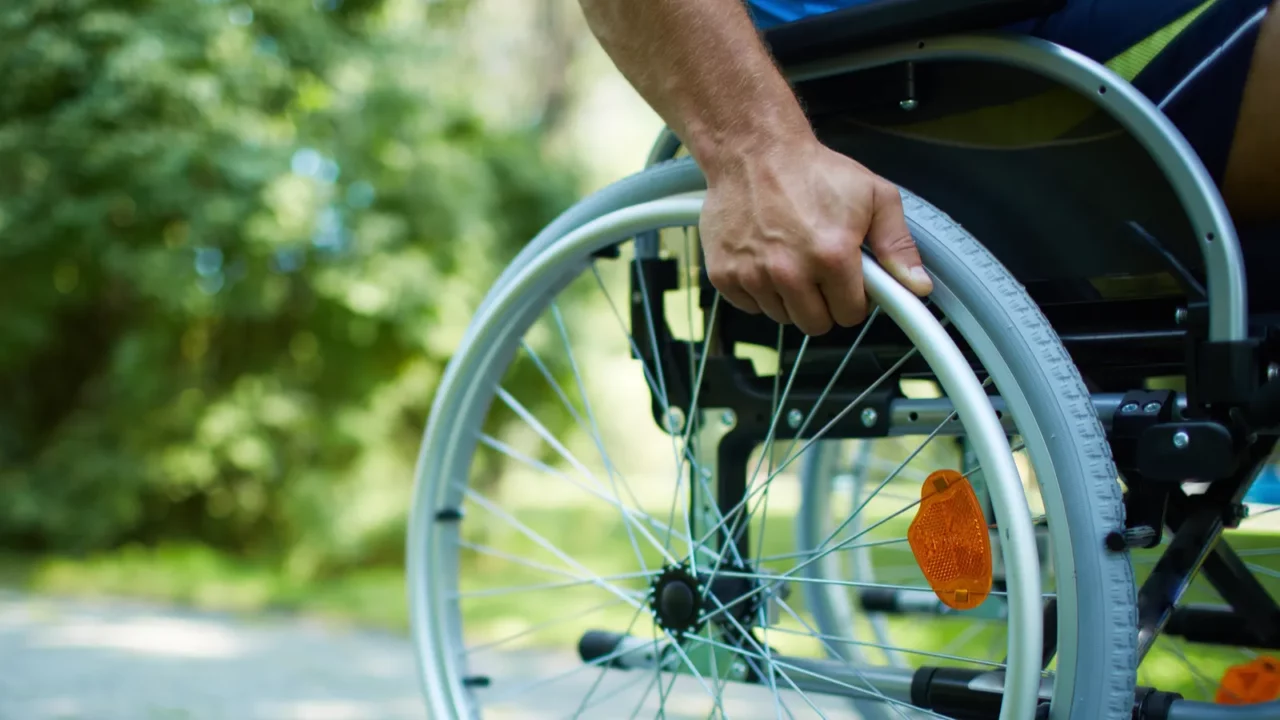
Man pushing wheelchair with hands

Opening Doors For More People

Self-driving cars could make transportation easier for people who are often left out. Older adults, people with disabilities, and anyone who can’t drive could suddenly go wherever they need, without relying on others.

A 2017 report said two million people with disabilities could join the workforce if robotaxis were widely available. It’s not just about errands or appointments. It’s about having more options, more independence, and more ways to connect with the world outside the front door.

Cropped view of man hands refueling car.

The High Cost Of Driving Could Drop

Owning a car is expensive, there’s gas, insurance, repairs, and the big price tag upfront. Robotaxis could make getting around cheaper in the long run. Right now, rides are still costly, but experts think that could change fast. Some predict the cost per mile could fall below a dollar by 2030.

In China, robotaxis are already way cheaper than regular rides. As more companies get involved and technology improves, these cars might help more people get where they’re going, without wrecking their budgets.

Boy relaxing in bus.

The Commute Gets An Upgrade

Think about how much time people spend commuting. Now picture that same time spent watching a show, answering emails, or just closing your eyes and relaxing.

Robotaxis could turn boring commutes into personal time. You wouldn’t have to focus on traffic or fight for a parking spot. The trip becomes a chance to unwind instead of just something to survive. For parents, workers, and students, that change could be huge.

Happy couple having road trip

A New Kind Of Road Trip

Road trips have always been a part of American life, packing snacks, making playlists, and driving for hours. Robotaxis might change how we do them, but not why we love them.

You could still hit the open road with a friend or two, just without taking turns at the wheel. Maybe you watch movies or take pictures out the window as your ride moves along. The trip could be about connection and discovery, not fatigue and fuel stops.

Tesla Cybercab RoboTaxi displayed at a show

Cool Looks, No Driver Needed

Just because a car drives itself doesn’t mean it has to be boring. Tesla’s Cybercab has sharp lines, futuristic doors, and a sporty look that turns heads.

Even with no steering wheel, people still care about style. After all, cars have always been a way to show personality. Companies know that design matters because how something looks still shapes how we feel riding in it.

Men and women traveling on horse

Will Classic Cars Become Like Horses?

People used to ride horses for daily travel. Then cars took over, but we still ride horses for fun. The same could happen with classic cars.

They won’t disappear; they’ll just become more of a weekend hobby. People will still take out their Mustangs and Camaros for joyrides. But for everyday errands, driverless cars might become the new normal.

Cars parked in front of auto cinema screen

From Drive In Movies To Driving Movie Theaters

Cars have long been part of how we experience entertainment. Drive-in movies were once the big weekend event. With robotaxis, the car might become the theater.

Imagine watching a movie while heading across town, or streaming a show during a trip across the state. The vehicle becomes a space for fun, not just a way to get somewhere. It’s travel and entertainment rolled into one.

Welcome to utah sign by monument valley

Not Everyone’s Sold On Robotaxis Yet

A lot of people still don’t trust the idea of a car with no driver. In one poll, 71% said they wouldn’t ride in one today.

But when people try them, the numbers change. In a Utah test program, 98% of riders said they felt safe. It may take time, but firsthand experience could slowly shift public opinion.

Partial view of a blurred judge holding a gavel during sentencing

Rules And Laws Are Still Catching Up

Texas doesn’t currently require robotaxi companies to get special permits, but that may change soon. A new law is on the table that could tighten the rules starting this fall.

City officials in Austin can’t regulate autonomous vehicles directly, but they are watching closely. They’ve tracked safety issues and shared data with companies to improve the process. As robotaxis spread, state and local laws will play a bigger role in shaping where and how they operate.

Curious how Tesla’s first robotaxi rides are going? Take a look at what’s happening on the streets already.

Tesla logo on a car with raindrops.

Tesla’s Launch Could Change The Game

Tesla is starting small, with just a few cars in one city. But Elon Musk has big plans to expand fast if the tech holds up.

Even investors are watching closely. A successful launch could boost Tesla’s business and set a new standard for the industry. If it works, other cities and companies may rush to catch up. This could be the start of a major shift in how we move, work, and live.

Want to see where Tesla’s robotaxi ambitions are headed next? California just gave the green light, here’s what that means.

Think robotaxis are the future or just hype? Drop your thoughts in the comments and hit like if this got you thinking.

Read More From This Brand:

Don’t forget to follow us for more exclusive content right here on MSN.

If you liked this article, you’ll LOVE our free email newsletter.

This slideshow was made with AI assistance and human editing.

Was this helpful?
Thumbs UP Thumbs Down
Prev Next
Share this post

Send feedback to evsmarts


    We appreciate you taking the time to share your feedback about this page with us.

    Whether it's praise for something good, or ideas to improve something that isn't quite right, we're excited to hear from you.