Was this helpful?
Thumbs UP Thumbs Down

Tennessee may add a tax on public EV charging

Porsche charging station lounge bingen am rhein power
Memphis tennessee beale street

Charging up just got pricier

Pulling into a fast charger in Tennessee may soon feel different, as a new plan would add a small tax to public charging that works like a gas tax.

For many families, EVs already mean cleaner air, quieter drives, and lower fuel costs, but this change could reshape how people think about charging on trips and for daily travel across the state.

Fast charging station for electric cars.

A new road funding idea

Lawmakers are proposing a 3-cent-per-kilowatt-hour excise tax starting Jan. 1, 2027, collected by operators of qualifying public charging stations and reported monthly to the state.

The goal is to replace gas tax money that electric cars do not pay, helping keep roads safe, smooth, and funded for repairs, bridges, and long-term transportation projects.

Cars charging at station

Fast chargers only, not all plugs

Tennessee already charges added renewal fees for electrified vehicles, $200 for all-electric vehicles (for renewals expiring on/after Jan. 1, 2024, and before Jan. 1, 2027) and $100 for hybrids and plug-in hybrids, with the all-electric fee scheduled to rise to $274 around 2027.

The policy targets only quick, high-demand charging rather than everyday residential use.

Cropped view of a person's hand counting cash while buying a car.

EV owners already pay more yearly

Electric vehicle owners in Tennessee already pay higher registration fees compared to gas-powered drivers to help fund road maintenance and transportation projects. The proposed fast-charging tax could feel like double-charging for EV owners, who already pay higher annual registration fees.

Critics argue this could make electric driving feel less affordable and unfair, especially for those who regularly rely on public chargers. Supporters maintain it’s necessary to ensure all drivers contribute to road upkeep.

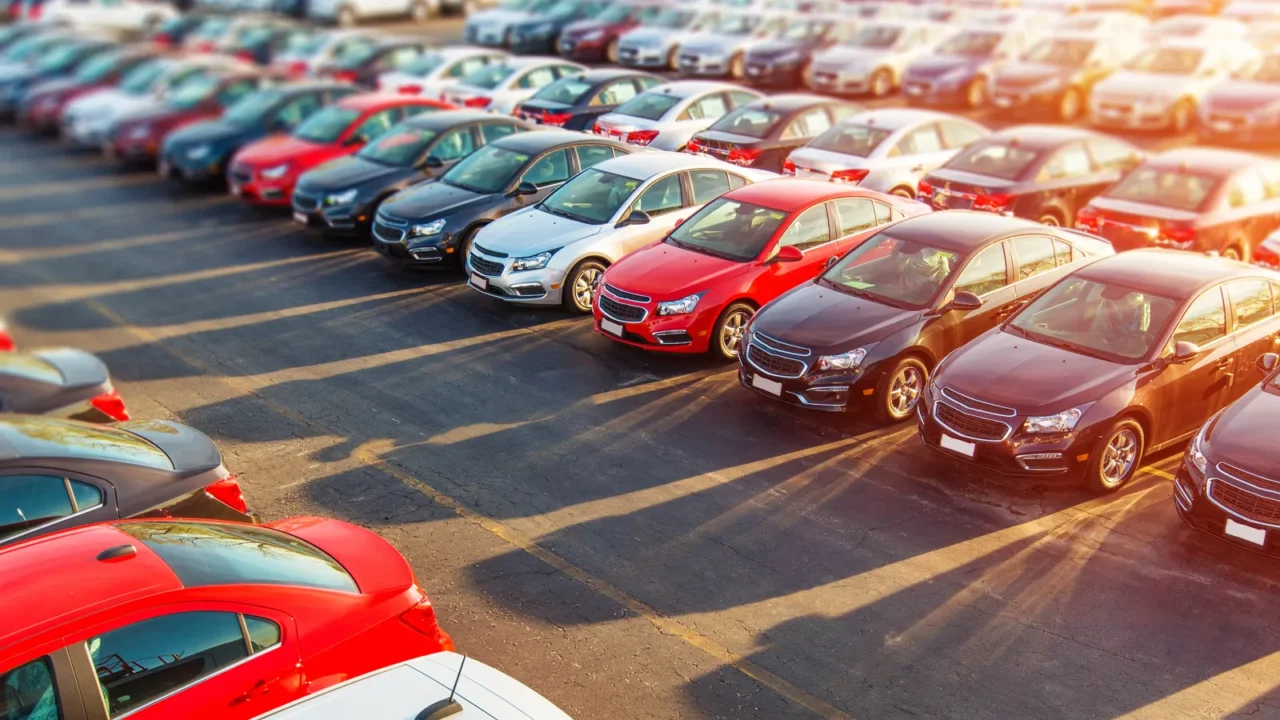
Shot of dealer new cars stock.

Why leaders support the plan

Supporters argue that roads need funding regardless of the power of the car, since maintenance and repairs are ongoing.

Gas drivers pay through fuel taxes, so lawmakers believe EV owners should contribute when using public chargers, especially for long-distance travel. This approach ensures fair sharing of infrastructure costs.

Charging station for electric cars in winter.

Worries from clean energy groups

EV advocates warn that such fees could slow electric vehicle adoption by making clean driving feel less affordable, particularly for families and younger buyers.

They point out that EVs already offer savings on fuel and maintenance while reducing pollution, and adding extra costs at public charging stations could discourage potential buyers, nudging them back toward conventional gas-powered vehicles rather than supporting the transition to cleaner transportation.

Porsche charging station lounge bingen am rhein power

Public chargers serve many people

Public charging isn’t just for long trips; it’s a daily necessity for people living in apartments, condos, or shared housing without home charging.

Rideshare and delivery drivers also rely on fast chargers to keep their vehicles on the road. Introducing a tax on these chargers could directly impact these workers, increasing their daily operating costs and affecting those who already spend long hours driving for a living.

Cropped view of a toy car on a stack of coins.

Small fees can add up fast

A three-cent-per-kilowatt-hour fee may seem minor, but frequent use of public fast chargers can add up to high yearly costs.

Drivers who depend heavily on these chargers may notice higher monthly electricity expenses, while those who primarily use home charging setups are likely to see little to no impact. Over time, small per-charge fees can influence charging habits and overall EV operating costs.

Tax concept with coins.

Gas taxes are losing power

As more vehicles become electric or highly fuel-efficient, traditional gas taxes generate less revenue for road maintenance and infrastructure projects. In response, states are exploring modern funding systems that better align with new vehicle technologies.

This shift is reshaping how transportation is financed in the electric age, ensuring roads remain safe and well-maintained while adapting to changes in how Americans power and use their vehicles.

An man driving.

Everyday driving may change

Drivers may begin planning trips with an eye toward cheaper charging stations, home charging availability, and slower but more affordable options.

Drivers may adjust road trips and daily routines to manage charging costs and availability. Over time, such adjustments may make electric vehicle use more strategic, balancing convenience, cost, and efficiency in everyday driving decisions.

Showroom ford new cars.

EV growth is still rising

Electric vehicles have grown in popularity in recent years, even as adoption rates can vary by region, incentives, and pricing.

Despite the introduction of new taxes, the transition to electric cars continues, driven by the appeal of cleaner energy, reduced maintenance costs, and quieter, more pleasant driving experiences.

Americans are embracing EVs for both environmental benefits and practical advantages, signaling that the shift toward electrified transportation is well underway.

Close up view of tesla woman driver holding steering wheel.

Fairness is the real debate

The central issue is fairness, ensuring that all road users contribute appropriately to maintenance and infrastructure costs. Drivers want to keep travel affordable, while states require sufficient funding to maintain and improve roads.

Balancing these priorities is a complex challenge that impacts every type of vehicle, from gas-powered cars to electric vehicles, and will shape how transportation policy evolves in the coming years.

Modern electric vehicle charging station with a car parked in the background.

New ideas for road funding

Some experts propose shifting road funding to a mileage-based system rather than relying on fuel type. Under this approach, drivers would contribute according to how much they use the roads, regardless of whether their vehicles run on gasoline or electricity.

This model aims to create a fairer, more equitable system that ensures all drivers share the costs of maintaining infrastructure in proportion to their actual road usage.

Wondering what Mercedes’ City Street Driver Assistance can actually do on U.S. roads? Check out the full story for all the key insights.

Tesla model 3 running on road.

Roads, drivers, and the future

This proposal highlights how transportation is evolving as new technologies change how people travel and navigate their daily lives. As electric vehicles and modern infrastructure become more common, governments face growing pressure to adapt funding systems.

Finding the right balance between paying for road maintenance and keeping driving affordable will be crucial. How this balance is managed will strongly influence how smoothly and fairly America builds its electric transportation future for everyday drivers.

Looking for the ideal camper van for your adventures? Check out our guide to the most stylish and comfortable options available today.

This slideshow was made with AI assistance and human editing.

Don’t forget to follow us for more exclusive content right here on MSN.

Read More From This Brand:

Was this helpful?
Thumbs UP Thumbs Down
Prev Next
Share this post

Send feedback to evsmarts


    We appreciate you taking the time to share your feedback about this page with us.

    Whether it's praise for something good, or ideas to improve something that isn't quite right, we're excited to hear from you.