Was this helpful?
Thumbs UP Thumbs Down

Pandemic-era car markups left some buyers trapped in expensive auto loans

Close-up of car loan application with car key and dollar banknote.
Cars at dealership

Pandemic-era car deals created a new financial problem

During the vehicle shortage from 2020 to 2022, many buyers faced an unusual market in which demand far exceeded available inventory. Semiconductor shortages and supply chain disruptions reduced production, leaving dealerships with fewer vehicles and customers competing for a limited supply.

As inventory disappeared, some dealerships added extra charges known as market adjustments, dealer adjustments, or additional dealer markups (ADM) above the manufacturer’s suggested retail price.

The problem did not end when the buyer drove away. Those higher purchase prices were often financed through auto loans, meaning many customers continued paying for inflated vehicle values years after market conditions changed.

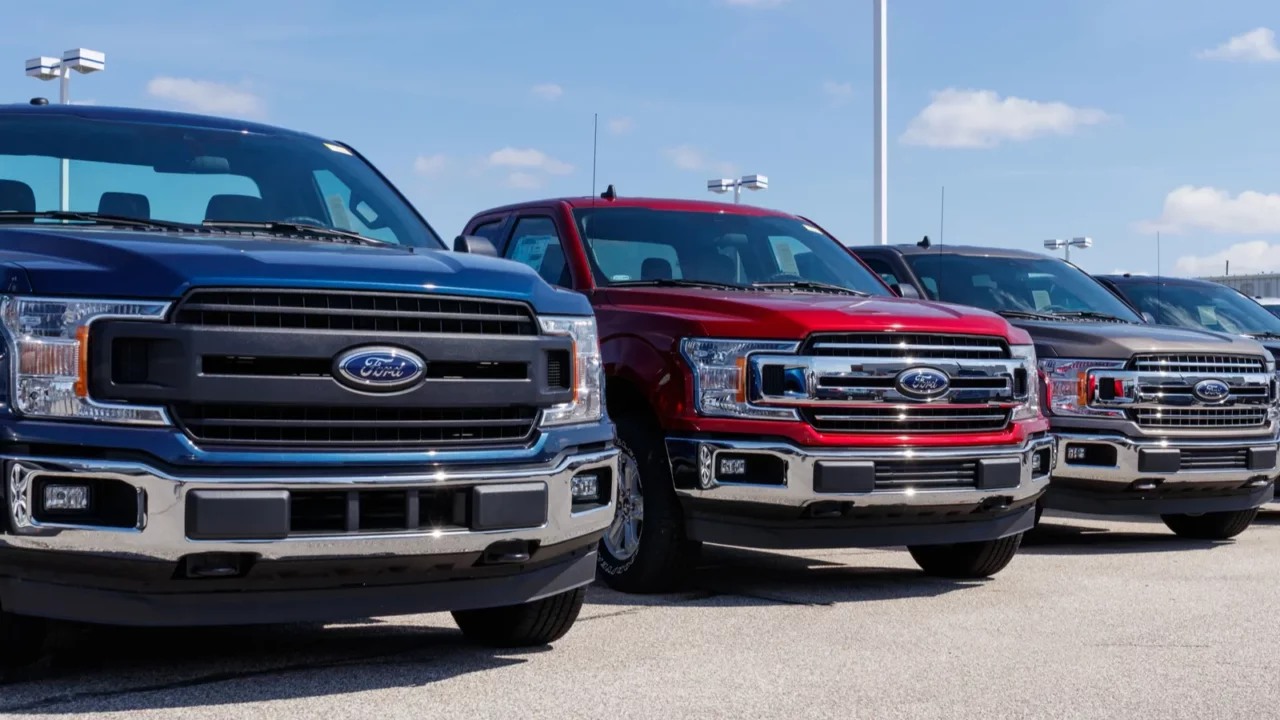
Shot of Ford F-150 on the display.

Markups pushed popular vehicles far above sticker prices

High-demand models such as the Ford F-150, Toyota RAV4, Toyota Tundra, Chevrolet Silverado, and other trucks and SUVs became symbols of the shortage-era pricing environment.

Some customers paid thousands of dollars above MSRP because dealerships had limited inventory and strong demand. In addition to direct markups, many buyers were offered expensive dealer-installed products.

These included protection packages, paint coatings, extended warranties, nitrogen tire services, window tinting, and vehicle protection plans, all of which increased the final purchase price.

Cropped view of young guy thinking about buying car.

Depreciation exposed the gap between price and value

When vehicle supply began to improve, prices started to adjust. Some heavily marked-up vehicles, trucks, and electric vehicles experienced significant depreciation as discounts returned and market demand changed.

A buyer who paid $65,000 for a truck due to a large markup could later discover the vehicle might be worth only $45,000 or $50,000. However, the remaining loan balance could still be much higher.

This creates negative equity, meaning the owner owes more on the loan than the vehicle is worth. The issue is not that every buyer faces extreme losses, but some shortage-era purchases created unusually large gaps.

Cropped view of a person's hand counting cash while buying a car.

Record prices changed how Americans financed cars

During the shortage period, average new-vehicle transaction prices climbed sharply, reaching nearly $50,000 by the end of 2022. Buyers also faced limited inventory and fewer lower-priced options as supply remained constrained.

Some consumers chose longer loan terms, including 72- and 84-month financing, to reduce monthly payments. While longer loans can lower the monthly bill, they increase total interest costs and can slow the process of building positive vehicle equity.

The risk appears when a vehicle loses value faster than the loan balance decreases. A buyer may still owe a substantial amount even after the vehicle’s market value has fallen.

Close-up of the seller's hands with keys and the buyer after the transaction.

Negative equity traps owners during trade-ins

Many owners discover the problem when they attempt to sell or trade in their vehicle. If the trade-in value is lower than the remaining loan balance, the difference becomes negative equity.

For example, if a vehicle is worth $35,000 but the owner still owes $45,000, there is a $10,000 gap that must be paid or handled through another financial arrangement.

Dealers may offer to “pay off” the old loan, but the unpaid amount is often added to the next vehicle loan. This creates a larger balance on the new purchase instead of eliminating the original debt.

Close-up of car loan application with car key and dollar banknote.

Rolling debt creates a cycle of larger loans

When negative equity is transferred from one vehicle to another, buyers start the next purchase already behind. The new loan includes both the cost of the new vehicle and the remaining debt on the previous vehicle.

This can lead to higher monthly payments, more interest charges, and a longer period before the owner has positive equity.

The cycle becomes more difficult if the replacement vehicle also depreciates quickly. Instead of reducing debt, some buyers continue to carry over previous losses into future purchases.

Ford logo

Why Ford, Toyota, and Chevy vehicles are often mentioned

Ford, Toyota, and Chevrolet are frequently discussed because they produce some of the most popular trucks and SUVs in America. These vehicles were among the models that experienced strong demand and significant markups during the shortage.

The Ford F-150, Chevrolet Silverado, Toyota Tundra, and Toyota RAV4 became examples of vehicles for which buyers sometimes paid premium prices amid limited availability.

The issue is not limited to these brands. However, because these companies sell such high volumes of popular vehicles, their customers represent a large share of the broader market trend.

Selective focus of car keys near agreement and glass of water.

The financial impact goes beyond the vehicle itself

Being deeply underwater on a car loan can limit an owner’s choices. Selling the vehicle may require bringing cash to cover the remaining loan balance.

Some owners become financially committed to keeping a vehicle they no longer want because replacing it would increase their debt.

High monthly payments can also affect household budgets. Industry data has shown that negative equity has become increasingly common among trade-ins, with many borrowers carrying thousands of dollars in unpaid vehicle value.

Chevy Silverado EV trucks on the road

Some buyers carry unusually large amounts of negative equity

Most underwater borrowers do not owe tens of thousands of dollars more than their vehicles are worth, but five-figure negative equity has become increasingly common. Edmunds reported that 27% of underwater trade-ins in Q4 2025 carried at least $10,000 in negative equity, while 9.2% carried more than $15,000.

Rapid depreciation can worsen the gap between a vehicle’s market value and its outstanding loan balance. Electric vehicles have experienced particularly high depreciation overall, although individual vehicles and borrowers can have very different outcomes.

The size of the financial gap depends on factors including the purchase price, down payment, loan term, interest rate, depreciation and when the owner decides to sell or trade the vehicle.

Cropped view of a person signing a deal.

Longer loans increased the risk for many buyers

Longer financing terms helped many consumers manage expensive purchases during the shortage, but they also created additional risks. A seven-year loan on a rapidly depreciating vehicle can leave the borrower owing money after the vehicle has lost significant value.

Experts often recommend that buyers carefully consider loan length, total interest costs, and whether the vehicle price matches their financial situation before signing a contract.

Shot of cars parked at the showroom.

The auto market faces a broader affordability challenge

The negative equity problem reflects a larger issue in the automotive industry: vehicles became significantly more expensive while many consumers relied on financing to keep payments manageable.

High vehicle prices, longer loan terms, and changing market values created financial pressure for some households. Although the market has moved away from the extreme shortages of the pandemic years, the effects of those buying decisions continue to impact owners today.

Car buyer impressed with car details.

Experts recommend avoiding the negative equity cycle

Consumer advocates recommend comparing a vehicle’s current market value with the remaining loan payoff before making a trade decision.

If a buyer is underwater, waiting and paying down the existing loan may sometimes cost less than rolling that debt into another vehicle loan. Buyers can also reduce risk by comparing financing offers, avoiding unnecessary add-ons and focusing on the total cost of the loan rather than only the monthly payment.

For another EV affordability update, see why Washington launched a $112 million incentive program to help businesses and fleet operators purchase qualifying zero-emission commercial vehicles and equipment.

Washington launches a $112 million effort to help businesses transition to EVs, underscoring why public support still matters when high fuel prices aren’t enough to move buyers on their own.

Cars in the parking lot

The shortage-era deals continue affecting buyers today

The vehicle shortage created an unusual period when some buyers paid historically high prices for cars, trucks, and SUVs. As market conditions changed, some owners found that their remaining loan balances exceeded their vehicles’ current values.

Not every buyer who purchased during the shortage faces serious financial problems. Down payments, loan terms, purchase prices, interest rates, and depreciation all help determine whether a borrower develops negative equity.

The experience shows why understanding total vehicle costs, financing terms and resale value matters. A lower monthly payment can come with a longer loan term and substantially higher total interest costs.

China’s BYD expands in South America with new EVs in Argentina, showing how lower-cost EV options are spreading abroad while U.S. buyers still wait for more affordable choices.

Should buyers who are underwater on their car loans keep the vehicle and pay down the balance, or trade it in and roll the negative equity into a newer car?

Don’t forget to follow us for more exclusive content right here on MSN

If you liked this, you might also like:

This slideshow was made with AI assistance and human editing.

Was this helpful?
Thumbs UP Thumbs Down
Prev Next
Share this post

Lucky you! This thread is empty,
which means you've got dibs on the first comment.
Go for it!

Send feedback to evsmarts


    We appreciate you taking the time to share your feedback about this page with us.

    Whether it's praise for something good, or ideas to improve something that isn't quite right, we're excited to hear from you.