
JarekKilian/Depositphotos
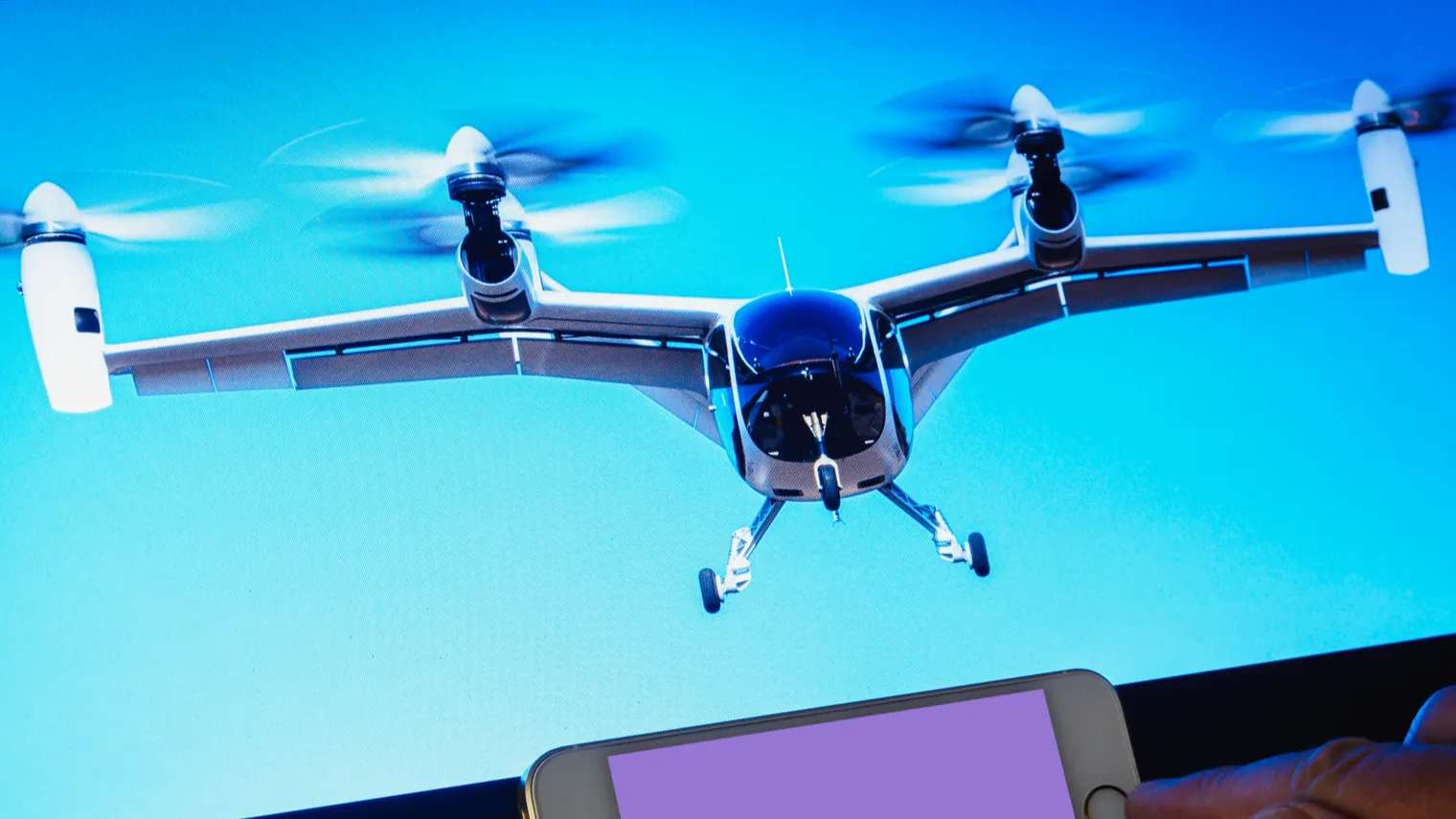
A piloted electric air taxi just crossed New York
An electric air taxi recently flew across New York City with a pilot aboard, marking a public test of how battery-powered aircraft could work in dense urban airspace. The flight was not a regular passenger service. It was a demonstration meant to show that electric vertical takeoff and landing aircraft, also called eVTOL aircraft, can operate near one of America’s busiest city centers.
For commuters, the big promise is faster trips over traffic. For regulators, the bigger question is safety, noise, and control. The flight gives the industry a real-world example, but it is still only an early step toward everyday air taxi service.

jetcityimage2/Depositphotos
New York’s heliports could become air taxi hubs
New York City is preparing its city-owned heliports for a different kind of aviation future. Downtown Skyport, formerly the Downtown Manhattan Heliport, and the East 34th Street Heliport are being upgraded to support electric aircraft operations after FAA certification. That matters because air taxis need more than aircraft to succeed.
They need places to land, recharge, board passengers, and connect safely with city streets. New York’s existing heliports give companies and public agencies real-world sites to test those needs. The shift also shows that infrastructure may be as important as the aircraft themselves in making electric air travel practical.

chrisdorney/Depositphotos
The FAA pilot program is shaping early air taxi tests
The FAA’s electric aircraft pilot program provides companies with a controlled way to test new aircraft before public service begins. The program is designed to collect safety, noise, traffic, and operating data from real locations rather than relying solely on lab models or closed test sites.
That is important because city flying creates special challenges, including crowded airspace, nearby buildings, and public concern about sound. New York has become a major proving ground because it already has helicopter routes, busy travel demand, and a visible waterfront heliport. These tests help regulators learn how eVTOL flights may fit into existing aviation rules.

kropic/Depositphotos
Electra wants hybrid aircraft on short U.S. routes
Electra has outlined a plan to use its hybrid-electric EL9 aircraft on thousands of short-haul routes across the United States. The company’s idea is not focused only on crowded city centers. It also looks at regional trips where driving takes too long and commercial flights are limited or missing.
The EL9 is designed to combine electric propulsion with hybrid range, giving it a different role than a short city-hop air taxi. Electra says this type of aircraft could serve many point-to-point routes that are poorly covered today. The concept is ambitious, but the aircraft still needs development, approval, and scaled production.

snehitdesign/Depositphotos
NASA and industry research point to regional travel gaps
NASA and industry research suggest advanced aircraft could help close regional travel gaps, especially on trips that are too long to drive comfortably and too poorly served by traditional air service. NASA’s Regional Air Mobility work highlights how thousands of public-use airports remain underused even though travelers still need faster local and regional connections.
A smaller aircraft that can use short runways or compact access points could help fill some of those gaps. The biggest value would likely come on inconvenient regional trips where travelers now drive for hours, connect through large hubs, or skip the trip altogether. That makes the opportunity broader than just downtown air taxi rides.

thaisign/Depositphotos
Ultra-short takeoffs could widen possible launch sites
The EL9 concept is built around ultra-short takeoff and landing, which could make more locations usable for air service. Electra has identified possible launch areas, including rooftops, parking lots, open fields, and other small spaces. That design matters because building a large airport is expensive, slow, and difficult near cities.
If aircraft can operate from smaller sites, communities may have more choices for regional travel. Still, those locations would need safety zones, passenger access, charging or fueling support, and local approval. The aircraft’s short-field ability is promising, but it does not remove the need for careful planning, testing, and site rules.

arvydele.gmail.com/Depositphotos
Point-to-point flights could cut hours from trips
Electric and hybrid-electric aircraft could make some trips faster by avoiding major airports and highway congestion. Electra’s market analysis identifies hundreds of routes with potential time savings of more than 3 hours, especially where travelers now lose time driving to large airports, making connections, or sitting in traffic.
A point-to-point model could move people closer to where they start and where they need to go. The value still depends on route distance, access to landing sites, ticket price, and reliability. Faster aircraft alone will not help if ground access remains slow or expensive.

MininyxDoodle/Depositphotos
Underserved cities may benefit before big commuters
Regional markets with weak flight options may see early value from new electric aircraft. Many short routes are too small for major airlines, too slow by car, or too costly to serve with traditional aircraft. Hybrid-electric designs could offer a middle path by carrying smaller groups between useful local points.
That could help business travelers, medical systems, university towns, tourism areas, and communities far from major airports. The New York air taxi test grabbed attention, but regional travel may become just as important. These aircraft could succeed first where the problem is clear: people need better links, but current options are limited.

Katerina Elagina/Depositphotos
Certification remains the biggest gate before service
No air taxi or hybrid-electric route plan can become routine without aircraft certification. Regulators must review design, flight controls, batteries, motors, backup systems, pilot training, maintenance, and emergency procedures. That process is slow because passenger aircraft must meet strict safety standards before people can buy tickets.
Demonstration flights help prove progress, but they do not replace formal approval. Companies must also demonstrate that their aircraft can operate safely repeatedly, not just once during a public test. Until certification is complete, the public should treat these flights as trials. Commercial launch dates depend on regulatory approvals, test results, and aircraft readiness.

svitlanahulko85.gmail.com/Depositphotos
Vertiport networks will decide how useful taxis are
An air taxi service needs a network of vertiports and heliports, not just a single landing site. A single hub can support demonstrations, but regular passenger service requires multiple safe, connected locations across a city or region. Each site must handle takeoffs and landings, charging, passenger flow, emergency planning, and ground access.
New York’s heliport network, including Downtown Skyport and other Manhattan facilities, is an important starting point, but a full network would be a much larger project. Without enough connected sites, air taxis are likely to remain limited to select routes and premium use cases.

Katerina Elagina/Depositphotos
Public agencies and aircraft makers are teaming up
New York’s testing push includes partnerships between public agencies and several advanced-aircraft companies. The Port Authority has worked with names such as Archer, BETA Technologies, Electra, and Joby Aviation as the city explores electric flight operations. These partnerships matter because no single company can build the whole system alone.
Aircraft makers bring designs and technology, while public agencies control airports and heliports, set rules, and coordinate locally. Working together allows tests to examine more than the aircraft. Teams can study passenger flow, charging needs, route planning, emergency response, and how new flights interact with existing helicopter and airport traffic near the city.

aa-w/Depositphotos
Joby’s Blade deal adds routes and real customers
Joby Aviation completed its acquisition of Blade’s passenger business in August 2025, giving it access to established terminals, operating know-how, and a built-in customer base in markets such as New York. That matters because an eVTOL company can enter the market more quickly when it already has lounges, booking systems, and passenger demand in place.
The deal does not guarantee a rapid rollout of electric air taxis. It does show how companies are combining new aircraft with existing travel networks and customer behavior as they prepare for service after certification.
Curious which cars can make New York City commuting easier and less stressful? Explore the top picks designed for urban driving and daily practicality.

thaisign/Depositphotos
Noise and community approval could slow expansion
Community support will be a major test for electric air taxis and hybrid-electric aircraft. Even if electric aircraft are quieter than many helicopters, people may still worry about frequent flights over homes, schools, parks, and offices. Cities will need clear information about sound levels, flight paths, operating hours, and safety procedures.
Public acceptance could shape where vertiports are allowed and how many flights can run each day. A technically successful aircraft can still face delays if neighborhoods oppose it. That is why pilot programs collect noise and operations data before large-scale service. The future depends on trust as much as technology.
See how Saudi Arabia is becoming a testing ground for electric air taxis and what this could mean for the future of regional transportation.
Would you trust an electric air taxi to skip New York traffic and cut your commute time, or would you rather keep your feet on the ground? Share your thoughts in the comments and give this post a like if you’d try the future of urban air travel.
Don’t forget to follow us for more exclusive content right here on MSN
Read More From This Brand:
This slideshow was made with AI assistance and human editing.

 Last updated: September 14, 2026




Lucky you! This thread is empty,
which means you've got dibs on the first comment.
Go for it!