Was this helpful?
Thumbs UP Thumbs Down

Mazda says EV tunnel vision misses bigger emissions picture

Mazda logo
Shot of Mazda car dealership.

Mazda challenges the EV craze

Mazda is pushing back against the idea that electric cars are the only way to fight climate change. While many automakers accelerate toward full electrification, Mazda argues that focusing only on EVs can obscure other important emissions and lifecycle issues.

The company believes real progress means looking at the full picture, not just what comes out of the tailpipe. Mazda aims to achieve meaningful carbon neutrality, not just quick fixes.

By rethinking how energy is generated, utilized, and recycled, Mazda aims to reduce emissions in smarter, more balanced ways that make a lasting, long-term impact on the planet.

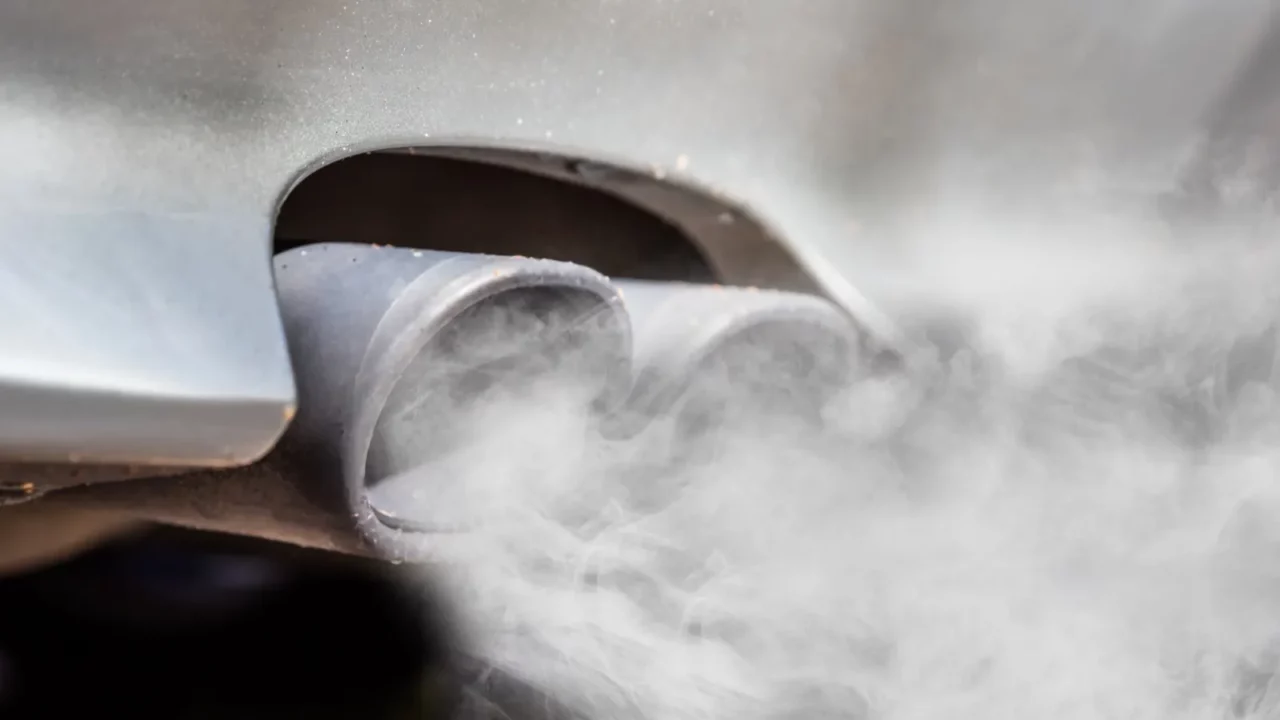
Exhausting pipes on car

The problem runs deeper than exhaust

Mazda executive Jeff Guyton told journalists at the 2025 Japan Mobility Show that ‘zero tailpipe’ claims miss the full lifecycle picture. Electric cars may not pollute while driving, but their production and charging still create large amounts of CO₂.

Guyton believes the car industry needs to face those hidden emissions honestly. He argues that real sustainability starts long before the car hits the road. From mining battery metals to manufacturing and energy use, Mazda wants every step counted when measuring what’s truly clean and what’s just clever marketing.

Mazda logo

Thinking ‘well-to-wheel’

Mazda promotes a “well-to-wheel” perspective, evaluating emissions from energy production through a vehicle’s life and disposal. This broader lifecycle view reveals that EVs are not entirely emissions-free when manufacturing and electricity sources are considered.

Recent ICCT and IEA analyses show BEVs have the lowest life-cycle GHG of major powertrains; one 2025 ICCT study finds 73% lower life-cycle emissions for BEVs vs. gasoline in Europe. Mazda argues that recognizing the full lifecycle impact is essential for making real progress on climate change.

Cropped view of several new cars at the dealership.

Are we racing down the wrong road?

Mazda thinks the electric car rush might be sending the industry in the wrong direction. Governments are setting strict EV targets, and automakers are pouring billions into batteries. However, Mazda warns that chasing trends too quickly could blind us to more effective solutions.

By focusing solely on EVs, we risk missing out on innovations such as biofuels, carbon capture, and hybrid systems. Mazda’s message is clear: the future of clean driving shouldn’t rely on a single technology. It should come from a mix of ideas working together to cut emissions more quickly and effectively.

coal burning power plant with smoke stacks moscow russia

Power plants still pollute

Electric cars depend on electricity, but where that power comes from matters. In many places, the energy used to charge EVs still comes from coal or natural gas. Mazda cautions that benefits depend on the electricity mix; nonetheless, life-cycle studies show BEVs still outperform ICE, even on dirtier grids, and improve as grids decarbonize.

Until power grids rely mostly on renewable sources like solar and wind, EVs can’t reach their full potential. Mazda believes that improving both vehicles and energy systems simultaneously is what will lead to real progress, rather than merely relocating emissions from one place to another.

Shot of cars parked at distribution.

Giving old cars a second life

Mazda points out that, with approximately 1.6 billion vehicles worldwide, transitioning entirely to EVs will take many decades and require substantial investment. Instead of waiting for full replacement, Mazda supports making existing cars cleaner using carbon-neutral fuels made from plants or algae.

This would enable current gasoline vehicles to operate with a lower environmental impact, offering faster emissions reductions without requiring every driver to purchase a new EV or every region to build extensive charging infrastructure.

algae

Turning Algae into fuel

Mazda reports lab-scale progress in converting microalgae into a prototype biofuel. Mazda highlights its lab-scale microalgae progress, for example, a 1,000-liter tank can yield roughly 400 grams of lipids over two weeks under favorable conditions, an early, small-scale proof of concept.

It’s still in development, but the potential is huge, a fuel that cuts emissions and utilizes natural carbon absorption to combat pollution simultaneously.

Concept depicting the issue of carbon dioxide emissions

Driving that cleans the air

Mazda showed a prototype ‘Mobile Carbon Capture’ device that draws CO₂ from the exhaust stream while driving; early coverage cites up to 20% capture under test conditions. The captured carbon can then be reused for purposes such as farming or building materials.

Imagine driving a car that not only avoids pollution, but also removes it. Mazda’s goal is to make carbon capture practical for everyday vehicles. This kind of innovation could change how we think about driving altogether, turning cars from part of the problem into part of the solution.

Mazda car company logo on dealership.

The vision X-Coupe breakthrough

Mazda’s Vision X-Coupe isn’t your average concept car. It combines plug-in hybrid power with algae-based fuel and carbon capture technology. Mazda says it can even “clean the air” while you drive, thanks to the renewable fuel it runs on.

According to Mazda’s press release, the VISION X-COUPE concept targets 510 PS, 160 km electric-only range, and up to 800 km combined range from its twin-rotor rotary turbo PHEV system.

It’s Mazda’s answer to the electric obsession, a hybrid that’s innovative, stylish, and focused on the full carbon story, not just what’s at the tailpipe.

Mazda logo

Choosing balance over buzzwords

While most brands rush to declare themselves “fully electric,” Mazda is choosing a more balanced approach. It’s not against EVs; it just wants the transition to be smarter and more sustainable. Mazda believes balance will cut emissions faster than hype ever could.

The company’s leaders say real environmental progress means using every available tool: hybrids, renewable fuels, clean power, and efficient engines. By focusing on the full energy picture, Mazda is betting that patience and smart strategy will win over blind speed.

Close up view of a hybrid car logo.

Hybrids keep options open

Mazda isn’t ignoring electric power; it’s combining it with gas engines in smarter ways. Its new plug-in hybrids, like the Vision X-Compact, are designed to deliver both electric efficiency and traditional reliability.

Drivers get long range and fewer emissions without worrying about charging on every trip. Mazda believes that these kinds of flexible solutions will help more people switch to cleaner cars more quickly, bridging the gap between the old and new worlds of driving. It’s not about picking sides; it’s about progress that fits real life.

Want to see how they really compare on the road? Follow the link for the full breakdown.

Concept of eco friendly car, green, sustainable

Redefining what ‘Green’ means

Mazda aims to redefine what constitutes a “green” car. It’s not just about going electric; it’s about lowering emissions everywhere, from the factory floor to the fuel pump. That means measuring total energy use and impact, not just tailpipe numbers.

As Jeff Guyton said, “Using less energy in some form, well, that’s sensible.” Mazda’s message is simple but bold: true sustainability takes creativity, patience, and honesty. In a world racing toward the next big thing, Mazda is proving that slowing down and thinking smarter might be the most environmentally friendly move of all.

Want to dive deeper? Check out the full story at the link and see why it’s turning heads.

Read More From This Brand:

Don’t forget to follow us for more exclusive content right here on MSN.

If you liked this article, you’ll LOVE our free email newsletter.

This slideshow was made with AI assistance and human editing.

Was this helpful?
Thumbs UP Thumbs Down
Prev Next
Share this post

Send feedback to evsmarts


    We appreciate you taking the time to share your feedback about this page with us.

    Whether it's praise for something good, or ideas to improve something that isn't quite right, we're excited to hear from you.