7 min read
I know it looks like 3YD but it’s actually BYD it stands for Build Your Dreams
7 min read

Kia has issued a major safety recall affecting over 250,000 K5 sedans due to a potentially dangerous fuel tank malfunction. The company initiated the action after discovering serious mechanical issues that could lead to fire hazards under specific driving conditions.
This recall targets 2021–2024 model-year vehicles equipped with the 1.6-liter turbocharged engine, which may develop a critical defect in the purge control system check valve.

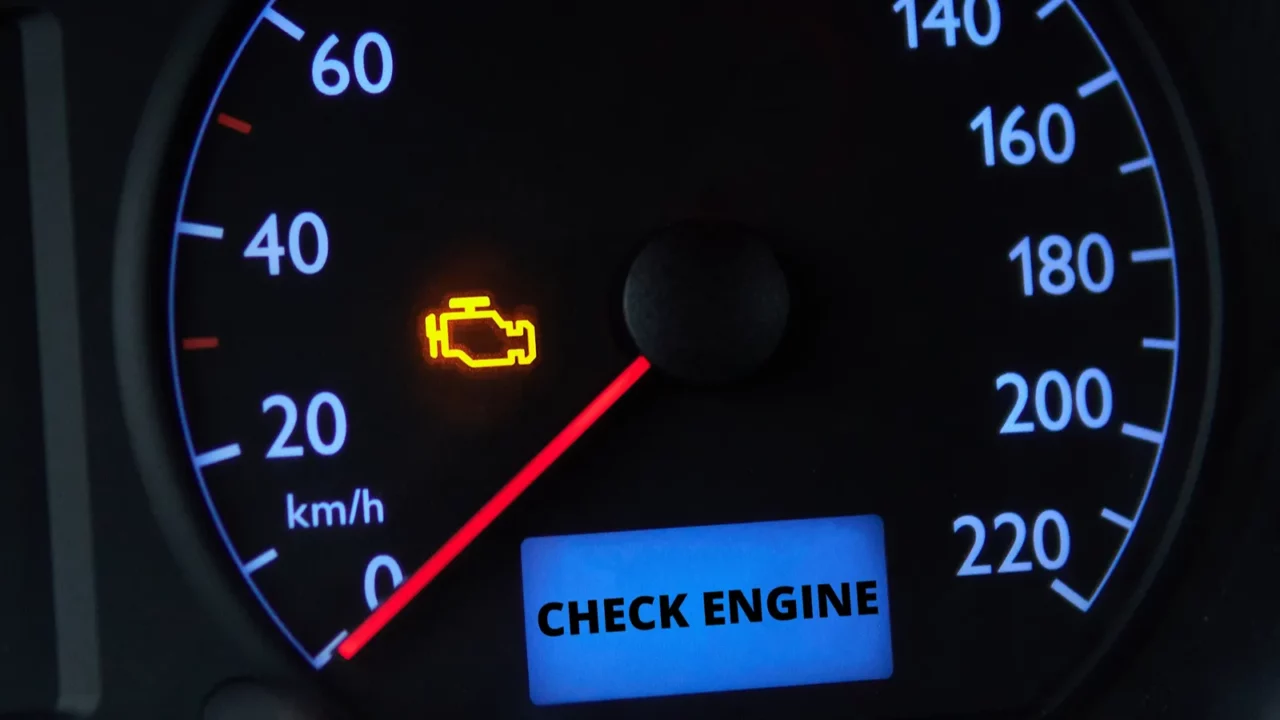
Kia’s safety team first detected the potential problem after reviewing a customer warranty complaint involving a gasoline odor, fuel leakage, and an illuminated check engine warning light. The affected vehicle was originally intended for official inspection, but Kia was unable to secure access before the investigation continued.
Because the originally reported car was unavailable, engineers turned to service records to identify patterns or other complaints. This process eventually uncovered another reported incident involving melting around the fuel tank area, prompting deeper inspection and more detailed testing of the system.

Once engineers evaluated the second vehicle, they found localized melting near the exhaust system and evidence of escaping fuel. This observation prompted Kia to conduct laboratory tests that replicated the conditions leading to the failure, ensuring they understood the physical mechanisms behind the reported damage.
These evaluations proved successful in recreating the fuel tank inflation under controlled conditions, verifying that internal system failure could cause excessive pressure. This finding confirmed not only the defect but also its ability to produce severe consequences without warning for vehicle owners.

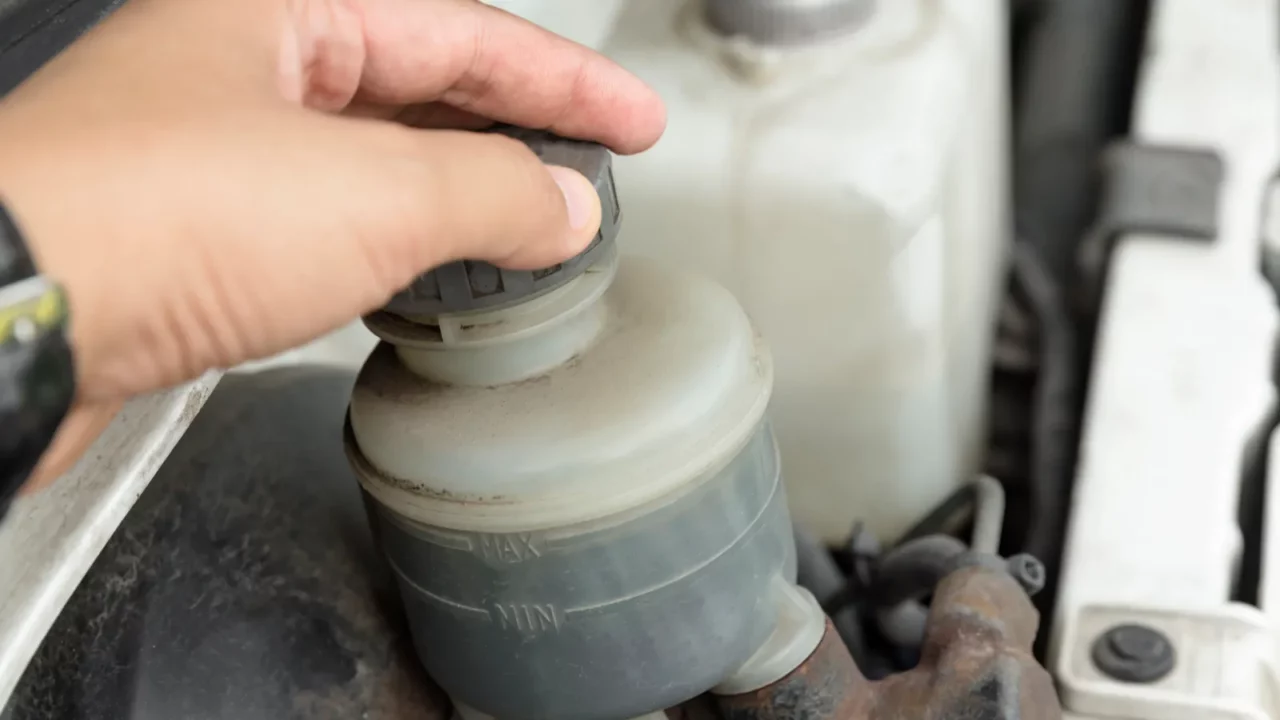
The core problem centers on the purge control system check valve, which manages the evaporation of fuel vapors and routes them through controlled channels. When functioning correctly, this system ensures emissions compliance and promotes efficient powertrain operation through effective vapor management.
However, a fault in the valve can cause engine intake pressure to push air directly into the fuel tank. Instead of cycling vapor to the engine, the system forces external pressurized airflow into the tank, causing it to expand beyond safe operational tolerances.

The fuel tank in affected Kia K5 models is constructed from plastic, allowing for structural flexibility that enables expansion when internal pressure builds. During a malfunction, the tank can physically inflate like a balloon, pushing outward in areas not designed for mechanical stress during normal operating conditions.
This expansion can reduce clearance and bring the tank dangerously close to the hot exhaust pipe. Sustained contact or heat exposure can melt the surface material, causing deformation, creating openings, and ultimately leading to fuel leaks that pose severe safety risks.

Leaking fuel alone poses significant danger, but the pressurized environment created by the malfunction dramatically increases the severity. If vapor or liquid fuel is expelled while the system remains under pressure, the result may lead to ignition or fire due to contact with surrounding heat sources.
Even without flames, escaping fuel presents environmental hazards, property damage concerns, unpleasant vehicle odors, and potential drivability issues.

According to CarBuzz, the recall includes 250,547 Kia K5 sedans manufactured between 2021 and 2024 with the 1.6-liter turbocharged engine. However, models equipped with the performance-oriented 2.5-liter turbo engine in GT trims are not affected, as the system design in those versions differs structurally.
Kia reports that, while no fires or injuries have been reported yet, twenty vehicles have exhibited signs of leakage associated with the defect. The early identification of these cases allowed the company to expand testing, validate repair procedures, and communicate action plans before additional failures occurred.

Dealership inspections will determine whether each vehicle requires replacement components or a full tank assembly change. At a minimum, technicians will install an improved purge control system check valve to prevent pressurized airflow from moving into the tank interior under any operating condition.
Vehicles that display heat damage or melting will receive entirely new fuel tank assemblies. Additionally, Kia plans to update the engine control software, ensuring better diagnostics, enhanced emissions monitoring, and improved long-term management of vapor flow and pressure regulation.

Kia indicates that customers may detect early signs of developing system failure before severe structural damage occurs. Among the most noticeable indicators are sudden fuel odors, rough or unstable engine operation, or an illuminated check engine light that signals onboard diagnostics detecting unusual behavior.
In more serious cases, drivers might hear a popping sound from the tank as pressure forces surfaces to deform. The company encourages owners not to ignore these symptoms, as immediate inspection significantly reduces potential risks and prevents the development of hazardous conditions.

Kia identified the issue after a customer complaint in early September 2025; the defect was formally identified in November 2025. Kia’s internal investigation escalated quickly as engineers reviewed data logs, warranty details, and mechanical patterns to determine whether the issue represented isolated cases or systemic hardware failure affecting large production volumes.
Once testing confirmed the valve malfunction and the expansion behavior could be reproduced under laboratory conditions, Kia determined the issue warranted official recall escalation.

This recall highlights the importance of monitoring emission control components that perform background tasks without driver awareness.
Systems that handle fuel vapor management remain largely invisible during daily operation, yet play critical roles in vehicle safety. A seemingly minor valve failure can trigger widespread consequences when components deep within the system malfunction under pressure.

The incident highlights the growing complexity of engineering involved in modern powertrains, particularly those designed to meet stringent global emission regulations.
For consumers, the recall serves as a reminder of the importance of responding quickly to safety notices. Early repairs not only prevent damage but also play a role in ongoing data gathering that helps manufacturers maintain safe fleets for the entire market.
Discover what automakers are cutting from vehicles and why it could change your driving experience.

Public filings and reports cite 20 Kia tank-leak cases and no related crashes, injuries, or fatalities. By voluntarily executing a broad recall before widespread failures occur, the company demonstrates responsible corporate conduct and respect for its customer base.
Moving forward, the brand will monitor affected vehicles, collect service data, and refine component reliability. Improvements to the purge control system and ECU programming are expected to help minimize the likelihood of similar issues arising in future production cycles.
Want to see how EV growth is spreading beyond North America? Check out how Chinese automakers are shaking up Brazil’s electric car market.
Would this Kia recall affect your confidence in ownership? Share your thoughts in the comments!
Read More From This Brand:
Don’t forget to follow us for more exclusive content right here on MSN
This slideshow was made with AI assistance and human editing.
We appreciate you taking the time to share your feedback about this page with us.
Whether it's praise for something good, or ideas to improve something that
isn't quite right, we're excited to hear from you.