Was this helpful?
Thumbs UP Thumbs Down

GM, Ford, and Stellantis face a record-low U.S. market share as fuel-efficient rivals gain ground

Ford Mustang All-Electric SUV Charging
GM headquarters.

Automakers face a major shift as car buyers change course

The U.S. auto market is changing as more buyers look for hybrids and fuel-efficient vehicles. Ford and General Motors are facing pressure because their lineups offer fewer hybrid options than those of several Asian competitors.

Industry forecasts suggest both companies could lose market share as consumer demand moves toward vehicles that balance lower fuel costs with new electric technology.

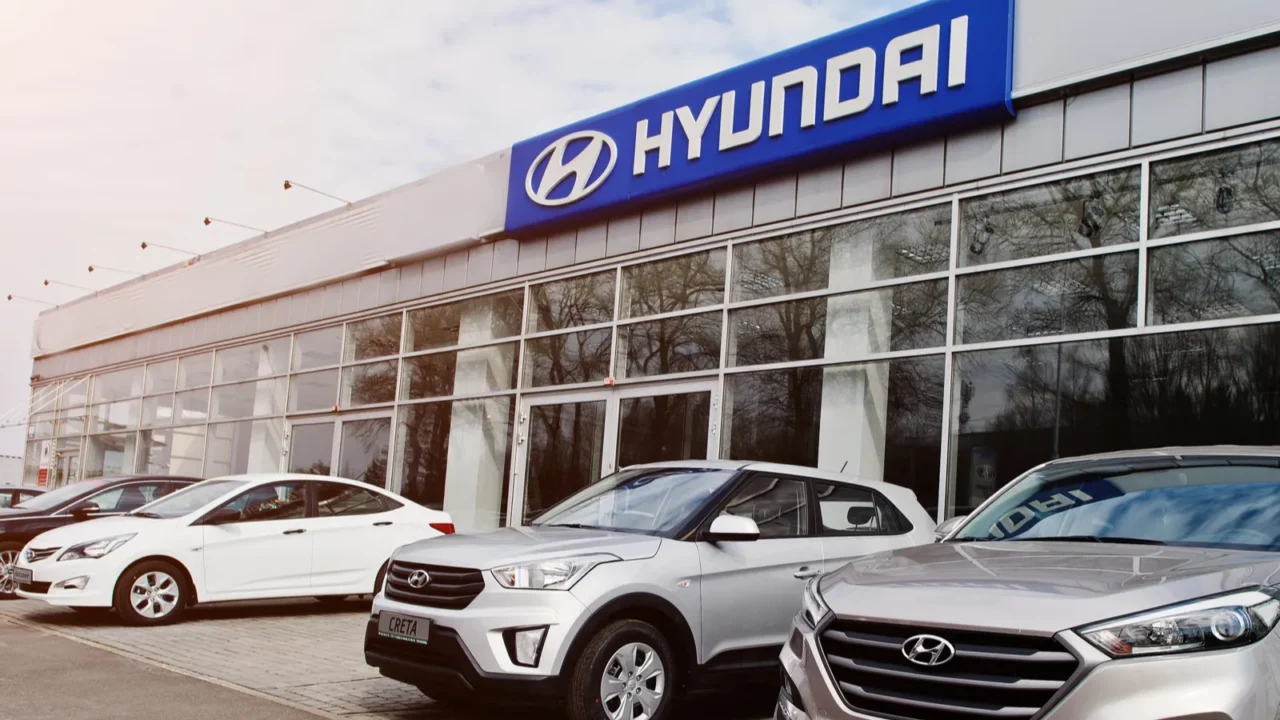
Hyundai dealership.

Hyundai and Kia could challenge Ford’s sales position soon

Hyundai and Kia are expected to gain ground in the U.S. market as their hybrid offerings attract more customers. Forecasts indicate the two brands combined could surpass Ford in quarterly sales for the first time.

The shift reflects a broader change in buyer preferences, with many drivers considering fuel savings and efficiency when choosing their next vehicle.

Ford stocks

Ford’s market share is expected to decline through Q3

Cox Automotive forecasts that Ford sales could drop 8.8% year-to-date through the third quarter. The expected decline would reduce Ford’s U.S. market share to about 12.5%.

Analysts point to growing interest in hybrids and efficient vehicles as one factor affecting Ford’s position, especially as competitors expand their electrified vehicle choices across multiple segments.

Sign of General Motors on the building of Canadian Technical centre in Oshawa, Ontario, Canada.

GM faces pressure with limited hybrid choices available

General Motors is also projected to see weaker sales results this year. Cox Automotive estimates GM sales could fall 6.2%, lowering its market share from 17.4% to 16.7%.

Unlike many competitors, GM has offered very few traditional hybrid options in the U.S. market, which may limit choices for customers who want better fuel economy without going fully electric.

Ford Mustang All-Electric SUV Charging

Electric vehicle demand faces pressure after incentive changes

Electric vehicle demand has faced new challenges following changes to federal EV incentives. Ford and GM continue selling electric models such as the Mustang Mach-E and Chevrolet Equinox EV, while many buyers are showing increased interest in hybrid vehicles.

The shift has increased attention on hybrids because they offer improved fuel efficiency without requiring drivers to rely entirely on charging infrastructure.

DONT USE

Ford lost a key fuel-efficient crossover option

Ford previously competed in the compact crossover market with the Escape, one of its more fuel-efficient models. The company discontinued the Escape, reducing its presence in a segment where many buyers are seeking practical and efficient vehicles.

As hybrid demand increases, fewer choices in popular categories could create challenges for automakers trying to maintain customer interest.

Stellantis office building

Detroit automakers face their lowest combined share forecast

The three major Detroit automakers, Ford, GM, and Stellantis, are projected to hold about 36% of the U.S. market through the third quarter. That would represent their lowest combined share in the period tracked by Cox Automotive.

While Stellantis is expected to improve its position, Ford and GM face stronger competition from brands with broader selections of hybrid and fuel-efficient vehicles.

Toyota dealership.

Asian brands benefit from wider hybrid vehicle lineups

Asian automakers have expanded their advantage by offering more hybrid and fuel-efficient vehicles. Companies such as Toyota, Hyundai, and Kia offer customers multiple options across various price points and vehicle types.

Their broader selections allow buyers to choose efficient vehicles without fully switching to electric cars, aligning with current consumer preferences.

Toyota logo on a phone

Toyota expands electrified choices across popular models

Toyota is increasing its focus on electrified vehicles by offering the 2026 RAV4 lineup with hybrid and plug-in hybrid powertrains. The company’s strategy reflects the growing demand for vehicles that reduce fuel consumption while retaining familiar driving features.

Toyota’s expanded hybrid approach has helped it compete effectively as buyers seek alternatives to traditional gasoline-only vehicles.

Shot of Hyundai showroom.

Hyundai builds a stronger hybrid lineup for buyers

Hyundai has expanded its hybrid vehicle offerings with models such as the Elantra Hybrid, Tucson Hybrid, and Santa Fe Hybrid. This approach gives customers more choices across several vehicle categories, from compact cars to family SUVs.

The company’s growing hybrid lineup positions it to benefit from drivers seeking improved efficiency without switching completely to electric vehicles.

Fuel pump nozzels at gas station

New fuel rules could change automakers’ future plans

New U.S. fuel economy standards could give automakers more flexibility in planning future vehicle lineups. The Transportation Department finalized lower fuel economy standards on Sept. 28, 2026, revising previous requirements for passenger cars and light trucks.

The updated rules could influence how companies balance electric, hybrid, and gasoline-powered vehicles in response to regulations, fuel prices, and customer demand.

Ford sign.

Ford and GM may adjust strategies under new standards

Changes in fuel economy rules could influence how Ford and GM balance electric, hybrid, and gasoline vehicles. More flexible standards may allow automakers to continue producing larger vehicles while adjusting their electrification plans.

However, customer demand will remain an important factor as buyers continue comparing fuel costs, technology, and vehicle availability.

Car insurance rates are rising again as drivers in 32 states face higher premiums due to repair costs and claims, highlighting another ownership expense that adds pressure beyond fuel and maintenance.

Cropped view of a person filling gas in his car.

Fuel prices could influence future vehicle buying trends

Fuel prices remain a major factor influencing consumer decisions in the U.S. Higher fuel costs have historically increased interest in hybrids and efficient vehicles.

As automakers plan future lineups, changes in gasoline prices and household budgets could shape demand for different vehicle types and determine which strategies succeed in the changing market.

Trump’s plans to cut fuel economy standards, which could lower car prices but raise fuel costs, show why future efficiency rules matter when drivers are already expecting gasoline expenses to rise.

Would GM, Ford, and Stellantis losing U.S. market share change which automakers you consider?

Don’t forget to follow us for more exclusive content right here on MSN

If you liked this, you might also like:

This slideshow was made with AI assistance and human editing.

Was this helpful?
Thumbs UP Thumbs Down
Prev Next
Share this post

Send feedback to evsmarts


    We appreciate you taking the time to share your feedback about this page with us.

    Whether it's praise for something good, or ideas to improve something that isn't quite right, we're excited to hear from you.