Was this helpful?
Thumbs UP Thumbs Down

Corolla includes lane assist as Model Y paywalls Autosteer

Shot of Toyota Corolla on the road.
Shot of many Tesla electric cars.

Toyota Corolla challenges Tesla’s feature strategy

For years, Tesla has been known for putting advanced technology into relatively mainstream vehicles. Features like Autosteer and Full Self-Driving helped create the impression that Tesla vehicles offered more advanced driver assistance than those from traditional automakers.

However, the balance is changing. Recent changes to Tesla’s Model Y lineup have moved some previously available driver-assistance features into paid packages, resulting in a less expensive Toyota Corolla now including certain standard assistance features that the base Model Y does not.

The comparison highlights a larger debate in the automotive industry: should advanced vehicle technology be included with the purchase price, or should manufacturers increasingly offer features through subscriptions and paid upgrades?

Shot of Toyota Corolla.

The Corolla’s value comes from standard safety technology

The Toyota Corolla has traditionally competed by offering affordability, reliability, and practical features rather than cutting-edge technology. But modern versions have significantly expanded their standard driver-assistance equipment.

Toyota’s safety systems include adaptive cruise control, lane assistance, automatic high beams, and road sign recognition, depending on the market and trim level. These technologies are designed to help drivers maintain safer control during everyday driving.

Because these systems are standard equipment on many Corolla models, the compact sedan has become an example of how affordable vehicles can still offer advanced safety technology without requiring expensive upgrades.

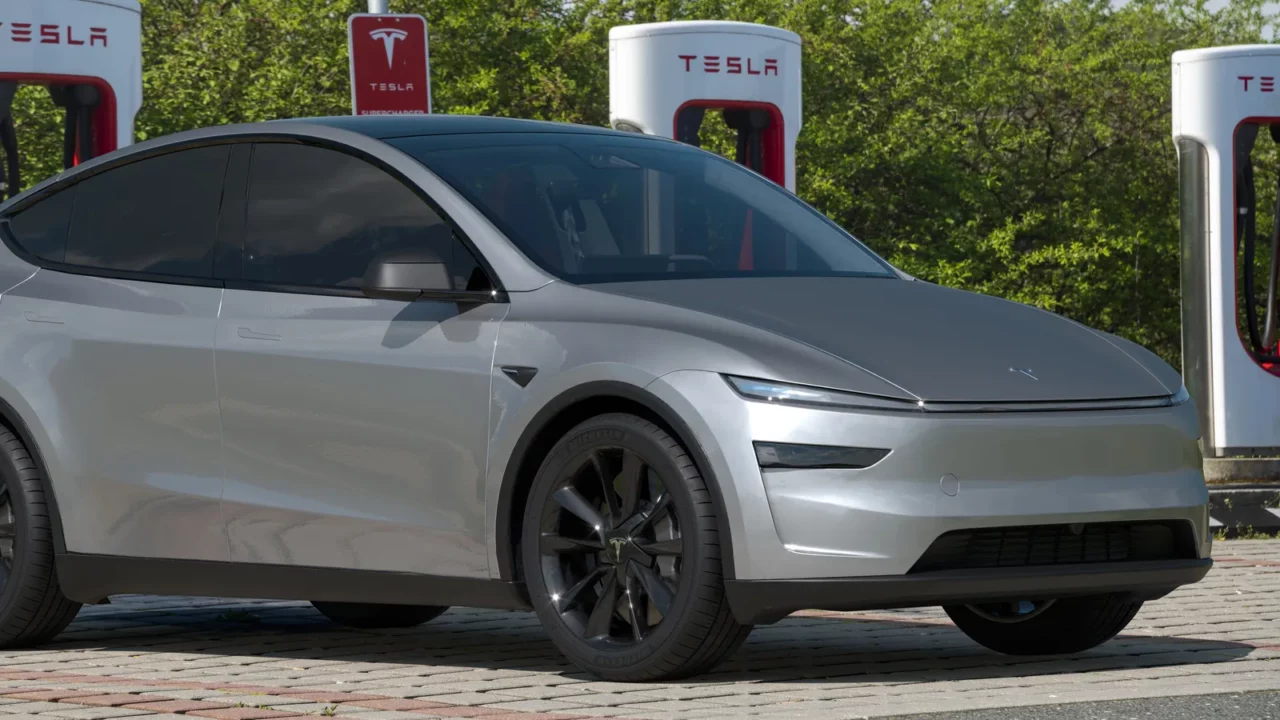
Tesla Model Y at charging station.

Tesla’s Model Y once had a stronger technology advantage

Tesla built much of its reputation around software-driven vehicle features. The Model Y became popular because buyers received a combination of electric performance, frequent software updates, and advanced driver-assistance capabilities.

The vehicle offered features such as Autosteer, which helped keep the car centered in lanes using cameras and software processing. Tesla also offered Full Self-Driving capability as a premium option, with additional functions such as automatic lane changes and traffic-aware navigation.

This technology helped Tesla stand apart from traditional manufacturers, but the company’s approach has changed as it focuses more on subscription-based revenue.

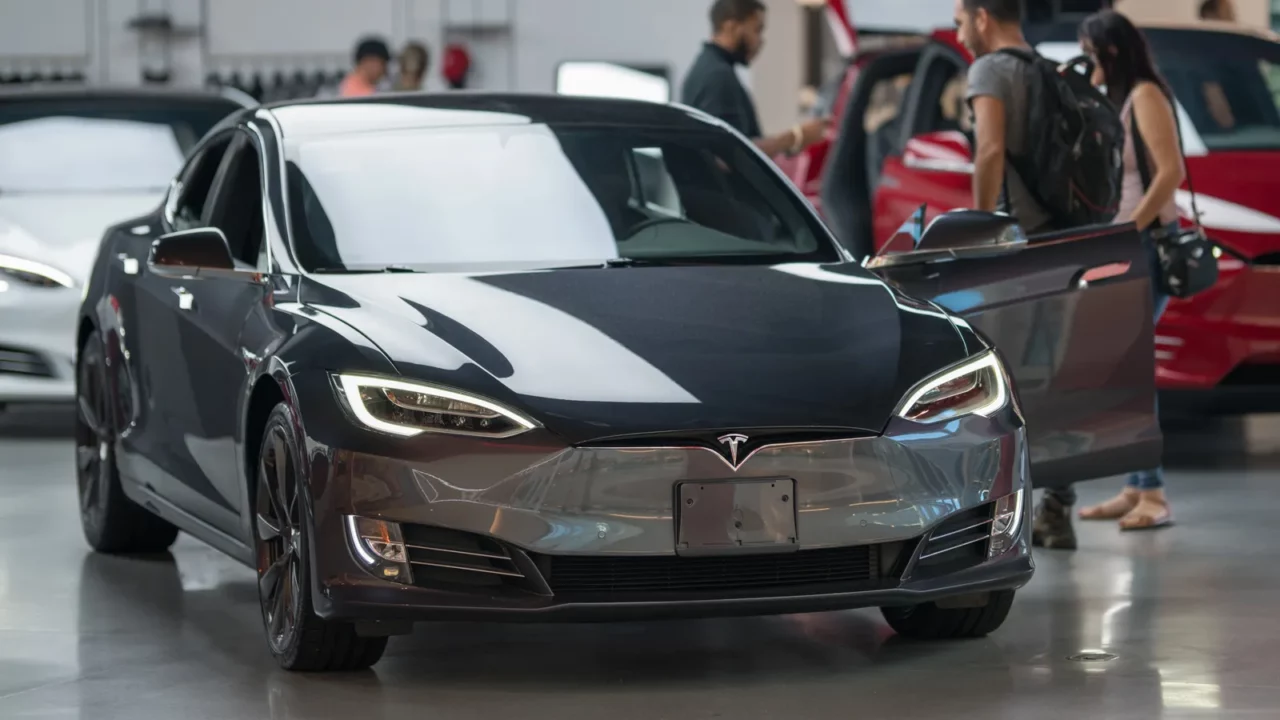
Tesla Model 3 in the mall.

Tesla moved more assistance features behind payment plans

Tesla’s recent strategy has shifted some driver-assistance capabilities away from standard equipment and into the Full Self-Driving package.

The change means buyers of newer Model 3 and Model Y vehicles may need to subscribe to access certain advanced driving functions that were previously associated with Tesla’s standard Autopilot experience.

This creates an unusual comparison: a traditional gasoline-powered compact car like the Corolla can offer some active safety assistance as standard. At the same time, a much more expensive electric SUV may require additional payment for similar capabilities.

Shot of Toyota Corolla on the road.

The difference is not about having more technology overall

The Corolla having more standard driver-assistance features than the base Model Y does not mean it is a more advanced vehicle in every category.

Tesla continues to offer sophisticated software systems, a large electric-vehicle ecosystem, and advanced autonomous driving development. The Model Y also offers benefits in electric power, charging infrastructure, and connected-vehicle technology.

The comparison is specifically about which driver-assistance tools are included at the starting price, not which vehicle has the most advanced technology overall.

Cropped view of a person's hand counting cash while buying a car.

Subscription-based features are becoming common in cars

The automotive industry is increasingly experimenting with subscription models for vehicle features. Manufacturers view recurring payments as a means to generate additional revenue after the initial vehicle sale.

Supporters argue that subscriptions allow buyers to pay only for features they want while keeping base vehicle prices lower.

Critics argue that customers may feel they are paying extra for hardware and capabilities that already exist inside the vehicle. The debate has become one of the biggest discussions surrounding modern software-defined cars.

Tesla driving on the road on Autopilot mode.

Tesla’s Full Self-Driving strategy reflects a new business model

Tesla’s Full Self-Driving system represents a different approach from that of traditional automakers. Instead of treating driver assistance as a fixed feature package, Tesla continues to develop evolving software.

The company has promoted the idea that future software improvements could make existing hardware more capable. Newer Tesla vehicles include updated camera systems designed to support future improvements.

However, customers with older hardware versions have raised concerns about whether they will receive the same future capabilities as newer vehicles.

Toyota Corolla GR.

Corolla buyers get simplicity without feature barriers

One reason the Corolla remains successful is that it focuses on straightforward ownership. Buyers generally understand what equipment they receive when purchasing the vehicle.

The car does not rely on unlocking major safety functions through monthly payments. Instead, Toyota’s approach has traditionally emphasized the inclusion of practical features as part of the standard ownership experience.

For many buyers, especially those focused on affordability, having important safety technology available immediately may be more valuable than having optional futuristic features behind a subscription.

Young guy thinking about buying car.

The automotive industry is changing how buyers view cars

Vehicles are increasingly becoming technology platforms rather than only transportation products. Software updates, connected services, driver assistance, and digital subscriptions are changing the relationship between manufacturers and owners.

The Corolla represents the traditional approach: provide useful features up front and compete through value. Tesla represents a newer approach: build advanced hardware and expand capability through software over time.

Tesla logo on a phone

Tesla argues software creates long-term value

Tesla’s business model is based heavily on software development. The company believes vehicles can improve after purchase through updates, similar to smartphones and computers.

This approach allows Tesla to continue adding functions without requiring customers to buy a completely new vehicle.

However, the same strategy creates questions about pricing, ownership rights, and whether important features should remain accessible after a customer purchases the vehicle.

Close-up of a woman counting money.

Price competition is becoming about features, not only engines

For decades, car comparisons focused mainly on fuel economy, horsepower, reliability, and comfort. Today, buyers increasingly compare digital features, driver assistance systems, connectivity, and upgrade options.

A compact sedan like the Corolla competing with an electric SUV like the Model Y shows how vehicle categories are changing. Features once reserved for premium cars are now appearing in affordable vehicles.

Cropped view of young guy thinking about buying car.

The future may depend on customer acceptance

Automakers will continue exploring ways to generate revenue from software and connected services. The success of these strategies will depend on whether customers believe the added value justifies ongoing payments.

If buyers prefer simple ownership with included features, vehicles like the Corolla may remain attractive. If customers value constantly improving software, Tesla’s approach may continue gaining interest.

Elon Musk warned Tesla shorts would lose, but they had $9B in 2026 gains after the July selloff, showing how Tesla’s political controversy has unfolded alongside growing pressure on its stock and investor sentiment.

Toyota Corolla GR sport at display.

The Corolla shows that affordability still matters

The comparison between the Corolla and Model Y highlights an important shift in the automotive market. Tesla helped popularize advanced vehicle software, but traditional automakers are adding more safety technology to affordable models.

The future of automotive competition may be about not only who creates the most advanced technology, but also who delivers the best balance among innovation, ownership costs, and everyday usefulness.

France accuses Tesla of lying about its full self-driving features, highlighting a separate regulatory challenge as the company expands beyond cars into humanoid robots.

Should advanced driver-assistance features be included as standard equipment, as they are in the Toyota Corolla? Please let us know in the comments!

Don’t forget to follow us for more exclusive content right here on MSN

If you liked this, you might also like:

This slideshow was made with AI assistance and human editing.

Was this helpful?
Thumbs UP Thumbs Down
Prev Next
Share this post

Send feedback to evsmarts


    We appreciate you taking the time to share your feedback about this page with us.

    Whether it's praise for something good, or ideas to improve something that isn't quite right, we're excited to hear from you.