Was this helpful?
Thumbs UP Thumbs Down

Comparing the 2026 Porsche Cayenne Electric and 2026 BMW iX

Shot of BMW iX.
aachen germany march 2017 porsche sign close up on a

Porsche meets BMW in EV battle

The 2026 Porsche Cayenne Electric and BMW iX are making big waves in the electric SUV world. Both look amazing, pack plenty of tech, and offer strong performance, but each approaches things differently.

If you care about speed, luxury, or smart tech, knowing the differences can help you pick the right ride. These SUVs aren’t just vehicles; they’re statements about style, comfort, and what modern EVs can really do.

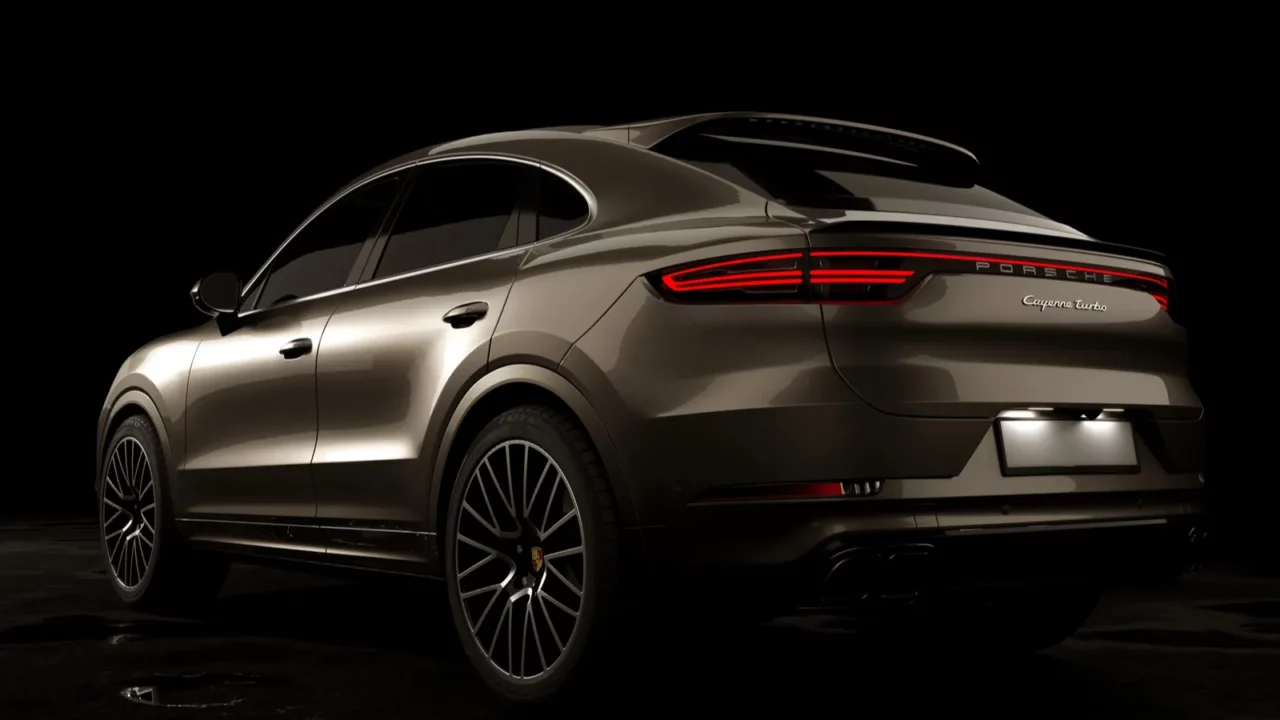
Rear view of Porsche Cayenne in the dark room.

Cayenne Turbo packs serious power

The Cayenne Turbo Electric reaches 60 mph in just 2.4 seconds. Its top trim produces 1,139 horsepower, giving the BMW iX a real challenge in acceleration and raw speed.

Even the base Cayenne matches the entry-level iX, but the Turbo model stands out in its own class. If you love thrilling performance, Porsche’s numbers show what an electric SUV can truly achieve.

Shot of BMW iX.

BMW iX is no slouch

BMW’s iX trims deliver strong power with outputs from 402 to 650 horsepower. The fastest version reaches 60 mph in 3.6 seconds, an impressive time for an electric SUV.

While it isn’t as extreme as the Cayenne Turbo, the iX still offers a smooth and capable ride. BMW pairs solid performance with a lower starting price, making it more accessible for everyday buyers who still want luxury and speed.

Cropped view of an electric vehicle battery charger at a charging station.

Fast charging matters

Porsche’s Cayenne Electric can charge at up to 400 kW, taking just 16 minutes to go from 10% to 80%. That means less waiting and more driving time for long trips.

iX DC fast-charges at up to 195 kW, typically about 30–35 minutes (10–80%), versus the Cayenne’s <16-minute claim under ideal conditions. An optional 11 kW inductive home charger is planned, with availability no earlier than the second half of 2026 (market-dependent).

Sunset on the road

Range to keep you moving

Porsche quotes up to 642 km (399 miles) WLTP (EPA not yet published). BMW iX xDrive60 is EPA-rated up to 364 miles. Both can handle most daily trips and longer drives without worry.

Even with real-world driving differences, these SUVs offer enough range for weekend adventures or cross-country trips. Modern EV technology has largely eliminated range anxiety, allowing drivers to enjoy long journeys without frequent stops.

Porsche cayenne closeup

Interiors take different approaches

The Cayenne Electric cabin is bold, featuring a curved OLED Flow Display and an optional passenger screen. It seamlessly blends digital flair with physical controls, creating a modern, high-tech feel.

BMW keeps things sleek and simple with a minimalist Curved Display. Both feel premium, but Porsche is flashy while BMW focuses on elegance and clean, easy-to-use controls for everyday driving comfort.

Software development, internet, network technology concept.

Porsche’s tech feels futuristic

The Porsche Cayenne offers advanced features such as adaptive lighting, touch-sensitive controls, and a passenger display for enhanced interaction. Tech enthusiasts will enjoy the interactive, futuristic cabin.

BMW’s iX tech is understated but functional. It prioritizes usability over showiness, making it intuitive and straightforward for drivers who want smart features without overwhelming options.

Porsche logo

Customization goes big with Porsche

Porsche offers nearly limitless options for the Cayenne, including exterior colors, interior materials, wheels, and accent packages. Drivers can make their SUV truly unique.

You can take it further with special details, such as painted key fobs or custom console scripts. While these upgrades come at a high price, Porsche gives buyers the freedom to create a one-of-a-kind vehicle, perfect for those who want personalization and exclusivity in their electric SUV.

Close-up of BMW logo.

BMW offers affordable choices

BMW also allows personalization, including exterior colors, interior trims, and various packages. The process is simpler and more affordable than Porsche’s extensive customization options.

Options are often bundled for convenience, making it easy to add features without incurring a significant expense. For buyers seeking luxury, technology, and style at a more affordable price, the iX presents a smart alternative to Porsche’s high-cost, heavily customizable models.

Toy car model with price tag on a gray background

Price tags tell a story

The base BMW iX starts at about $75,000, while the base Cayenne Electric begins at $109,000. The Turbo Cayenne pushes the price even higher to $163,000, reflecting its high performance and luxury features.

Budget-conscious buyers will likely lean toward BMW. Porsche offers top-tier performance, technology, and customization, but every extra upgrade comes at a premium. Choosing between them comes down to whether you value ultimate speed and features or prefer a more affordable, capable electric SUV.

An image of a Speedometer.

Performance vs. comfort

Porsche emphasizes thrilling acceleration and sharp handling. Its tuned suspension and launch control make daily driving sporty and responsive, even on regular streets.

BMW focuses on comfort, smooth cruising, and a quiet cabin by providing seats that are supportive, and long trips are easy on the body. The iX strikes a balance between solid performance and a more relaxed ride, offering drivers an enjoyable blend of capability and comfort for everyday driving.

why it matters question text on card concept background

Charging convenience matters

The Cayenne Electric’s ultra-fast charging means shorter stops and longer adventures. Wireless charging adds futuristic convenience for home use, making daily life easier.

BMW’s iX requires longer charging sessions, which may slightly slow down long trips. Still, both SUVs are practical for commuting, errands, and weekend getaways, just at different speeds. Drivers can pick what works best for their routines and travel style.

Love the thrill of a true driver’s car? Don’t miss the BMW M2 CS proves BMW is keeping the driver’s car legacy alive.

Shot of highway traffic

Range and practicality combined

Both SUVs provide ample range for U.S. drivers, covering 300–400 miles per charge. This makes daily commutes, weekend adventures, or longer road trips easy and stress-free.

Interior space and storage are generous in both models. Families and frequent travelers will appreciate spacious cabins, practical layouts, and electric performance, combined with sufficient flexibility to carry people and gear comfortably.

Curious to know which cars outside BMW still feature its powerhouse V8? Find out in 10 non-BMW cars that are powered by BMW’s legendary V8 engines.

Love learning about the latest cars and EVs? Share your thoughts below or hit like to stay in the loop.

Read More From This Brand:

Don’t forget to follow us for more exclusive content right here on MSN

If you liked this story, you’ll LOVE our FREE emails. Join today and be the first to get stories like this one

This slideshow was made with AI assistance and human editing.

Was this helpful?
Thumbs UP Thumbs Down
Prev Next
Share this post

Send feedback to evsmarts


    We appreciate you taking the time to share your feedback about this page with us.

    Whether it's praise for something good, or ideas to improve something that isn't quite right, we're excited to hear from you.