7 min read
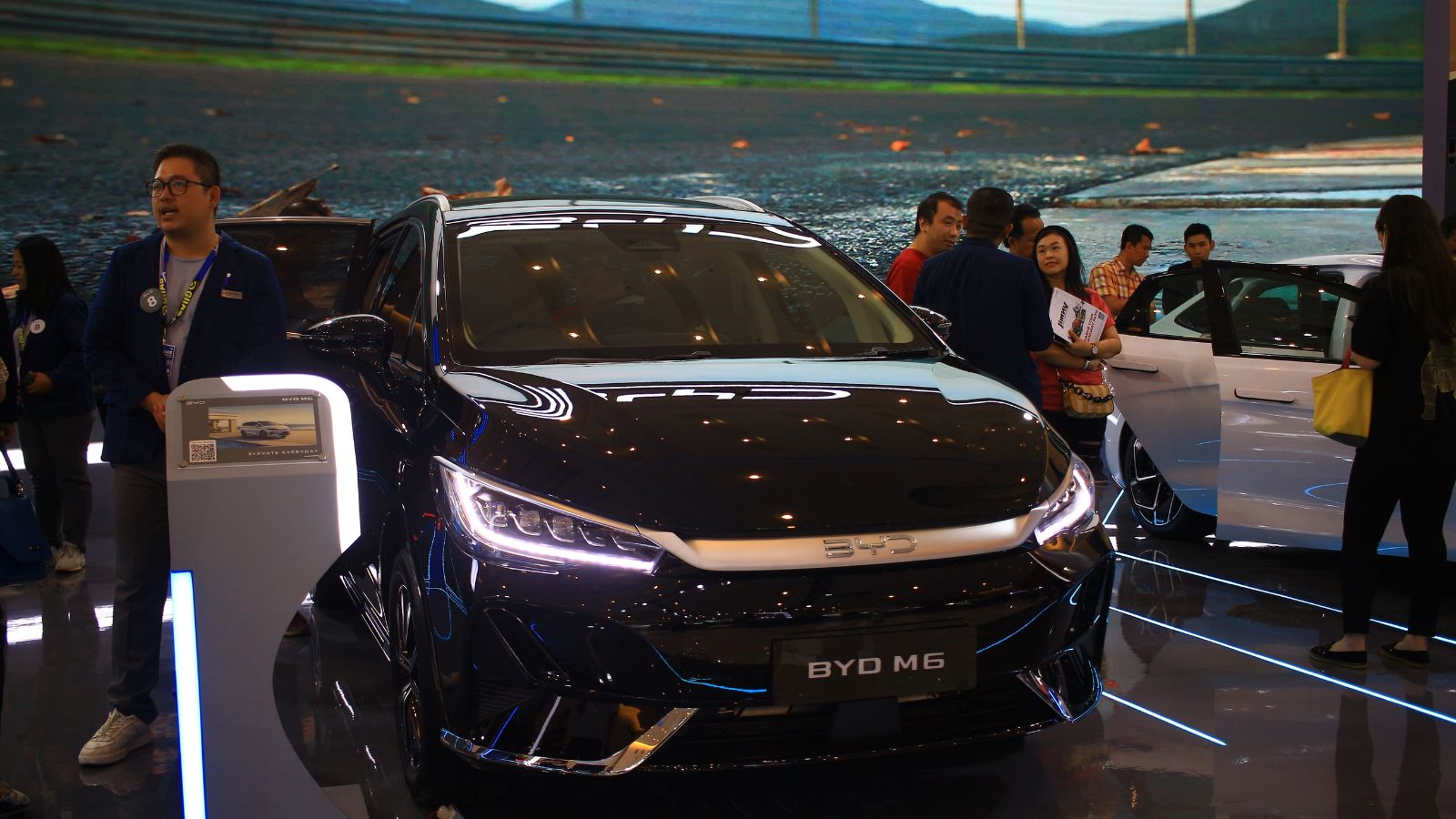
I know it looks like 3YD but it’s actually BYD it stands for Build Your Dreams
7 min read

Chinese electric vehicles (EVs) are no longer just a domestic success story; they’re hitting global highways with full force. These cars drive significant market share from Europe to Southeast Asia and even the Middle East.
Their aggressive pricing, sleek designs, and cutting-edge tech are catching consumers’ attention worldwide. Could your next EV come from China? The odds are growing stronger by the day.

BYD (Build Your Dreams) has emerged as the world’s top EV manufacturer by volume, overtaking traditional powerhouses like Tesla. In 2024, BYD sold over 4 million new energy vehicles, with hundreds of thousands shipped overseas.
The company is setting up global factories and delivering compact, affordable EVs such as the Dolphin and Seagull, which challenge the notion that electric cars must come with premium price tags.

Many Chinese EVs are significantly cheaper than their Western counterparts, making them attractive options for budget-conscious buyers. Some models, like the BYD Seagull, retail for under $10,000, an unheard-of price in most global markets.
These competitive costs are turning heads, especially in developing regions and among first-time EV buyers, changing the perception of what an affordable, quality electric car can be.

Zeekr, a brand under Geely, is taking on the luxury EV market with models like the Zeekr 001. Known for long-range capabilities and cutting-edge interiors, Zeekr is rolling out in Europe, Israel, and Australia.
With plans to launch in Japan and South Korea, the brand aims to challenge Tesla and Mercedes-Benz by offering high-tech features at more accessible prices.

Leapmotor has entered into a significant partnership with global auto giant Stellantis to bring its EVs to Europe. Leapmotor International began operations in Europe in September 2024, with plans to expand to other regions in the fourth quarter.
This collaboration is crucial; it gives the Chinese startup a foothold in mature markets while Stellantis gains access to lower-cost electric models that can be adapted for Western consumers.

Neta Auto, also known as Hozon Auto, is focusing its expansion on Southeast Asia and Africa. With a manufacturing plant in Thailand and plans to expand further, and future launches planned in Brazil and Kenya, the brand is zeroing in on emerging markets.
Neta’s vehicles prioritize affordability, practicality, and range, giving consumers reliable mobility without breaking the bank. It’s a strategy that’s helping the brand grow quietly but steadily.

GAC Aion is another rising star in the Chinese EV scene. Known for its futuristic designs and tech-forward features, GAC Aion has established a presence in the Philippines, Vietnam, and Thailand.
With a factory in Indonesia on the way, GAC Aion is leveraging innovative production and sleek branding to appeal to young drivers who want connected cars with standout aesthetics and substantial value.

Safety and innovation are key selling points for Chinese EVs. BYD’s proprietary Blade Battery technology offers a thinner, safer, and more energy-dense power source, helping reduce fire risk and improve performance.
Other Chinese automakers are investing in solid-state batteries and AI-powered driving systems, making their vehicles competitive on a technological level, not just price. This innovation is changing how consumers perceive Chinese engineering.

Chinese EV brands are starting to enter the Middle East, a region traditionally dominated by gas-powered vehicles. Countries like the UAE, Saudi Arabia, and Egypt are rolling out EV incentives and investing in charging infrastructure.
With their competitive pricing and rising brand awareness, Chinese automakers are well-positioned to meet growing regional demand for greener alternatives. Expect more Chinese EVs to appear in Middle Eastern showrooms soon.

European automakers are beginning to feel the squeeze from their Chinese rivals. Brands like Volkswagen and Peugeot are under pressure to lower prices and speed up innovation to stay competitive.
The arrival of low-cost, high-tech Chinese EVs pushes legacy companies to rethink their strategies. In some cases, this competition also fuels protectionist policies and debates about import regulations across the continent.

Latin America is becoming a fertile ground for Chinese EV expansion. Mexico, Brazil, and Chile all see increased imports of affordable electric models from Chinese brands.
BYD and Chery are leading the charge, offering efficient urban EVs that appeal to middle-class buyers. With limited competition and increasing government support, Latin America could become a key growth region for Chinese automakers in the next five years.

Chinese EVs often have features that appeal to younger consumers, think minimalist interiors, large infotainment screens, and smartphone integration. These vehicles are also compact and energy-efficient, making them ideal for city life.
With designs rivaling Tesla and prices undercutting nearly every competitor, they’re drawing a new generation of car buyers in urban markets worldwide.

As China becomes the dominant force in global EV manufacturing, Western countries are beginning to worry about over-reliance on Chinese supply chains.
Concerns around national security, battery sourcing, and tech IP are prompting lawmakers in the U.S. and EU to call for increased domestic production. At the same time, Chinese EVs are still making inroads due to their unbeatable value and fast production cycles.

So far, Chinese EVs have not made significant moves into the U.S. market, mainly due to political tensions, tariffs, and regulatory hurdles. However, with ongoing demand for affordable EVs, some analysts believe it’s only a matter of time.
Chinese automakers might enter via partnerships or by opening U.S.-based manufacturing. If successful, they could dramatically alter the EV pricing landscape in the U.S.

One of the biggest reasons Chinese EV makers succeed internationally is their strategic partnerships. Whether teaming up with global giants like Stellantis or investing in local factories to avoid import tariffs, they play the long game.
These alliances help reduce costs and improve brand trust in new markets, an essential ingredient for long-term success.
Want to know why China’s EV market might be a lifeline for struggling car giants? Dive into the details.

It’s time to rethink what it means to drive a Chinese-made car. No longer a symbol of compromise, these vehicles offer real innovation, affordability, and quality. As they continue to gain global traction, Chinese EVs could soon be as common in American driveways as Toyotas or Hyundais.
Whether or not you’re ready, the EV future is being shaped in China, and it’s headed your way.
Wondering how Tesla’s U.S. market share fits into the puzzle? Find out what’s happening.
What do you think about these new EVs? Share your thoughts below.
Read More From This Brand:
Don’t forget to follow us for more exclusive content right here on MSN.
If you liked this article, you’ll LOVE our free email newsletter.
This slideshow was made with AI assistance and human editing.
We appreciate you taking the time to share your feedback about this page with us.
Whether it's praise for something good, or ideas to improve something that
isn't quite right, we're excited to hear from you.

Lucky you! This thread is empty,
which means you've got dibs on the first comment.
Go for it!