Was this helpful?
Thumbs UP Thumbs Down

Chinese automakers are approaching the U.S. market despite trade barriers

Cars at dealership
Shot of Zeekr cars at the display.

Chinese EV makers are approaching the American market

The global automotive industry is undergoing a major transformation, and Chinese electric vehicle manufacturers have become one of the biggest forces driving that change.

For now, Chinese-branded passenger vehicles remain largely unavailable to American consumers due to high tariffs, regulatory restrictions, and concerns about connected vehicle technology.

However, the debate is no longer only about whether Chinese cars can enter the United States. The larger question is how long existing barriers can remain effective as Chinese manufacturers continue improving their global position.

Shot of President of the United States Donald Trump.

U.S.-China talks did not open the door for Chinese cars

Recent U.S.-China tariff discussions produced relief for some nonsensitive goods, but they did not create a broad pathway for Chinese EV brands to sell freely in the U.S. market. President Donald Trump has said he would not oppose Chinese automakers building vehicles in the United States if they hire American workers.

For now, Chinese EVs remain blocked by major trade and technology barriers, including high tariffs and connected-vehicle restrictions. That gives established U.S. automakers more time to prepare for potential future competition.

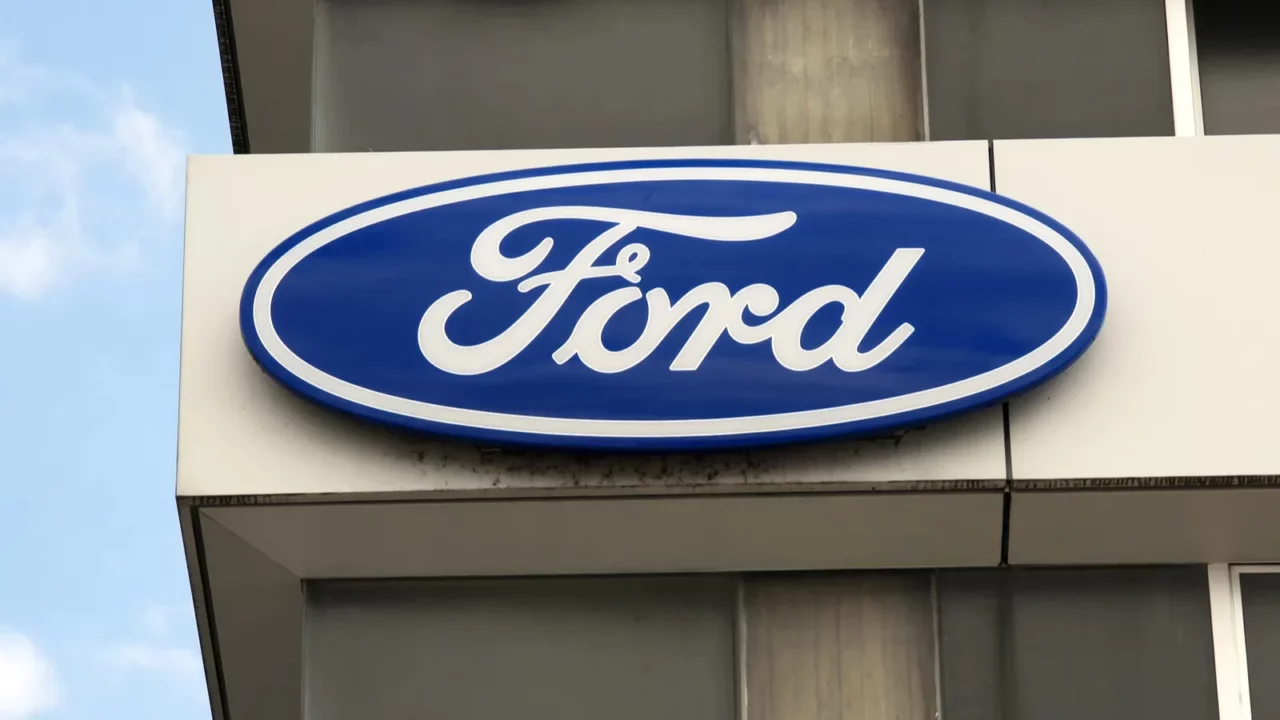
Ford dealership sign on a wall.

Established automakers receive temporary relief

The current restrictions provide a temporary advantage for companies already operating in the United States.

Manufacturers such as Ford, General Motors, Tesla, Toyota, and Hyundai continue competing in the electric vehicle market without direct pressure from low-cost Chinese EV imports.

However, this protection does not remove the underlying challenge. Chinese automakers are expanding globally, and their progress in battery technology, manufacturing efficiency, and vehicle software continues to attract attention from competitors worldwide.

Shot of BYD showroom.

BYD and other Chinese brands changed the EV competition

Chinese automakers have moved far beyond their earlier reputation as manufacturers focused mainly on inexpensive vehicles.

BYD, for example, has become one of the world’s largest electric vehicle companies by combining affordable pricing with technologies such as advanced battery systems and efficient production methods.

The company’s global expansion has increased pressure on traditional automakers, as Chinese brands now compete in markets long dominated by established European, Japanese, and American companies.

Cropped view of a person's hand counting cash while buying a car.

Price is the biggest advantage for Chinese manufacturers

One of the strongest arguments in favor of Chinese EV expansion is cost. Chinese manufacturers benefit from extensive domestic supply chains, large battery production capacity, and intense competition among many local brands.

This has allowed companies to develop vehicles with competitive features while maintaining lower prices in several international markets.

For American consumers facing rising vehicle costs, lower-priced EV options could become an attractive alternative if Chinese manufacturers eventually gain market access.

Tariffs newspaper headline on money.

Tariffs currently block Chinese EV imports

The biggest obstacle for Chinese automakers entering the United States is the existing trade system. High tariffs on Chinese electric vehicles significantly increase their final prices, reducing the advantage they normally have in other markets.

In addition to tariffs, the U.S. has introduced restrictions on connected vehicle technology, citing concerns about data security and potential foreign access to sensitive information.

These policies have effectively prevented Chinese-branded EVs from competing directly with American vehicles.

A Senate meeting.

Security concerns shape the political debate

Modern vehicles are increasingly connected computers on wheels. They collect information through cameras, sensors, navigation systems, and communication networks.

Because of this, some U.S. lawmakers have raised concerns about potential cybersecurity and data privacy risks associated with vehicles linked to foreign companies.

Supporters of restrictions argue that protecting national security is necessary, while critics argue that carefully controlled competition could benefit consumers through lower prices and more choices.

Workers in a car plant

American companies fear a new price battle

The concern among many established automakers is not only about technology but also about pricing pressure.

Chinese manufacturers have demonstrated the ability to produce EVs at lower costs, creating challenges for companies facing higher labor costs, supply chain issues, and expensive development programs.

Some industry groups argue that unrestricted Chinese competition could threaten domestic manufacturing and automotive jobs.

Group of multiracial workers in protective helmet.

Jobs debate creates a difficult trade-off

Chinese companies building factories in the United States could potentially create new manufacturing jobs, especially if those plants hired American workers.

At the same time, U.S. lawmakers, automakers, suppliers, and dealers have warned that Chinese automakers could create new pressure on domestic manufacturers and existing auto jobs.

Shot of multiethnic business team working with blueprint on meeting.

Analysts see possible paths into the U.S.

Some industry leaders and analysts are preparing for the possibility that Chinese automakers could eventually find a path into the American market, even though current U.S. barriers remain high.

Possible routes could include building vehicles in North America, forming partnerships, licensing technology, or adapting business models to meet U.S. rules.

The comparison to earlier waves of Japanese and Korean automakers entering the U.S. market is sometimes used as a historical reference, but today’s debate is different because it also involves connected-vehicle data, software, national-security concerns, and 100% tariffs on Chinese EVs.

A lot of new cars parked at the showroom.

Blocking competition may have economic trade-offs

Restricting Chinese vehicles can protect domestic companies from immediate competition, but it may also have consequences. Less competition could reduce pressure on manufacturers to lower prices, improve efficiency, or accelerate technology development.

Supporters of greater market access argue that competition can push companies to innovate faster and provide consumers with more affordable choices. The challenge for policymakers is balancing industrial protection, security concerns, and consumer affordability.

Shot of BYD cars parked.

Chinese technology may enter through partnerships

Even if Chinese vehicle brands remain restricted, Chinese automotive technology may still influence the global industry. Traditional automakers already operate within international supply chains that involve components, batteries, software, and manufacturing partnerships from many countries.

Some competition may increasingly happen through technology licensing, battery partnerships, and joint development deals rather than only through direct vehicle sales.

What changes in EPA Scope 3 resources mean for automakers and drivers explains how shifting federal emissions guidance can affect vehicle planning alongside changes in trade and EV policy.

Cars at dealership

The global EV race is becoming harder to contain

Chinese automakers have already changed the global electric vehicle landscape. Their growth has pushed traditional manufacturers to rethink production methods, pricing strategies, battery sourcing, and vehicle software.

For now, American consumers remain largely separated from Chinese-branded EVs because of trade barriers and connected-vehicle security rules.

As EV competition continues worldwide, the debate over Chinese vehicles in the United States is likely to continue. The future will depend on how policymakers balance security, jobs, innovation, and access to affordable transportation.

Trump says tariffs strengthened the U.S. auto industry while criticizing Canadian trade policies, highlighting how trade policy remains central to the debate over domestic manufacturing and imported automotive materials.

Should the United States eventually allow Chinese automakers to build vehicles domestically, or keep them out? Please let us know in the comments!

Don’t forget to follow us for more exclusive content right here on MSN

If you liked this, you might also like:

This slideshow was made with AI assistance and human editing.

Was this helpful?
Thumbs UP Thumbs Down
Prev Next
Share this post

Lucky you! This thread is empty,
which means you've got dibs on the first comment.
Go for it!

Send feedback to evsmarts


    We appreciate you taking the time to share your feedback about this page with us.

    Whether it's praise for something good, or ideas to improve something that isn't quite right, we're excited to hear from you.