Was this helpful?
Thumbs UP Thumbs Down

China’s auto market loses momentum as vehicle sales fall during its busiest season

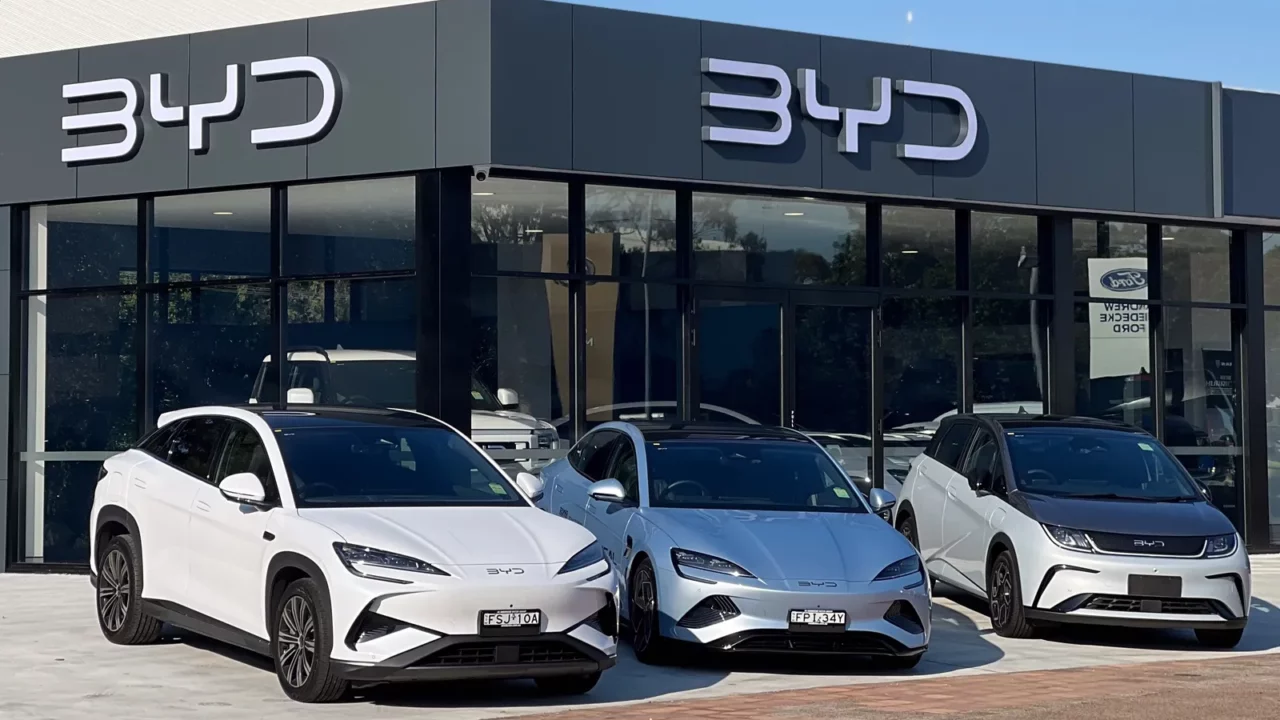
Shot of BYD showroom.
XPeng Dealership

China’s auto sales plunge 28% despite the September peak season

China’s passenger car sales fell 28% year over year in September to 1.62 million units, showing that the country’s traditional peak buying season failed to revive demand.

Data from the China Passenger Car Association (CPCA) showed that sales increased 5% from August but remained far below the level recorded a year earlier. The decline marked the 12th consecutive month of annual sales decreases, putting pressure on automakers in one of the world’s largest car markets.

Cars at gas station.

High fuel prices are pushing Chinese car buyers to wait

High oil prices and weak consumer confidence are hurting demand for traditional gasoline-powered cars in China. The CPCA said these pressures contributed to the September sales decline, even as the market entered a period that usually brings stronger vehicle purchases.

Many consumers are delaying major spending decisions while automakers compete through price cuts and other offers. This cautious approach is making it harder for car companies to turn seasonal demand into the strong sales growth they need.

Cars at dealership

China’s auto market has now suffered a year of declines

China’s passenger car market has struggled to regain its earlier momentum after years of rapid expansion. September marked the 12th straight month in which sales fell compared with the same month a year earlier.

Although monthly sales improved from August, the annual decline showed that the recovery remained weak. Automakers are now facing a tougher environment as buyers become more careful with their spending and competition intensifies across the industry, particularly among companies fighting for customers in China.

Cropped view of car production line.

Rising memory-chip costs are slowing new car launches

Higher memory-chip costs are creating another challenge for China’s automakers, according to the CPCA. These rising expenses are slowing the pace of new vehicle launches and adding pressure to a market already struggling with weaker demand.

New models often help car companies attract buyers and compete against rivals, so delays can affect their ability to maintain sales momentum. With consumer confidence still fragile, automakers have fewer opportunities to offset declining demand with new products and vehicle launches.

Cropped shot of shell gas station.

Traditional gasoline cars are losing ground in China

Demand for traditional fuel-powered cars has become a major weakness in China’s auto market. The CPCA linked the decline to high oil prices and weak consumer sentiment, which have made buyers more cautious about purchasing vehicles.

Meanwhile, electric cars and plug-in hybrids continue to play a larger role in the market. This shift is changing how automakers compete for customers, forcing companies to pay closer attention to electrification as they respond to slowing sales of conventional passenger cars.

Shanghai financial district China

New-energy vehicles reached a record share of China’s passenger-car sales

New-energy vehicles accounted for a record 67% of China’s domestic passenger-car retail sales in September 2026, according to the China Passenger Car Association (CPCA). The category includes battery-electric vehicles, plug-in hybrids and extended-range electric vehicles.

The record share highlights the growing importance of electrified vehicles in China’s passenger-car market, even as overall domestic demand remains weak.

Automakers are increasingly relying on new-energy vehicles to attract buyers and support their businesses. However, the record market share did not prevent total passenger-car retail sales from declining year over year in September.

Shot of BYD showroom.

China’s electric and plug-in hybrid sales also declined

Retail sales of new-energy passenger vehicles in China fell 17% year over year in September 2026 to approximately 1.08 million units, according to the China Passenger Car Association (CPCA). The decline shows that electric vehicles and plug-in hybrids are also feeling the effects of weaker domestic demand.

Although new-energy vehicles accounted for a record 67% of domestic passenger-car retail sales, their sales volume still declined compared with September 2025.

Automakers must therefore balance the long-term shift toward electrification with the immediate challenge of attracting buyers in a weakening domestic market.

Shot of BYD showroom.

Chinese automakers are looking overseas for sales growth

Chinese automakers are increasingly turning to overseas markets to offset slowing vehicle demand at home. In September, exports of passenger cars rose 74% year over year to 917,000 units, according to CPCA data. The increase highlights the growing importance of international buyers for China’s car industry.

Export growth can help manufacturers sell more vehicles even when domestic consumers hold back. However, relying on overseas markets also exposes automakers to trade restrictions, changing regulations and tougher competition in other countries.

Cars waiting for export.

China’s new-energy vehicle exports more than doubled again

Exports of new-energy vehicles from China more than doubled again in September, providing automakers with another source of growth as domestic demand weakened.

These shipments include electric vehicles and plug-in hybrids, which have become major products for Chinese manufacturers seeking international customers.

Strong export performance can help companies use their production capacity and reach buyers beyond China. However, the long-term outlook will depend in part on how overseas governments respond to Chinese vehicles and on whether trade barriers make them more expensive to sell.

Tesla logo in china

Tesla exported 30,529 China-built vehicles in September

Tesla continued to use its Shanghai factory as a major manufacturing and export hub in September 2026. The company’s wholesale sales of China-made vehicles reached 95,366 units, including 30,529 vehicles exported to overseas markets. Domestic deliveries totaled 64,837 vehicles, according to figures reported by the China Passenger Car Association (CPCA).

Tesla’s September performance highlights the importance of its Shanghai operations to both domestic and international markets. The company continues to face strong competition from established automakers and Chinese electric vehicle brands.

Its export and domestic sales figures show how the Shanghai factory supports Tesla’s global manufacturing and sales strategy.

Shot of BYD cars parked.

China’s price wars are making car buyers more cautious

Intense price competition among Chinese automakers is adding uncertainty to the market, the CPCA said. When manufacturers repeatedly cut prices, consumers may delay purchases in the hope of finding a better deal later.

That behavior can weaken sales even when companies offer lower prices. Price wars can also put pressure on automakers’ profits as they compete for a limited pool of buyers. With consumer confidence remaining weak, the industry faces a difficult balance between attracting customers and protecting its financial performance.

Car carrier trailer with new cars on bunk platform car

China’s auto sales may struggle again in October

The CPCA does not expect a strong recovery in China’s overall auto sales in October. Weak consumer confidence remains a major concern, with many residents reluctant to make large purchases.

High oil prices and demographic changes could add further pressure to demand, according to the association. October is another important month for automakers hoping to improve their results, but seasonal factors alone may not be enough.

Manufacturers could continue to face slow sales as buyers weigh costs and wait for better purchasing conditions.

BYD’s new tech brings EV charging close to gas-station speed, underscoring why EV technology is now tied to broader questions about supply chains and national security.

Aerial view of container cargo ship in the export bay.

Trade pressure could slow China’s car export growth

China’s auto exports may face slower growth as trade pressure in the European Union creates additional challenges. The CPCA warned that overseas shipments could lose momentum, potentially limiting one of the industry’s main sources of support.

International sales have helped Chinese manufacturers offset weaker domestic demand, but trade barriers can make expansion more difficult.

Automakers seeking growth abroad must account for changing policies and market conditions while competing with established brands. Any slowdown in exports could add pressure to companies already dealing with a difficult home market.

China’s car-tech surge puts global drivers on notice, underscoring why the U.S. is racing to build a stronger rare-earth supply chain.

Would slowing demand in China change your confidence in buying a vehicle from a Chinese automaker? Share your thoughts below.

Don’t forget to follow us for more exclusive content right here on MSN

Read More From This Brand: The

This slideshow was made with AI assistance and human editing.

Was this helpful?
Thumbs UP Thumbs Down
Prev Next
Share this post

Send feedback to evsmarts


    We appreciate you taking the time to share your feedback about this page with us.

    Whether it's praise for something good, or ideas to improve something that isn't quite right, we're excited to hear from you.