8 min read
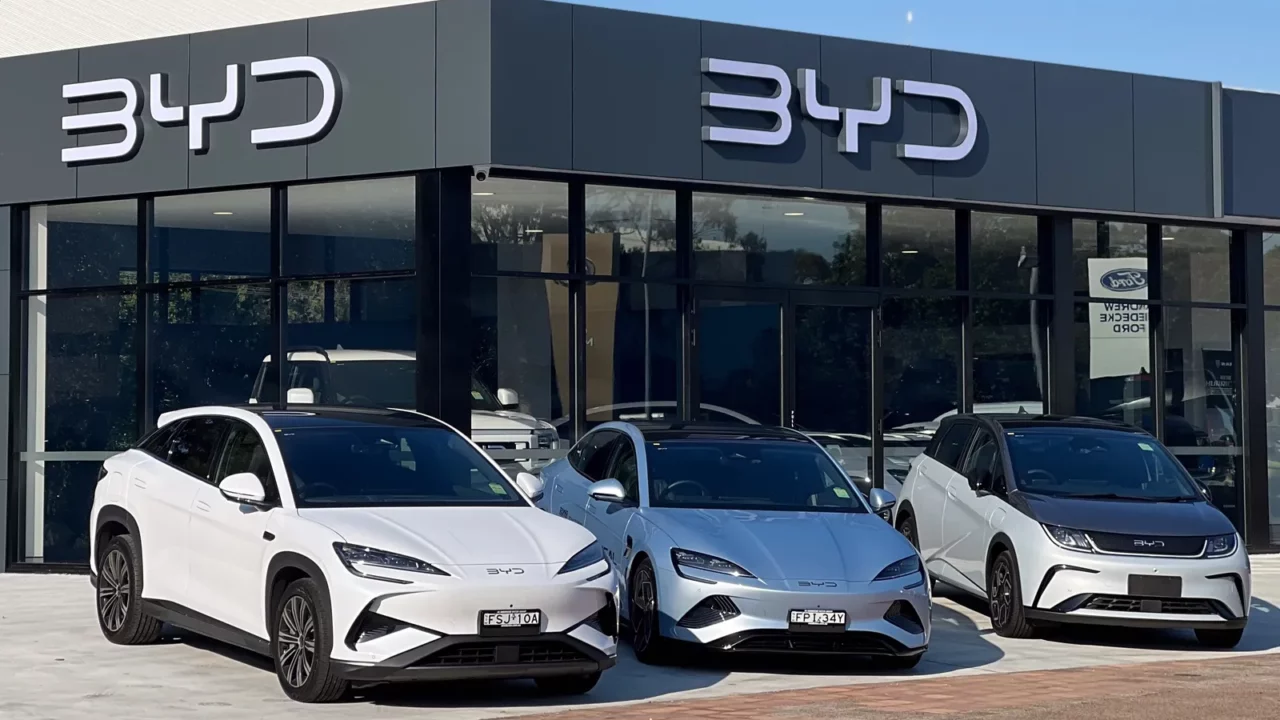
I know it looks like 3YD but it’s actually BYD it stands for Build Your Dreams
8 min read

Chinese electric vehicles are rapidly spreading across international markets, especially in countries that do not impose heavy import tariffs.
Nations across Latin America, Africa, and parts of Asia are seeing major growth in EV adoption as affordable Chinese brands enter the market with competitive pricing and advanced technology. Costa Rica has become one of the clearest examples of this trend.
Many consumers are discovering that switching to EVs can dramatically reduce running costs compared to gasoline-powered vehicles. This shift is also proving that lower-priced EVs can still offer strong technology and practicality without the massive costs often associated with Western EVs.

One of the biggest drivers of the EV boom is the sharp rise in gasoline prices worldwide. In the United States, fuel prices climbed to an average of $4.51 per gallon in early 2026, following several consecutive weekly increases.
Similar price spikes are happening globally, making traditional gasoline vehicles more expensive to own and operate. In countries where consumers are especially sensitive to fuel costs, electric vehicles are becoming a practical financial decision rather than just an environmental statement.
Drivers who previously spent large amounts every week on gasoline are now considering EVs because electricity is significantly cheaper.

Chinese automotive companies are quickly becoming major players in international EV markets because they offer vehicles with strong technology at relatively low prices. Brands such as BYD, MG, Geely, and GAC are expanding aggressively into regions where buyers prioritize affordability.
Unlike many Western automakers, Chinese manufacturers have focused heavily on producing budget-friendly EVs without sacrificing range, modern interiors, or digital features. This strategy has helped them win customers in developing markets where premium EV prices remain out of reach.

Costa Rica has emerged as one of the leading EV adoption markets in the Western Hemisphere despite being a relatively small country. Electric vehicles accounted for 18% of all vehicle sales during the first three months of 2026, showing how quickly consumer preferences are changing.
The country’s strong adoption rate is being driven by affordable Chinese EV imports, government support, and high fuel costs. Costa Rica’s short urban commutes also make EV ownership especially practical because electric vehicles perform efficiently in stop-and-go traffic.
The rapid shift toward EVs is turning Costa Rica into a global case study for what can happen when affordable electric vehicles enter a market without strict import barriers or aggressive tariffs.

Government policies are playing a major role in accelerating the adoption of electric vehicles. Costa Rica introduced tax and fee exemptions for EV buyers back in 2018 to encourage the transition away from gasoline-powered transportation.
These incentives helped lower ownership costs and made electric vehicles more attractive to consumers. More recently, lawmakers introduced legislation to speed up the construction of EV charging stations nationwide.
Officials believe that increasing EV usage can reduce dependence on imported oil and strengthen energy independence. Lower fuel imports could also help stabilize transportation costs during periods of volatile global oil prices.

For many consumers, the decision to switch to an electric vehicle is primarily economic rather than environmental. A poll conducted by Costa Rica’s electric vehicle association found that 70% of respondents switched to EVs mainly because they were cheaper to operate.
Electricity costs are often far lower than gasoline expenses, especially in countries where fuel prices are high. EVs also require less routine maintenance because they have fewer moving parts than internal combustion engines.
Drivers can save money on oil changes, engine repairs, and fuel over the long term. Chinese automakers are strengthening this advantage by selling affordable EVs that lower the initial purchase barrier for many buyers.

Countries without major tariffs on Chinese EV imports are experiencing very different market conditions than those in the United States or Europe. American consumers have limited access to many Chinese EVs because of political resistance and trade restrictions.
Costa Rica, however, allows these vehicles to compete freely in the market. As a result, buyers gain access to low-cost electric cars with advanced technology that would otherwise be unavailable.
This competitive environment forces prices lower and gives consumers more choices. The situation highlights how trade policy can directly shape the speed of EV adoption and the affordability of electric transportation.

Although EV adoption is growing rapidly, charging infrastructure is not always expanding at the same pace. Costa Rica has already started facing problems with charger compatibility and overall network capacity.
At some charging locations, powerful chargers remained unused because the plugs did not fit many Chinese EVs. These compatibility issues demonstrate one of the biggest challenges in global EV expansion: standardization.
Countries experiencing rapid EV growth must invest heavily in charging infrastructure to prevent future bottlenecks. Reliable charging access is essential if EV adoption is expected to continue increasing at the current rate.

As more drivers switch to electric vehicles, concerns are growing about whether existing power grids can handle the additional demand. Large-scale EV adoption significantly increases electricity consumption, especially during peak charging hours.
Costa Rica’s rapid transition toward EVs has already sparked discussions about long-term grid capacity and energy planning. Governments and utility companies may need to invest in infrastructure upgrades, renewable energy generation, and smarter electricity management systems.

Electric vehicles are often most effective in countries or cities where average driving distances are relatively short. Costa Rica’s urban traffic patterns and shorter daily commutes make EV ownership highly practical for many drivers.
In stop-and-go traffic, electric vehicles benefit from regenerative braking systems that recover energy as they slow. Gasoline vehicles, on the other hand, typically become less efficient in heavy traffic conditions.
This efficiency advantage allows EV owners to maximize range while reducing operating costs. The driving habits of consumers in many developing urban markets are therefore naturally suited for electric mobility.

The rise of Chinese electric vehicle brands is reshaping the global automotive industry. Traditional automakers are now facing pressure from companies that can deliver advanced EVs at significantly lower prices.
Chinese manufacturers have invested heavily in battery technology, production scale, and supply chain control, allowing them to compete aggressively in price-sensitive markets.
Their success in countries like Costa Rica demonstrates that affordability can be just as important as brand reputation when consumers choose an EV. This growing competition may eventually force automakers worldwide to lower prices and to improve technology more quickly.

One major lesson from Costa Rica’s EV surge is that many consumers care more about affordability and practicality than traditional automotive prestige. Buyers are increasingly willing to consider Chinese brands if the vehicles offer lower prices, modern features, and lower operating costs.
Instead of focusing solely on luxury or heritage, many consumers are now seeking the best financial value. Chinese automakers have recognized this change and positioned themselves to target budget-conscious buyers across international markets.
Trump-era policies put U.S. carmakers behind China in the EV race. Share your thoughts on whether stricter EV policies could help American automakers compete more effectively with Chinese brands.

Costa Rica’s experience could become a preview of what happens in many countries where affordable Chinese EVs are allowed to compete with fewer trade barriers. Consumers are rapidly adopting electric mobility when lower prices, government support, and high fuel costs align.
However, the transition also reveals important challenges involving charging infrastructure, compatibility standards, and power grid capacity.
The country’s EV boom shows that affordable electric vehicles can accelerate adoption rates, especially in markets where consumers are highly sensitive to transportation costs.
Trump’s support for gas cars could give China an advantage in electric vehicles. Let us know if you think the U.S. should focus more heavily on EV development to stay competitive globally.
Don’t forget to follow us for more exclusive content right here on MSN
If you liked this, you might also like:
This slideshow was made with AI assistance and human editing.
We appreciate you taking the time to share your feedback about this page with us.
Whether it's praise for something good, or ideas to improve something that
isn't quite right, we're excited to hear from you.