Was this helpful?
Thumbs UP Thumbs Down

BYD overtakes Tesla as Australian EV sales rise 9.7 percent in August

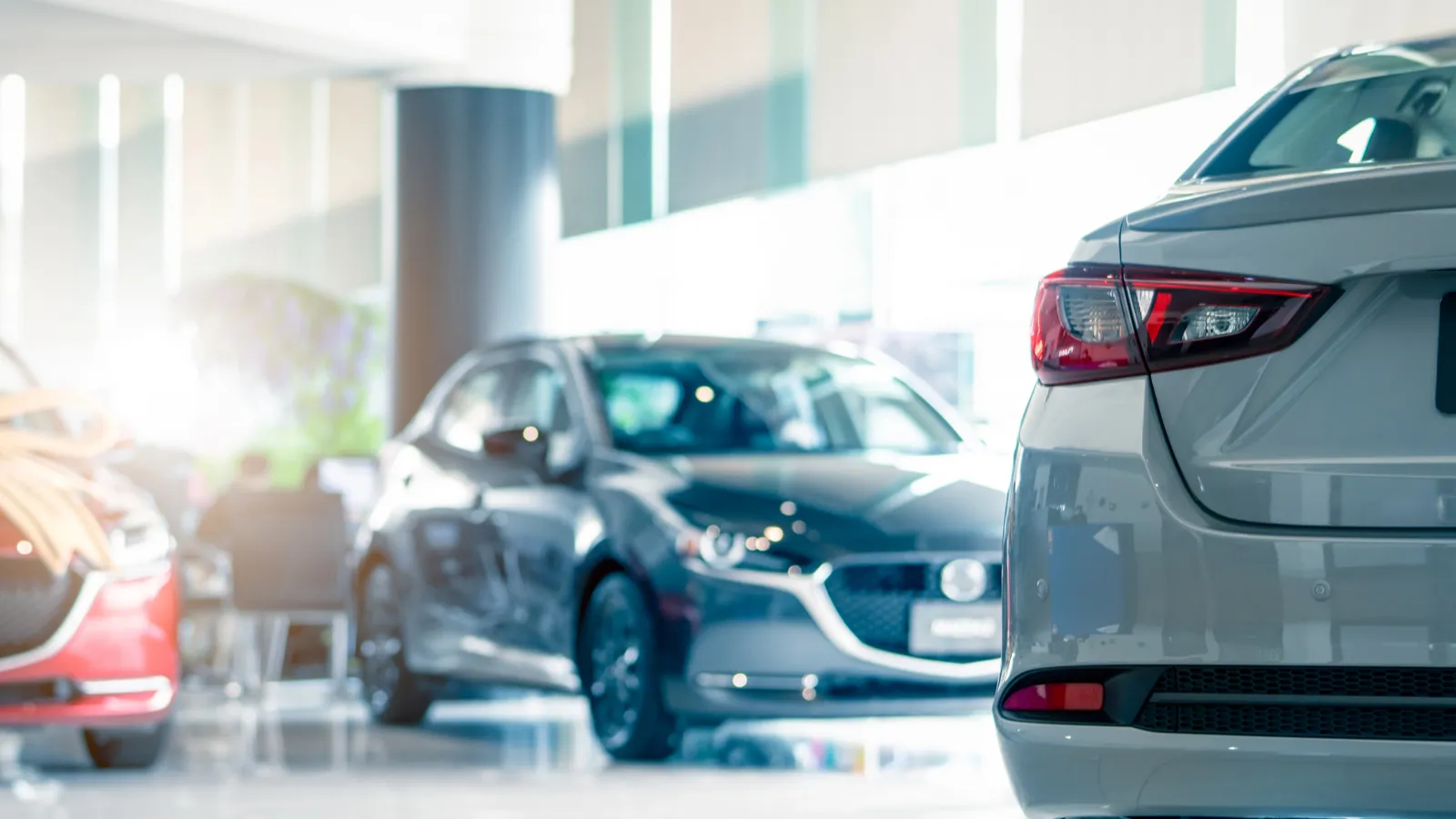
Rear view of a new car parked in a luxury showroom car dealership office.
The logo of BYD company with Tesla logo.

BYD overtakes Tesla in Australia

In August, a significant shift happened in the Australian electric vehicle market. A Chinese company called BYD sold more electric cars than Tesla for the first time. This is a big deal because Tesla had been the clear leader in EV sales for a long time.

According to The Driven, the combined sales of BYD’s new and existing models helped it secure the top spot. This change shows that the competition is getting tougher in the country and changing the whole market.

Australian flag.

Australian EV sales reach new highs

The total number of electric vehicles, or EVs, sold in Australia increased significantly in August. According to the Driven, 10,003 EVs were sold. This represents a 9.7 percent share of the total new car market for the month.

This increase shows that the market is getting bigger and more popular. Overall, the Australian new car market saw 103,694 vehicles sold, making August the second strongest on record. It proves that more Australians are choosing to go electric.

aerial overhead photo tesla model s

The sales figures for the month

Official sales data shows the exact numbers for August. According to The Driven, BYD sold a total of 3,064 battery-electric cars. In comparison, Tesla sold 2,927 battery-electric vehicles. This meant BYD was ahead of Tesla by 137 units for the month.

This result marks a significant moment in the Australian EV market. It shows that new players are successfully challenging the established leaders. The sales figures prove BYD has a strong and growing presence in the country.

Blue tesla model y electric car driving on road

Top-selling electric cars in August

Looking at the individual models, the Tesla Model Y was still a top car. According to The Driven, it was the best-selling EV with 2,324 units. However, BYD had three very popular models. The BYD Sealion 7 was second with 1,413 sales.

The BYD Seal was a close third with 623 sales, and the BYD Atto 3 and Dolphin also made the top list with 594 and 434 sales, respectively. This shows that BYD’s variety of choices is appealing to many people.

Byd logo displayed on wall.

Why BYD gained the lead

BYD’s success directly results from its strategy to offer many different types of cars. Its new models, like the BYD Seal and Sealion 7, were in high demand. These cars give customers more options and have arrived in large numbers to meet this demand.

The company’s competitive pricing also plays a significant role. BYD is offering more affordable options by making electric cars available to more buyers. This approach has helped the brand gain a strong foothold in the Australian market.

view from view from inside a tesla x electric car

Why Tesla’s sales dipped in August

Tesla’s sales in August were lower than expected, especially after a slow July. The main reason was a decrease in deliveries of its cars. This meant that although many people may have wanted a Tesla, fewer cars were available to sell during that month.

Another factor is the pressure from new rivals like BYD. Unlike its competition, Tesla has a smaller lineup of only two main models in Australia. This lack of new models and the delivery delay contributed to a dip in Tesla’s sales.

Chery automobile dealership sign

Chinese brands take a bigger role

The rise of BYD is part of a larger trend in Australia. According to the FCAI, for the first time, four Chinese car brands made it into the national top ten for all car types. These brands included BYD, GWM, MG, and Chery.

20,070 Chinese-made vehicles were sold in August. This was a massive 67 percent increase compared with the same month in the previous year. This shows that Chinese car makers are becoming a significant force in the market.

Rear view of a new car parked in a luxury showroom car dealership office.

Competition is good for Australians

The new competition between BYD and Tesla is excellent for car buyers. When companies compete, they offer better cars, more features, and lower prices to win customers. This means that people have more choices and can find an EV that fits their needs and budget.

This battle for the top spot is helping the electric car market grow even faster. It encourages innovation and makes electric vehicles a common sight on the roads. The competition ensures the market remains fresh and exciting.

BYD seal

BYD’s global expansion and success

BYD’s success in Australia is part of its fast global growth. BYD sold over 4.27 million vehicles worldwide in 2024, a 41% increase from 2023, establishing it as a significant global EV player.

The company is rapidly expanding overseas, including Europe. In July 2025, BYD registered 13,503 new vehicles in Europe, a 225% year-on-year increase, surpassing Tesla in that market. This global momentum supports BYD’s growing presence in Australia.

bangkokthailand  6 dec 2023 battery pack model of byd

BYD’s core technology is the Blade battery

A key part of BYD’s success is its advanced technology, especially its Blade Battery. According to BYD’s official website, this battery is known for being safer and more efficient. It passed a nail penetration test without a fire, a key safety standard.

The company’s innovative Cell-to-Pack (CTP) technology in the Blade Battery improves space utilization by over 50 percent. This allows for a more extended driving range without making the battery pack bigger or heavier.

BYD logo on a car

The history of BYD as a battery maker

Before it started making cars, BYD was a major producer of batteries. The company was founded in 1995 by Wang Chuanfu and started out making batteries for cell phones. This background in battery technology gives it a decisive advantage in the electric car industry.

Over the years, BYD has used its knowledge of batteries to produce electric buses, trucks, and passenger cars. This history means BYD has much experience and expertise in the core technology that powers electric vehicles.

Shot of European flags.

Tesla’s recent struggles worldwide

While BYD has been growing, Tesla has faced some challenges globally. Tesla’s share value has lost much of its worth since its highest point. The company has also declined its deliveries in other major markets, including parts of Europe and Asia.

Tesla’s global deliveries in 2024 were 1.79 million vehicles, marking its first annual 1.1% decline since 2011. This shows that the company’s dominance is no longer guaranteed and faces pressure from new brands.

Tesla Model Y

Tesla’s sales dip in Australia

Tesla has faced some challenges in Australia, and sales have declined in the first eight months of 2025 compared to the same period in 2024. The most significant drop was in sales of the Model 3, which was once Australia’s top-selling EV.

This sales slump shows that Tesla’s dominance is being challenged, even with a refreshed Model Y, sales have slowed down compared to previous years, giving competitors like BYD a chance to catch up and take the lead.

Tesla model s

How Tesla became an Australian leader

Tesla’s sales in Australia started to take off in 2019 with the launch of the Model 3. The car became incredibly popular very quickly. It was followed by the Model Y, which became Australia’s best-selling electric vehicle.

Before these cars, Tesla sold more expensive models like the Model S and Model X. Tesla introduced the more affordable Model 3 and Model Y, making the brand a leader in the Australian market and helping it become very well-known.

Tesla showroom

The impact of Tesla’s early days

Tesla officially started its business in Australia in December 2014. It opened its first showrooms in Sydney and then Melbourne with the Model S sedan. At the time, electric cars were scarce. Tesla helped to introduce many Australians to the idea of owning an EV.

The company’s Supercharger network was also critical. By December 2014, the company had installed its first two Supercharger stations in Sydney, giving people a reliable way to charge their cars on long trips.

Curious how this could affect owners and future buyers? Read more about Tesla Cybertruck’s challenges in insurance coverage.

BYD Orange Car Plugged in for Charging

The reality of the EV rivalry

The competition between BYD and Tesla is changing the market in key ways. Tesla’s European sales fell 40% in July 2025 as BYD sales grew 225%. In response, Tesla is developing a more affordable vehicle, with a prototype for a new small EV that was already built in June.

This rivalry has also led to a price war and increased model choices. According to Techcrunch, global EV models are projected to grow to over 500 by 2030. The direct competition is a significant factor driving this expansion.

Planning to plug in your EV at a Tesla station? Here’s what to know before charging a non-Tesla EV at a Tesla Supercharger.

What’s your take on BYD passing Tesla—temporary win or new trend? Drop your thoughts below.

Read More From This Brand:

Don’t forget to follow us for more exclusive content right here on MSN

If you liked this story, you’ll LOVE our FREE emails. Join today and be the first to get stories like this one

This slideshow was made with AI assistance and human editing.

Was this helpful?
Thumbs UP Thumbs Down
Prev Next
Share this post

Lucky you! This thread is empty,
which means you've got dibs on the first comment.
Go for it!

Send feedback to evsmarts


    We appreciate you taking the time to share your feedback about this page with us.

    Whether it's praise for something good, or ideas to improve something that isn't quite right, we're excited to hear from you.