7 min read
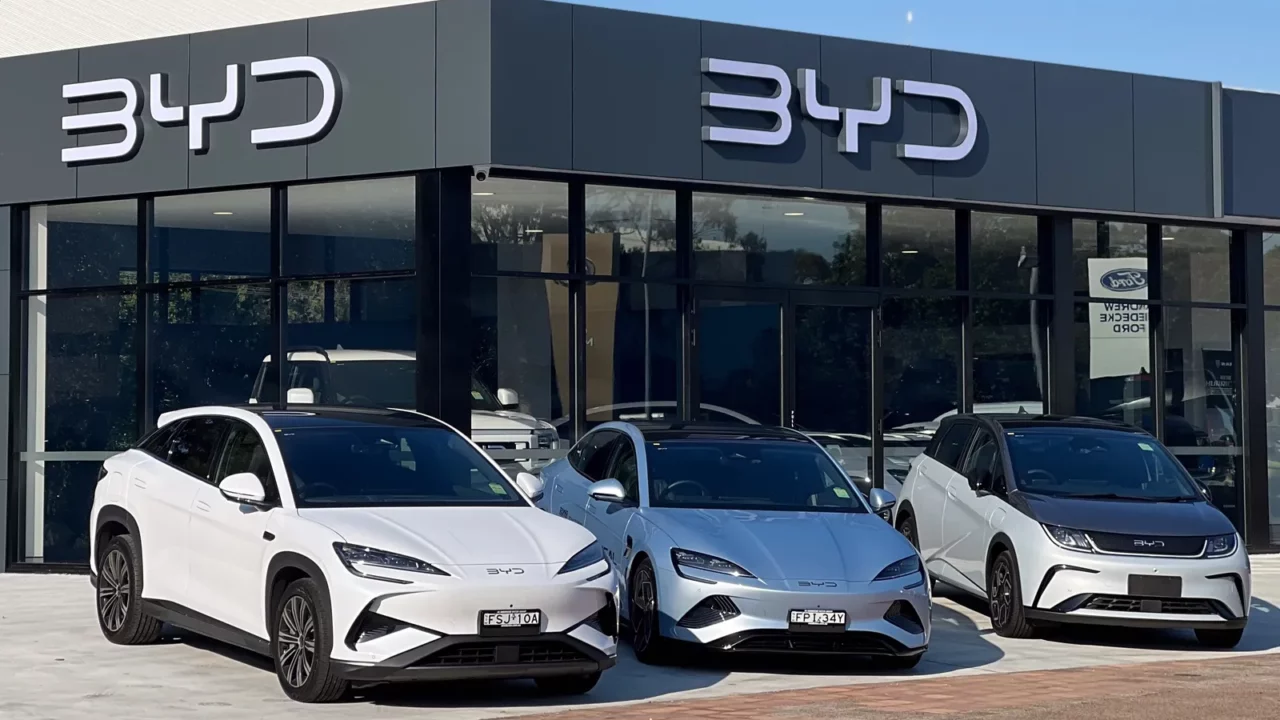
I know it looks like 3YD but it’s actually BYD it stands for Build Your Dreams
7 min read

BMW CEO Milan Nedeljković has entered the growing debate over Chinese electric vehicle expansion in Europe, warning that some Chinese cars are being offered at prices that are difficult to explain from a business perspective. He argues that such pricing could create pressure for protectionist responses across Europe.
However, BMW is not calling for a complete shutdown of Chinese competition. Nedeljković says BMW supports free trade and competition, but believes competition must happen under conditions that do not create major market distortions.
His comments come as European automakers face increasing pressure from Chinese brands that have expanded rapidly with affordable electric vehicles, advanced battery technology, and competitive pricing strategies.

Chinese electric vehicle manufacturers such as BYD, SAIC, and Geely have expanded their presence in Europe by offering models that compete directly with those of established European brands.
The growth of Chinese EV makers has created both opportunities and challenges for European consumers. Lower-priced electric vehicles can make cleaner transportation more accessible, but European manufacturers argue that unequal competition could affect investment and jobs.
The debate is no longer only about selling cars. It is also about controlling supply chains, protecting industrial capacity, and determining how Europe participates in the global electric vehicle transition.

The European Union has already introduced additional duties on battery-electric vehicles produced in China following an anti-subsidy investigation. These duties vary by manufacturer, with 17% for BYD, 18.8% for Geely, and 35.3% for SAIC.
Nedeljković does not support simply increasing tariffs further. Instead, he favors political negotiations and voluntary pricing agreements that establish what he describes as fair market conditions.
According to BMW’s CEO, additional tariffs could increase tensions between Europe and China. He has warned that retaliation could affect important parts of the EV supply chain, including battery cell availability.

BMW’s position is influenced by its own global manufacturing network. The company competes against Chinese automakers, but it also operates production facilities and has partnerships in China.
Some electric Mini models, including the Mini Cooper hatchback and Mini Aceman crossover, are produced in China for export markets. This means broader trade restrictions could affect not only Chinese-owned companies but also European brands using Chinese manufacturing capacity.
BMW, therefore, faces a difficult balance. It wants European manufacturers to compete fairly while also avoiding policies that could increase costs throughout international supply chains.

Chinese companies have moved quickly in areas where European automakers are under pressure, particularly electric vehicles, battery technology, and vehicle software.
Brands such as BYD have expanded internationally by combining competitive pricing with features that appeal to EV buyers. Their growth has increased pressure on companies like BMW, Volkswagen, Renault, and Stellantis to accelerate their own electric strategies.
The competition reflects a wider shift in the automotive industry. Battery technology, digital systems, production efficiency, and access to critical materials increasingly influence the future of car manufacturing.

China has become one of the most competitive automotive markets in the world, especially in electric vehicles. Domestic manufacturers have gained market share by moving quickly on EV technology and connected-car features.
BMW Group sales in China, including Mini, declined from 847,900 vehicles in 2021 to 626,000 vehicles in 2025, according to company reporting cited by Motor1. The decline highlights the increasing challenge from local competitors.
For European luxury brands, China is not only an important sales market but also a technology battlefield. Losing influence there could affect global competitiveness.

Some European automakers and policymakers have proposed stronger industrial policies to protect local manufacturing. Volkswagen Group, Renault Group, and Stellantis have supported discussions around increasing European production requirements.
One proposal involves requiring a higher percentage of vehicle components to be sourced from Europe. Supporters argue this could protect jobs and strengthen regional supply chains.
Critics warn that such policies could increase production costs. Research group Bruegel has estimated that stronger local-content requirements could raise EV prices by more than €2,000, potentially affecting consumers.

The debate over Chinese EV imports directly affects customers. Lower-cost electric vehicles can reduce transportation expenses and help more people access cleaner technology.
However, if governments respond primarily through tariffs or costly supply chain changes, vehicle prices could rise. Higher prices may slow EV adoption among households that are already cost-sensitive.
The challenge for policymakers is finding a balance between supporting European industry and maintaining affordable electric transportation options for consumers.

Electric vehicles depend heavily on battery cells, and China plays a major role in global battery production. This dependence makes trade decisions more complicated than traditional automobile disputes.
Nedeljković has warned that stronger trade restrictions could create risks if China responds by limiting access to battery supplies. This is a concern raised by BMW’s leadership, not a confirmed future action by China.
The battery issue illustrates why the EV industry differs from traditional car manufacturing. A vehicle may be assembled in one country while relying on materials and technology from many others.

European automakers are trying to compete in a rapidly changing industry while managing higher labor costs, regulations, and the transition from combustion engines to electric vehicles.
Chinese companies have benefited from strong domestic demand and robust battery ecosystems, enabling them to scale EV production quickly.
For Europe, the challenge is not only preventing unfair competition. It is also improving innovation, reducing production costs, and maintaining a strong position in future automotive technologies.

Nedeljković has argued that Europe should strengthen competitiveness rather than rely only on protection measures. He believes long-term success depends on creating better market conditions.
According to BMW’s position, closing markets could damage investment and reduce opportunities for global cooperation. The company prefers negotiated solutions over escalating trade barriers.
This approach reflects BMW’s international business model, where manufacturing, sales, and supply chains operate across multiple regions.

The disagreement between Europe and China over electric vehicles is part of a larger global competition for leadership in clean technology.
Governments must decide how to support domestic industries while allowing consumers access to affordable technology. The outcome could influence vehicle prices, manufacturing locations, and future investment.
The automotive industry is moving through one of its biggest transformations in history, and decisions made today will shape the next generation of vehicles.
How oil prices shape American car-buying provides context, as fuel costs can affect whether shoppers choose gas cars, hybrids, EVs, or larger vehicles.

BMW’s warning highlights the complex reality of the electric-vehicle transition. Europe wants competitive industries, affordable cars, and stronger environmental progress all at once. Nedeljković’s position is not a call to eliminate Chinese competition but an argument for what BMW describes as fairer market conditions and political negotiation.
The coming years will test whether Europe can protect its automotive industry while keeping EV adoption accessible. The outcome will depend on trade policies, technological innovation, and cooperation between global manufacturers.
California gas prices remain high despite global oil market fluctuations, underscoring how local taxes, refinery limits, and fuel rules can keep prices elevated even as oil markets shift.
Should Europe respond to low-priced Chinese EVs with higher tariffs, or follow BMW’s approach of negotiating fair-pricing agreements? Please let us know in the comments!
Don’t forget to follow us for more exclusive content right here on MSN
If you liked this, you might also like:
This slideshow was made with AI assistance and human editing.
We appreciate you taking the time to share your feedback about this page with us.
Whether it's praise for something good, or ideas to improve something that
isn't quite right, we're excited to hear from you.

Lucky you! This thread is empty,
which means you've got dibs on the first comment.
Go for it!