8 min read
I know it looks like 3YD but it’s actually BYD it stands for Build Your Dreams
8 min read

The U.S. electric‑vehicle market is experiencing a resurgence in models priced around or under $30,000, signaling a new era of affordability for mainstream drivers. After several years when most EVs were luxury-focused or high-priced, automakers are finally addressing demand from cost-conscious buyers.
Consumers who once thought EVs were out of reach can now realistically consider them for daily commuting, urban driving, or as a second car. This trend aligns with federal and state incentives that encourage EV adoption and cost-effective battery technology.

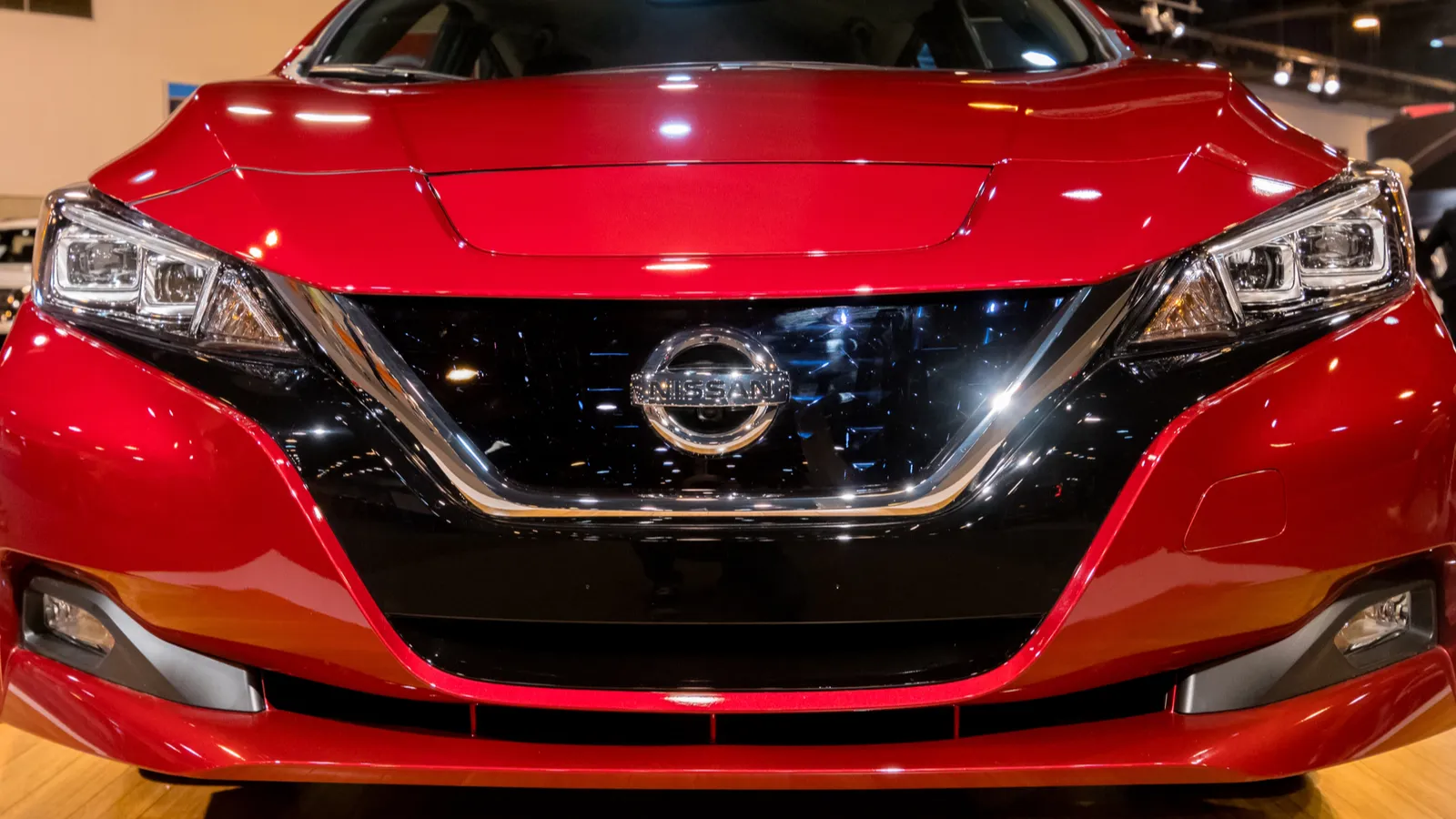
One of the most notable entries is the 2026 Nissan Leaf, which lists a starting MSRP of $29,990 (S trim; plus a $1,495 destination charge) and an estimated 303-mile range for the S+ grade.This combination of cost and range is rare among budget EVs.
Beyond price, the Leaf provides a well-established brand, advanced safety features, and connectivity options that appeal to everyday drivers.
For cost-conscious consumers, it demonstrates that a roughly sub-$30,000 EV can provide meaningful mileage and usability without the wide compromises often expected from lower-priced electric vehicles.

GM says the 2027 Chevrolet Bolt will launch at $29,990 (including a $1,395 destination charge) and begin shipping early 2026. It targets a GM-estimated 255-mile range, featuring 150 kW+ DC fast-charging and a native NACS port.
After being discontinued, the Bolt’s comeback reflects automakers recalibrating their offerings toward simpler, lower-cost EV options, rather than focusing solely on premium, high-margin vehicles.
This re‑entry signals a willingness to target the mass market. For buyers, it offers a reliable, relatively affordable electric alternative with a solid range and contemporary technology. The Bolt’s return highlights the importance of balancing cost, practicality, and consumer expectations in an increasingly competitive EV landscape.

General Motors has acknowledged that upcoming sub‑$30K EVs will be part of a broader “family” aimed at mainstream buyers, not niche models. This approach reflects a strategic shift, emphasizing cost‑efficient production, standardized platforms, and battery architectures to keep prices low while maintaining margin viability.
The long-term goal is to attract drivers who previously could not afford an EV and encourage broader adoption. Automakers are learning that value-driven products could be key to scaling EV sales nationwide, and how well these models succeed will influence production priorities in the years to come.

Marketing a vehicle as “under $30,000” can be misleading without context. MSRP typically excludes destination fees, taxes, and optional features, which can push the actual out‑the‑door price above the advertised figure. Buyers must also consider the total cost of ownership, which includes charging, installation, insurance, and maintenance costs.
While a relatively low MSRP provides an initial indication of affordability, real-world expenses influence the actual financial appeal. Being informed helps consumers make realistic comparisons with other EVs or traditional gasoline vehicles in the same price range, ensuring expectations align with actual ownership costs.

Lower-cost EVs often feature smaller batteries, fewer premium options, or slower charging capabilities compared to high-end models. For example, the 2027 Bolt carries a GM-estimated 255-mile range and 150 kW DC fast-charging (10–80% in 26 minutes).
Buyers must weigh the price versus convenience: an adequate range may suffice for daily commutes, but it might limit longer trips. Understanding the trade-offs between cost, performance, and comfort allows consumers to select an EV that fits their lifestyle without overpaying for features they may not need.

Returning to a lower price threshold expands EV accessibility to diverse demographics, including urban commuters, families seeking a second car, and cost-conscious individuals. More affordable options make it possible for households previously priced out of the EV market to consider electric alternatives.
This shift can accelerate adoption, reduce gasoline dependency, and encourage broader cultural acceptance of electrification. Consumers benefit from increasing choice, while manufacturers gain potential volume. Affordability paired with usability could be a decisive factor in encouraging more Americans to transition to electric vehicles.

The rise of value‑priced EVs will intensify competition across brands, forcing even premium manufacturers to consider more affordable alternatives.
This dynamic encourages innovation in battery efficiency, platform sharing, and production economies. Lower‑cost options may influence marketing strategies, incentives, and financing offers across the industry.
By challenging higher‑priced EVs, affordable models could reshape consumer expectations and create a more balanced marketplace. This competition also benefits buyers, providing a wider selection, better features at lower costs, and more accessible long-term electric mobility solutions.

Even with lower sticker prices, federal tax credits, state incentives, and infrastructure support, affordability remains key to maximizing benefits.
The combined effect of purchase incentives and accessible charging options can make budget EVs even more attractive. The timing of production, shipment, and local availability affects adoption rates, as early-interest buyers may face delays.
Automakers must coordinate pricing strategies with policy frameworks to ensure that low-cost models meet consumer expectations and achieve meaningful market penetration, thereby reinforcing EV accessibility as both a technological and policy-driven goal.

A low‑cost EV is only practical if drivers can reliably charge it. Home, workplace, and public charging availability remain crucial, especially for urban buyers or those with limited parking. Affordable EVs, paired with widespread fast-charging infrastructure, reduce range anxiety and enhance convenience.
Charging costs, installation feasibility, and speed influence the ownership experience. As more sub‑$30K EVs enter the market, supporting infrastructure must keep pace to ensure practical usability. Success depends not just on price, but on the ecosystem that enables affordable EVs to function seamlessly in daily life.

Budget EVs may reshape the secondary market, increasing supply and lowering prices for used EVs. While beneficial for some buyers, this could negatively impact resale value and long-term depreciation for first-time owners.
Warranty coverage, battery longevity, and durability become critical evaluation factors when assessing the cost-effectiveness of a product.
Buyers should factor potential resale value and maintenance expectations alongside upfront cost savings. Understanding these aspects ensures that low-cost EVs deliver both short-term affordability and reasonable long-term value for consumers who intend to keep the vehicle for several years.

When selecting affordable EVs, key specifications such as battery type, motor output, charging rate, and connectivity features are vital. GM specifies that the 2027 Bolt uses a lithium-iron-phosphate (LFP) battery and supports up to 150 kW DC fast-charging
Buyers should also compare interior tech, safety systems, and comfort options, ensuring that sub-$30 K EVs meet expectations without hidden compromises in performance or usability.

Affordably priced EVs must also be available to buyers in meaningful numbers. GM says the 2027 Chevrolet Bolt will begin shipping to customers in early 2026 (limited-run model).
Consumers interested in early models should plan, including understanding reservation processes, incentives, and dealer availability. A successful rollout depends on synchronizing production efficiency with demand while maintaining low-cost viability.

Drivers with moderate daily mileage, access to home charging, or shorter commutes will benefit most from value‑priced EVs. Urban dwellers and families seeking a second car gain from affordability without sacrificing essential performance.
Budget-friendly EVs offer a lower barrier to entry for environmentally conscious drivers who might otherwise remain with gasoline-powered vehicles. This segment also enables first-time EV owners to explore electric mobility with reduced financial risk, thereby fostering familiarity and long-term adoption.

Affordable EVs carry considerations beyond price. Buyers must examine real-world performance, charging networks, insurance costs, service availability, and long-term battery health. Some low-cost vehicles rely on smaller batteries or limited features, which can affect usability.
A careful comparison between standard and optional packages ensures that consumers understand what is included at the advertised price.
Awareness of potential drawbacks ensures informed purchasing decisions, helping drivers avoid surprises and maximize the benefits of a budget‑friendly EV without compromising essential reliability or convenience.
EU safety standards currently block the Tesla Cybertruck from German roads. This indicates that regulations continue to play a significant role in determining which vehicles reach the streets.

The resurgence of value‑priced EVs signals a broader industry trend toward accessible electrification. Manufacturers that successfully combine cost efficiency, a strong range, and essential features can rapidly expand market adoption.
Consumers gain greater access to sustainable transportation without premium pricing, while the industry benefits from scaling production and building loyalty among first‑time EV buyers.
If trends continue, these vehicles may redefine expectations for entry-level EVs, promoting electrification as a mainstream option rather than a luxury or niche choice, and shaping the next decade of automotive innovation.
Ram has canceled its all-electric pickup, underscoring the broader challenges facing EV trucks. This suggests that, despite technological advancements, adoption remains a significant challenge for some manufacturers.
What do you think about affordable EVs? Drop a comment below and let us know, and don’t forget to give this post a like if you found it interesting.
Read More From This Brand:
Don’t forget to follow us for more exclusive content right here on MSN.
If you liked this article, you’ll LOVE our free email newsletter.
This slideshow was made with AI assistance and human editing.
We appreciate you taking the time to share your feedback about this page with us.
Whether it's praise for something good, or ideas to improve something that
isn't quite right, we're excited to hear from you.